

Stroud Water Research Center produces the trusted science needed for successful stream and river conservation while fostering people’s passion for the water in their lives.
What We Do
Freshwater Research
Environmental Education
Watershed Restoration

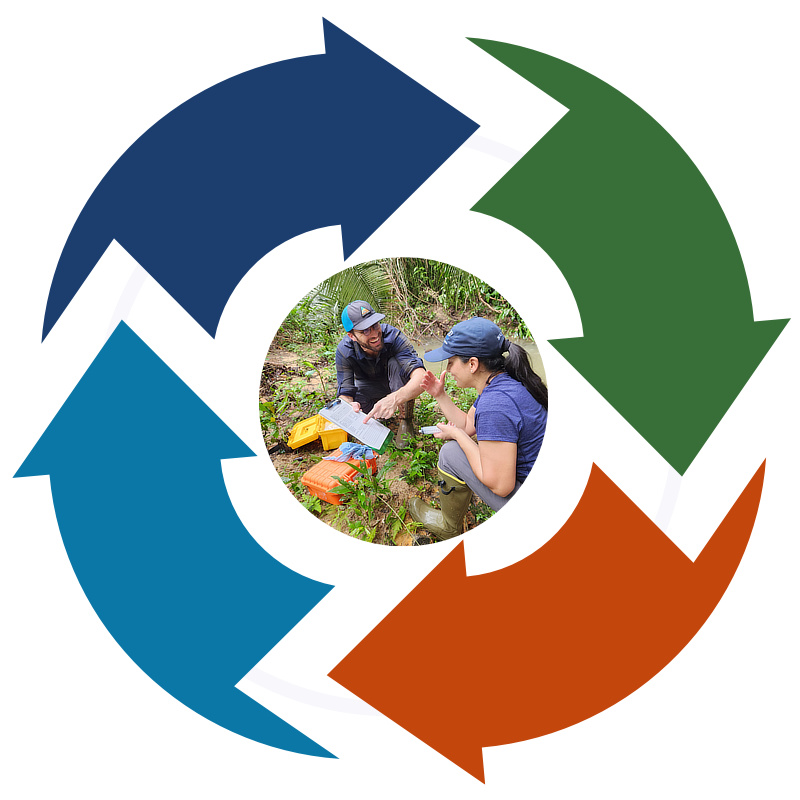
From Freshwater Science to Real-World Solutions
The Stroud Center integrates scientific discovery, watershed restoration, and long-term monitoring to generate practical solutions for freshwater protection.
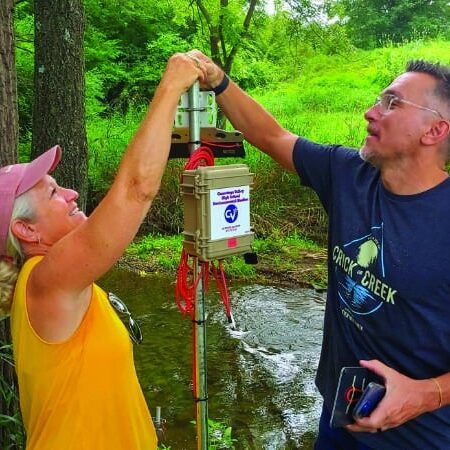
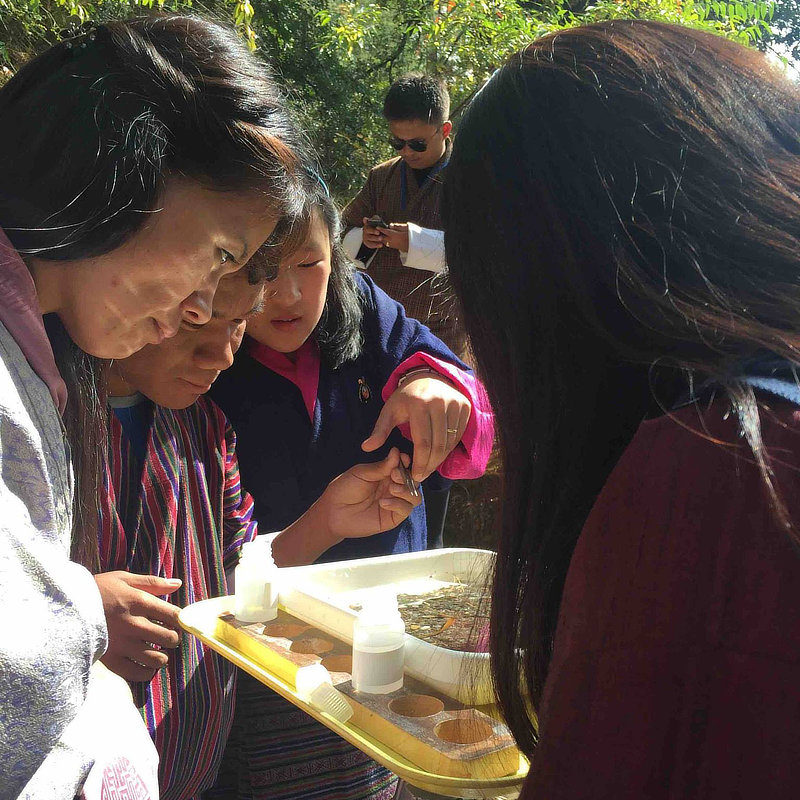
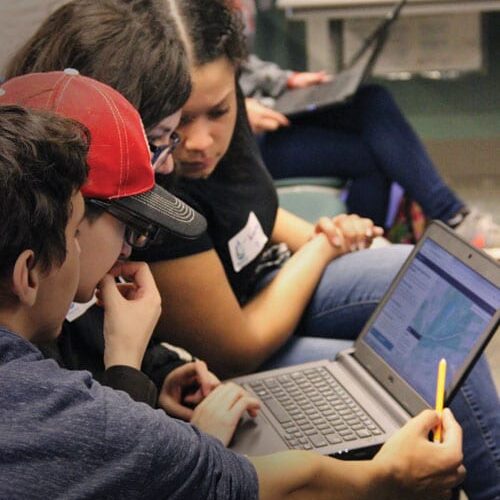
Expanding Access to Water Quality Monitoring
Globally, more than 3 billion people lack water quality data. Expanding access to monitoring tools helps communities protect their water and safeguard public health.
Get Involved
At the Stroud Center, we are both practical and optimistic, and we have seen change for the good. Join us in pursuing positive outcomes for the environment and people.
To discuss other ways in which you may support the Stroud Center, please email development@stroudcenter.org.
Latest Freshwater News

Deposition, benthic residence, and resuspension of fine organic particles in a mountain stream
Metaproteomic analysis of Chesapeake Bay microbial communities
Synthesis of 13C-labeled tracer for stream DOC: labeling tulip poplar carbon with 13CO2
Young organic matter as a source of carbon dioxide outgassing from Amazonian rivers

Amazon Source of 5-Year-Old River Breath

Upcoming Events
DelaWild: Celebrating Nature in the First State
October 10, 10:00 AM – 3:00 PM EDT2026 Joan and Dick Stroud Memorial Lecture
October 13, 6:00 PM – 8:00 PM EDTFall Salt Pollution Stream Snapshot
October 15 – October 18Overseasoned: Road Salt Pollution Awareness Event
October 19, 11:00 AM – 3:00 PM EDTStream and Buffer Ecology Workshop
October 20, 8:45 AM – 3:00 PM EDTTrain-the-Trainer Workshop: Salty Streams and Safer Streets
October 20, 9:00 AM – 3:30 PM EDT