A Watershed Approach to Education
Stroud Water Research Center’s education department interprets our scientists’ research. Our programs are multidisciplinary and oriented to a wide audience. We hope that through exposure to our programs and information, people will be motivated to become responsible stewards of freshwater resources.
Education Programs
Stroud Center educators have developed extensive resources for educating adults and students in grades 4 and up about watersheds and their importance. Choose from on-site, off-site, and virtual program options; program scholarships are available.
School and
Youth Programs
Scout
Programs
Community and
Family Programs
Professional Development
Quick Links
For program inquiries, please visit this page.
Subscribe to E-News
Join our e-newsletter list to receive updates about education programs, professional training opportunities, and virtual learning resources.
Education Resources
Online Courses

Curricula

Virtual Learning Resources

Macroinvertebrate Resources

Projects and Partnerships

Publications

Videos

Podcasts

WikiWatershed Toolkit
Globally, more than 3 billion people lack water quality data. Expanding access to monitoring tools helps communities protect their water and safeguard public health.
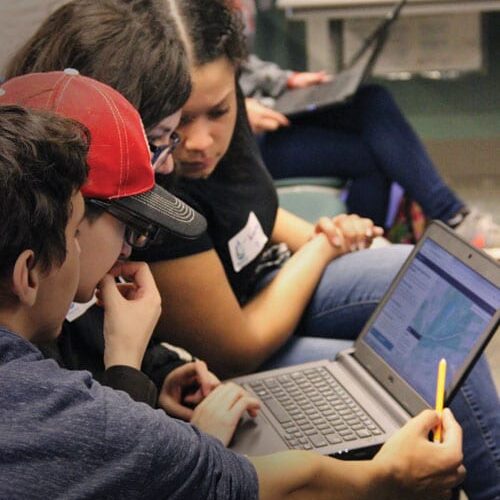
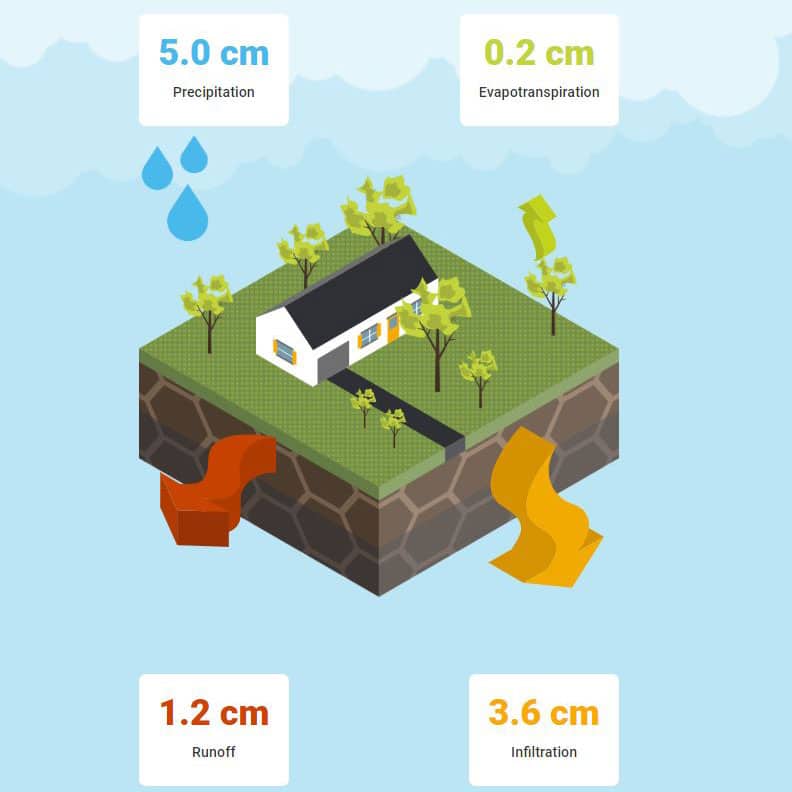
The WikiWatershed Toolkit helps citizens, conservation practitioners, municipal decision-makers, researchers, educators, and students advance knowledge and stewardship of fresh water.

Education Events
Education News

Scientific and educational aspects of water quality and stream health in Eastern Pennsylvania
Riparian BUFFers, making our riparian areas strong
Complexity of secondary scientific data sources and students’ argumentative discourse
Global learning communities: science classrooms without walls

Rain Barrel Project Teaches Stormwater Solutions
Design of an online global learning community: international collaboration of grades 7-9 science students

Education Program Impact and Feedback
Impact Reports
Read about our education program impacts, project highlights, awards and recognitions, and participant feedback in our annual impact reports.
“The students absolutely LOVED IT!!! All the staff were extremely engaging, enthusiastic, and competent, which made our jobs extremely easy! We loved how hands-on and engaging the entire activity was.”
“The facilitators were very knowledgeable. They challenged the kids and held their interest. As one of many field trips I have attended with my kids over the years, this by far tops my list.”
“Thanks again for an outstanding field trip. Your ability to accommodate my student with hearing and visual challenges was exemplary! I’ve heard many favorable comments from our staff!”
“Thank you for an amazing day at your facility! I am sure every member of our watershed steward class left knowing much more than they did when we entered. You guys were great!”
“Just had an AMAZING field trip there with the 4th grade…. Thanks so much for a great day! Super day, really! The educators are super. They are the perfect ‘speed’ for the kids.”