UpStream Newsletter
Like what you see? Subscribe to our monthly UpStream e-newsletter!
Stroud Water Research Center encourages the sharing of links to materials on our website. You may include an excerpt or summary on your website with a hyperlink to the original content on our website. Republishing content in its entirety is not allowed without express permission.
UpStream Archive
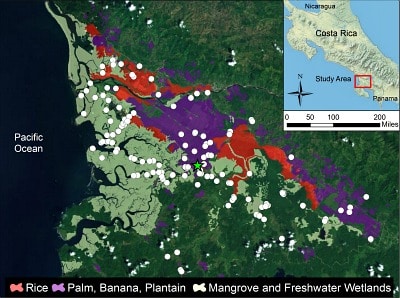
Gone Fishin’: Evaluating the Threat of Agricultural Contaminants in the Río Sierpe
Stroud Center scientists sampled the Río Sierpe and Grande de Terraba watersheds to identify contaminants as well as contaminated species that threaten humans who consume them.
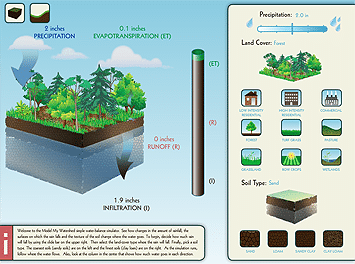
Model My Watershed® Reaches Students and Teachers
The web app has a dynamic, videogame-like interface that lets students see how modifying land use in their own neighborhoods can affect water quality.

UpStream Newsletter, Summer 2011
The difference between the organic materials that enter and leave a river system tells us how the river affects greenhouse gases.
Rivers Are Not Pipes
Third article in a series about an international team of scientists following the transformation of river-borne carbon from the sources of the Fly River in Papua New Guinea to its
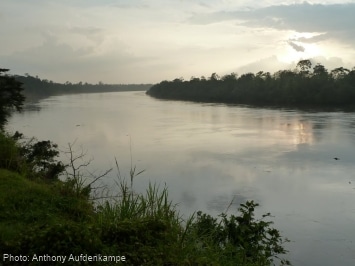
UpStream Newsletter, Spring 2011
Two weeks into their work in Papua New Guinea, Dr. Anthony Aufdenkampe and his colleagues had already surveyed more than 600 miles of remote jungle rivers.
Unearthing Buried Treasure in Papua New Guinea
Second article in a series about an international team of scientists following the transformation of river-borne carbon from the sources of the Fly River in Papua New Guinea to its
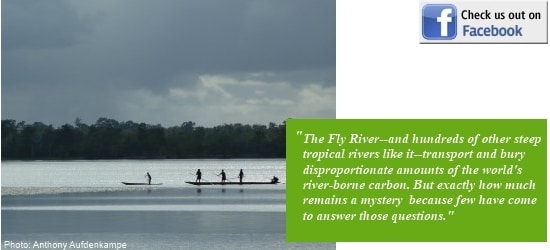
UpStream Newsletter, Winter 2011
Stroud Center scientists think Papua New Guinea might be more important in terms of carbon and sediment discharge than the entire Amazon River.
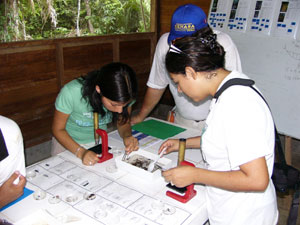
Expanding the Leaf Pack Network® to South and Central America
The goal is to create a conservation ethic that integrates ordinary people into the decision-making process by putting simple assessment tools into their hands.
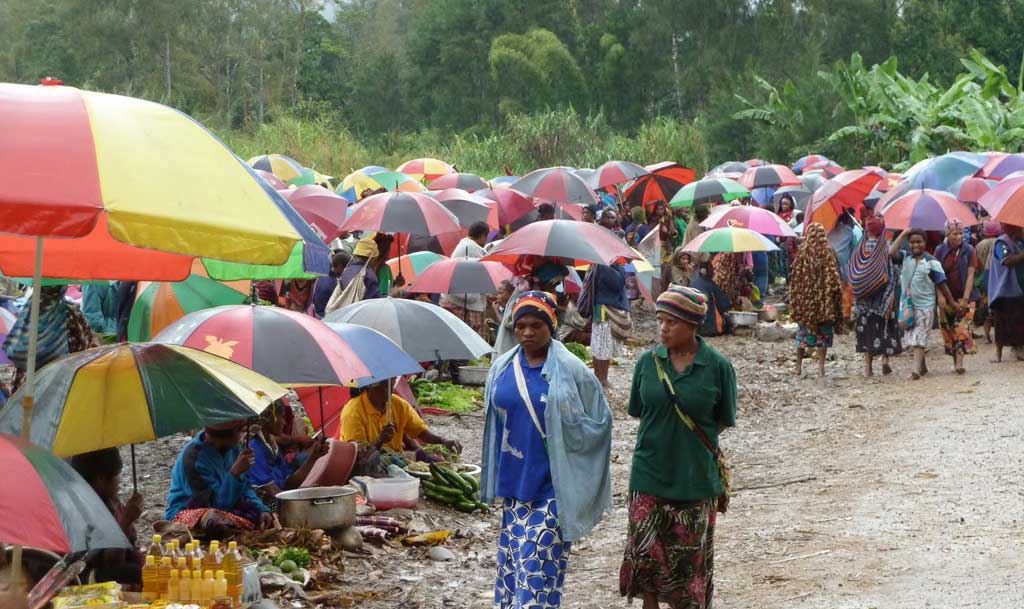
Pursuing Science Half a World Away: The Fly River in Papua New Guinea
First article in a series about an international team of scientists following the transformation of river-borne carbon from the sources of the Fly River in Papua New Guinea to its
UpStream Newsletter, Summer 2010
The Stroud Center has been recording daily, monthly, seasonal, annual — and even multiyear data — in Costa Rica to gain insights on climate change.
Studying Tropical Waters To Understand the Impacts of Climate Change
Recording data patterns will provide a climatic template that will help us to create a scalable model of what we might expect as our climate changes.
UpStream Newsletter, Spring 2010
Yellowstone Lake is the subject of exciting research by Jinjun Kan, the microbial ecologist who will join the Stroud Water Research Center in the spring.

Search UpStream