Macroinvertebrate Resources
What Are Benthic Macroinvertebrates?
Benthic macroinvertebrates are animals without a backbone, large enough to see with the naked eye, that live on the bottoms of streams, lakes, and rivers. They include crustaceans and worms, but most are aquatic insects.
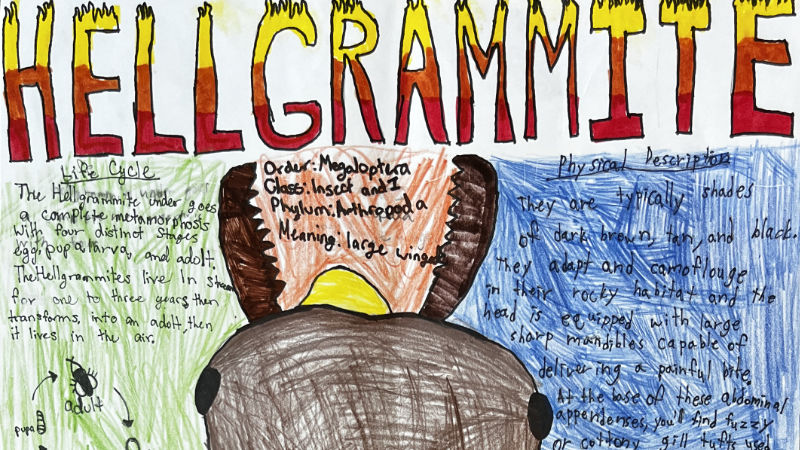
Beetles, caddisflies, stoneflies, mayflies, hellgrammites, dragonflies, true flies, and some moths are among the insect groups represented in streams. They are an essential link in the food web between the producers (e.g., leaves and algae) and higher consumers such as fish. Benthic macroinvertebrates are one of the most commonly used living water-quality indicators because:
- They are fairly easy to sample and identify.
- They are sensitive to pollution and habitat changes.
- They have a relatively long life cycle, so they indicate water quality over time.
- They are common in most streams or rivers.
Resources
Photo Gallery
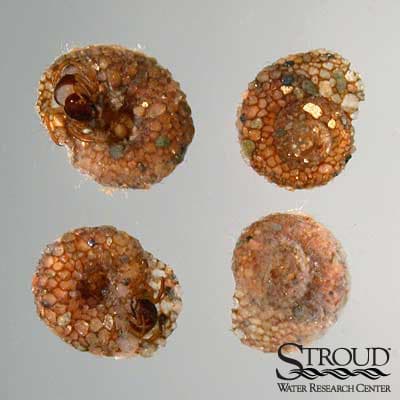
View more than 50 macroinvertebrate photos by Stroud Water Research Center entomologist Dave Funk.
Discovery Tank
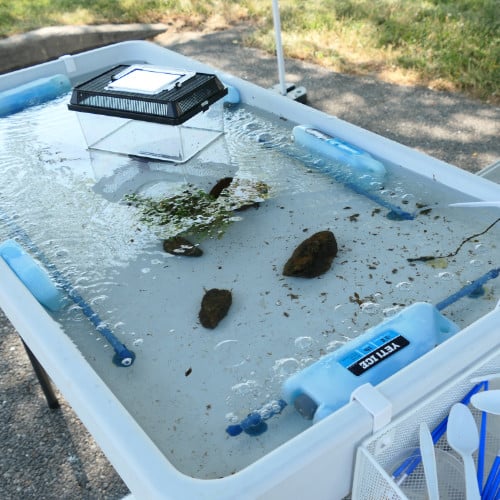
Not everyone can access a stream to learn about aquatic life, but a discovery tank can bring the stream to them!
Care Guide
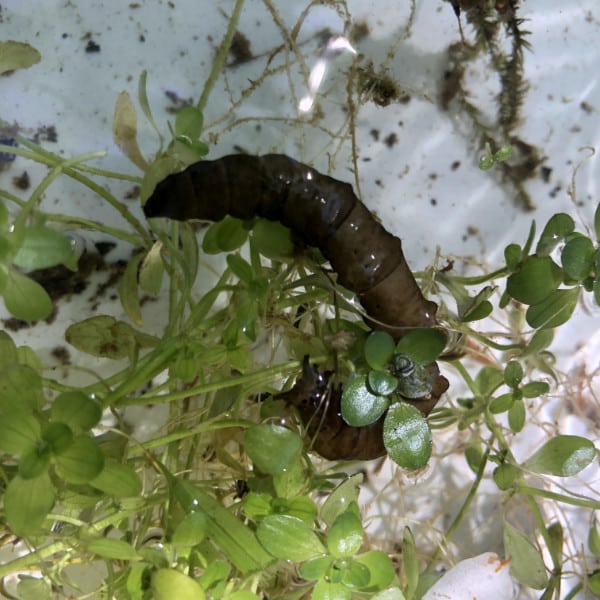
Conduct better stream investigations following best practices for safety and stream and macroinvertebrate care.
Leaf Pack Network
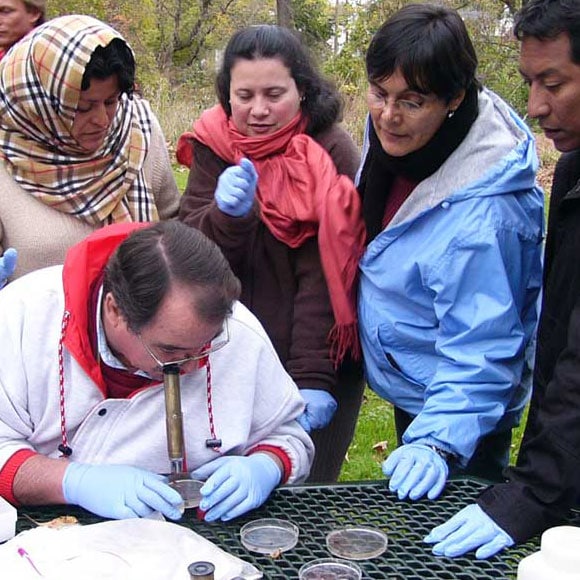
Learn about a simple experiment that uses tree leaves and aquatic macroinvertebrates to determine the health of your local stream.
Rock Pack Experiment
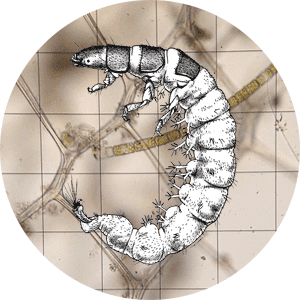
The Rock Pack Experiment combines STEM topics in stream ecosystems through the world of the net-spinning caddisfly.
Monitor My Watershed
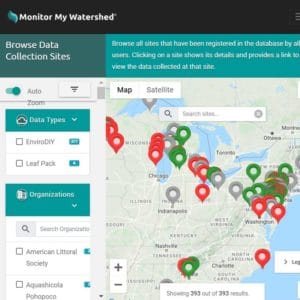
View macroinvertebrate data from the Leaf Pack Network and Rock Pack Experiment. Help resources are available here.
Learning to See, Seeing to Learn
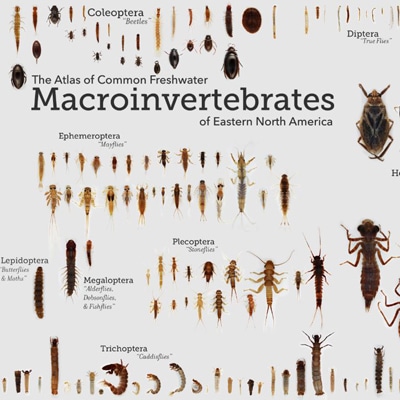
Explore this resource for aquatic insect identification to support community science identification activities.
Water Quality Mobile App
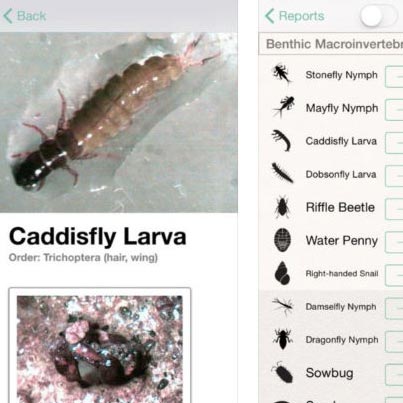
Log and share field data and interpret it through learning pop-ups. Available for Apple devices.
3D Printable Macros
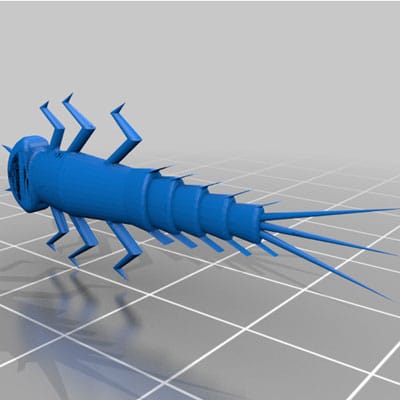
Download designs created by Stroud Water Research Center in collaboration with Unionville-Chadds Ford School District.
Stream Bug Fundanas
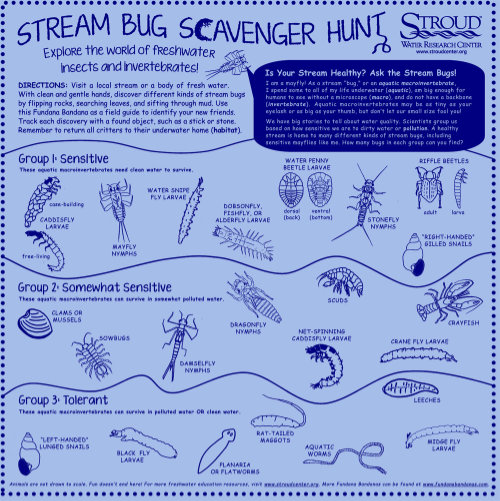
Buy a hands-on outdoor learning tool to explore freshwater insects. Available in English and Spanish!
Taxonomic Certification Program
The Society for Freshwater Science Taxonomic Certification Program was developed in response to requests from several state and federal government agencies involved in environmental regulation and monitoring, as well as by individuals involved in both basic and applied scientific research. Successful completion of the taxonomic certification process results in a certificate of proficiency in taxonomic identification.
Recommended Guide Books
Check your local library; these books are also available for purchase from online booksellers.
- McCafferty, W. P. 1981. Aquatic entomology: the fishermen’s guide and ecologists’ illustrated guide to insects and their relatives. Jones and Bartlett Publishing Company, Boston, Massachusetts.
- Voshell, J. Reese. 2002. A guide to common freshwater invertebrates of North America. The McDonald & Woodward Publishing Company, Blacksburg, Virginia.
Stream Sampling Protocols and Fact Sheets
- Aquatic Invasive Species in Pennsylvania
- Didymo Fact Sheet
- EPA Volunteer Stream Monitoring: A Methods Manual
- EPA Rapid Bioassessment Protocols for Use in Streams and Wadeable Rivers
Stream Sampling License and Permit Information
Those working outside Pennsylvania should consult with the appropriate state agency for permit requirements.
Pennsylvania law requires anyone 16 years of age or older collecting aquatic organisms for any reason to have a valid fishing license and follow current Pennsylvania Fish & Boat Commission regulations. High school and undergraduate college students are exempt from the license requirement if their teacher/educator applies for and is issued an Educational Aquatic Field Study Permit.
For more information, visit the Pennsylvania Fish & Boat Commission website.
Macroinvertebrate News
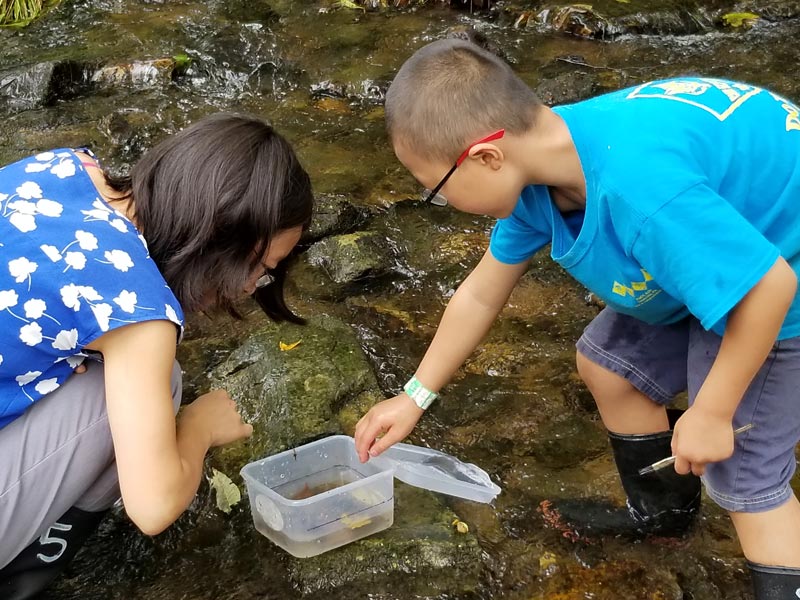
Plan a Better Stream Investigation
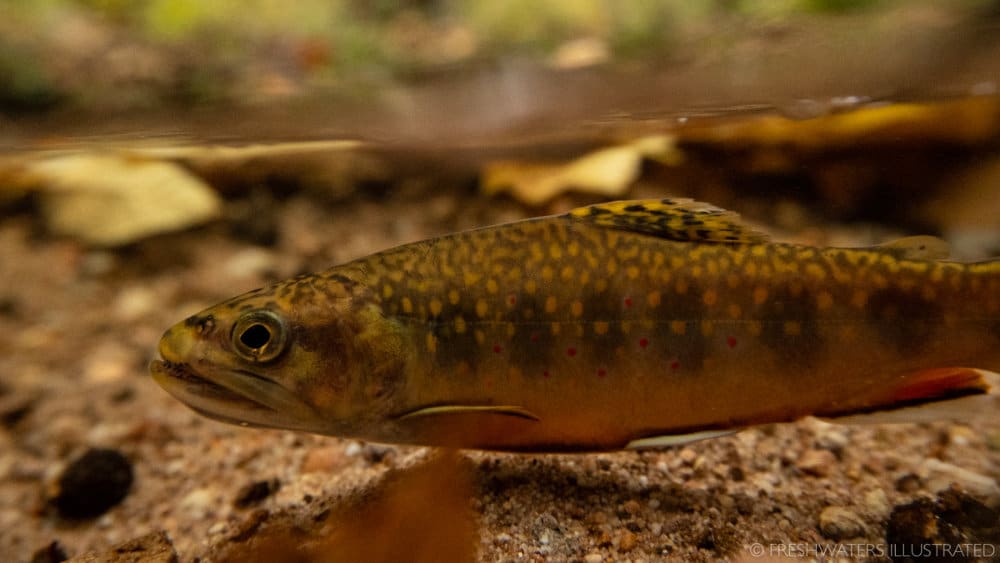
Too Hot to Handle: How Rising Temperatures Impact Streams
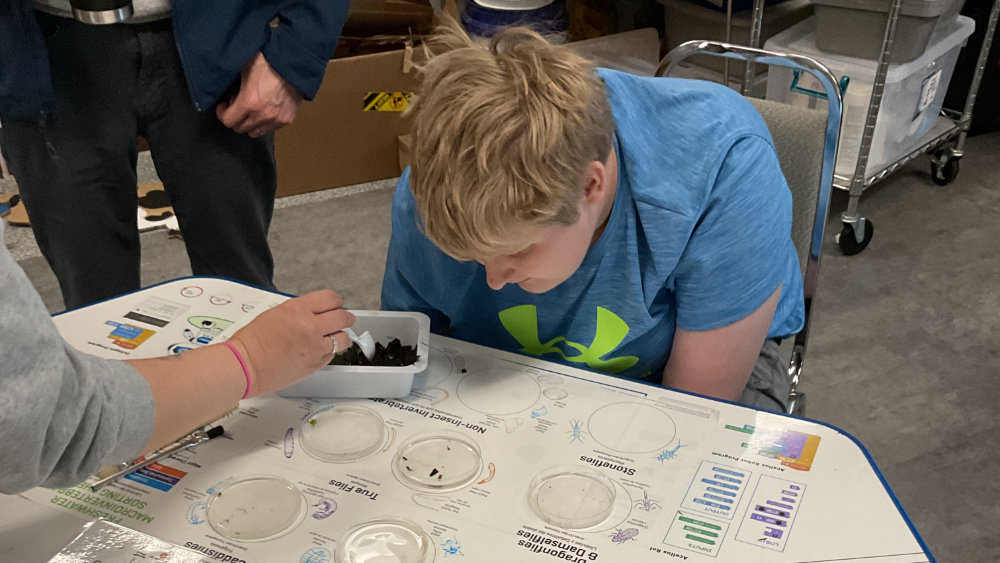
Using Leaf Packs to Increase Access to Environmental Learning Experiences
Building Freshwater Stewardship in Costa Rica and Belize
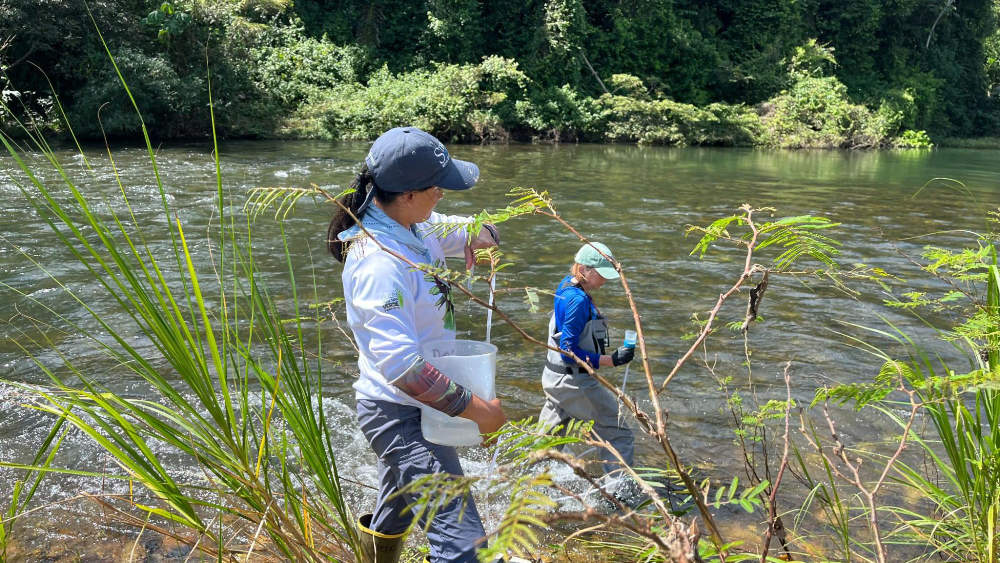
Stewardship Supports Biodiversity in Belize, Survey Finds