
Media Contact

Annual Reports and History Books

Press Releases

Media Coverage

UpStream Newsletter

Awards

Latest News
Get freshwater news in your inbox! Subscribe to UpStream Newsletter.
Republishing Stroud Water Research Center content in its entirety is not allowed without express permission.
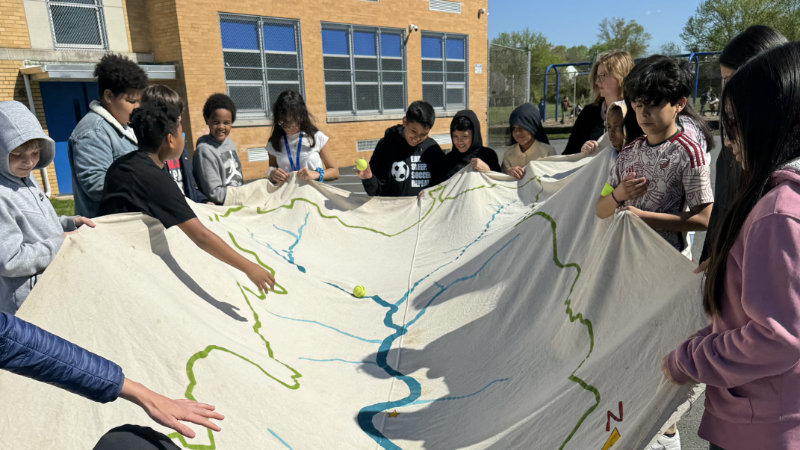
Building Environmental Literacy Through Watershed Education
See how the Stroud Center turns freshwater research into place-based education through partnerships that build environmental literacy and stewardship.
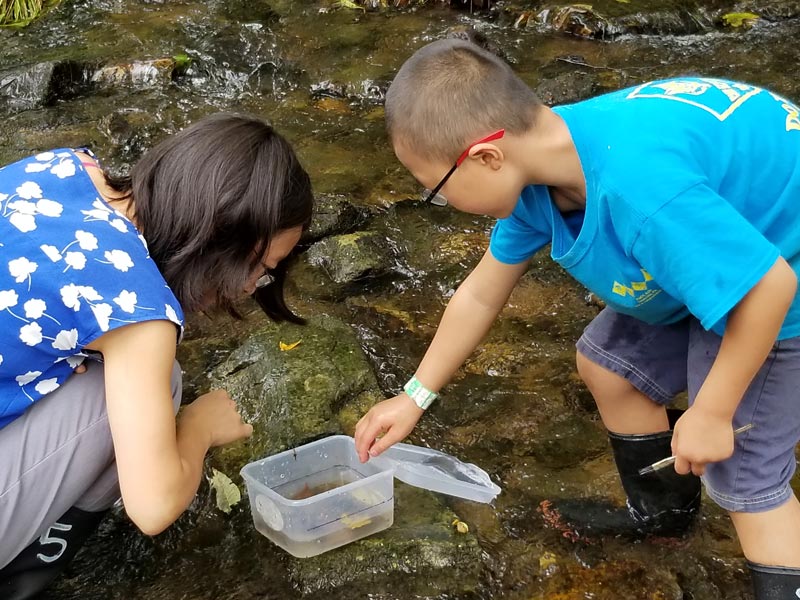
Plan a Better Stream Investigation
Use our guide to help make every trip to the stream safe for participants, respectful of the ecosystem, and rewarding for everyone involved.

Growth, transport, and recruitment of phytoplankton in a mid-order river
Peipoch, M., M. Daniels, and S.H. Ensign. 2026. Ecosphere 17(9): e70741.
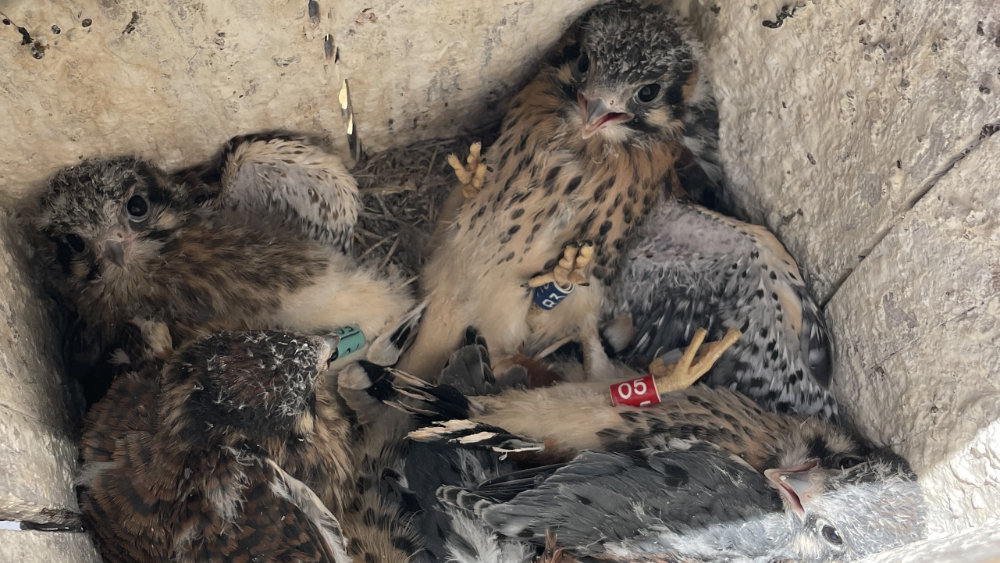
Connecting the Kittatinny to the Chesapeake: An Update
With the Stroud Center, Hawk Mountain Sanctuary is extending the reach of its Pennsylvania Farmland Raptor Project into the Chesapeake Bay watershed.
Dams and their legacies shape biogeochemical evolution of riparian sediments
Moore, E.R., M.M. Rahman, M. Sena, J.G. Galella, B. Joshi, A.Yaculak, M. Peipoch, J. Kan, and S. Inamdar. 2026. Earth’s Future 14(9): e2025EF006892.
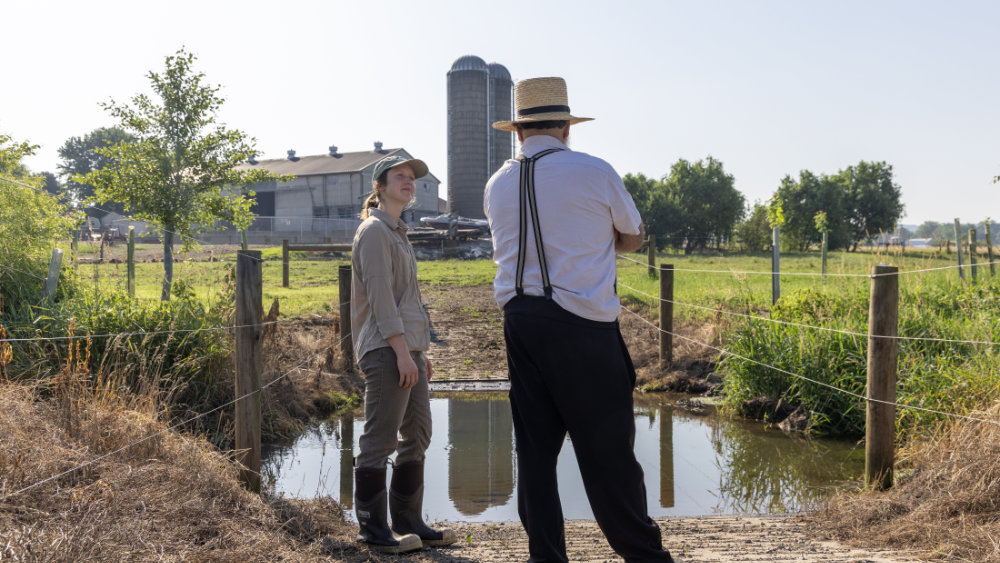
A Small Watershed’s Great Big Lesson for All of Us
What can one small watershed teach us? A lesson on restoration, resilience, and how shared stewardship creates lasting change.
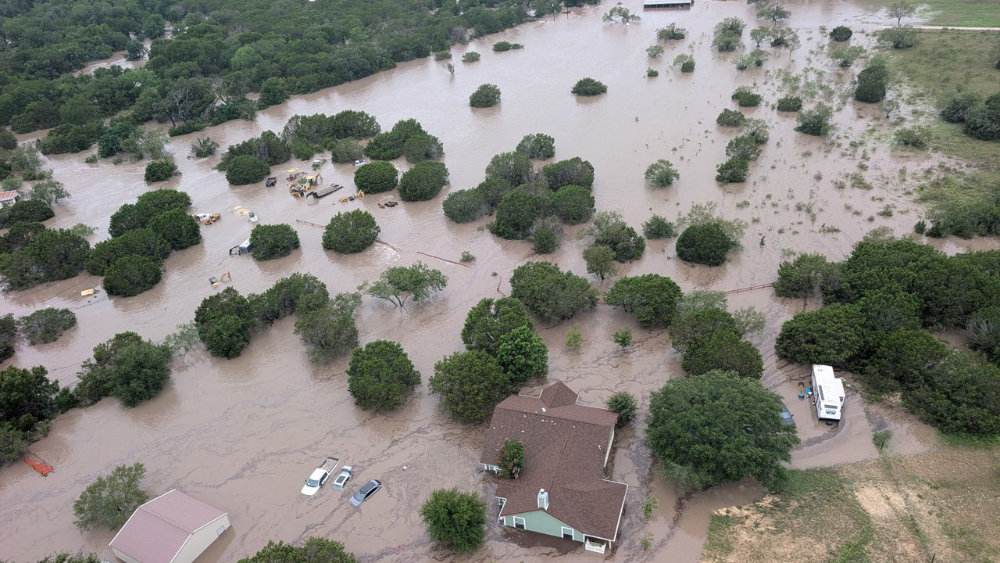
Tools Behind the Science Part 2: An Open Source Modeling Tool
Researchers use Model My Watershed to better understand how rivers across Texas once flowed and how they might flow again.
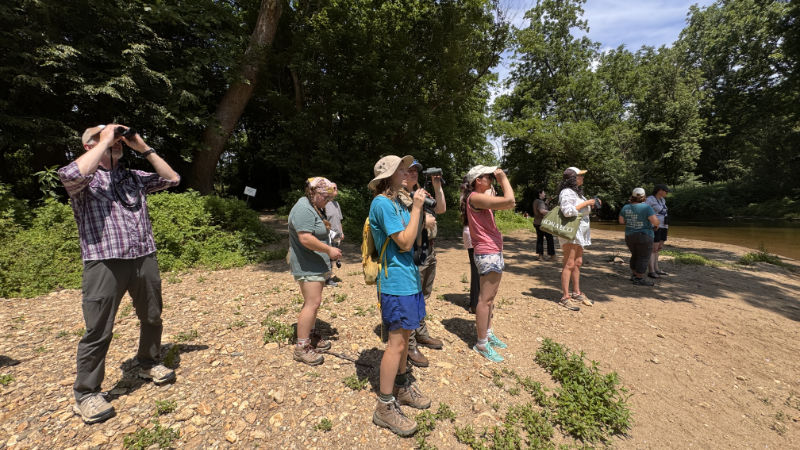
PA Educators Learn to Bring Watershed Science to Life
Stroud Water Research Center’s Outdoor Teaching and Learning Camp taught educators how to guide students toward environmental stewardship.
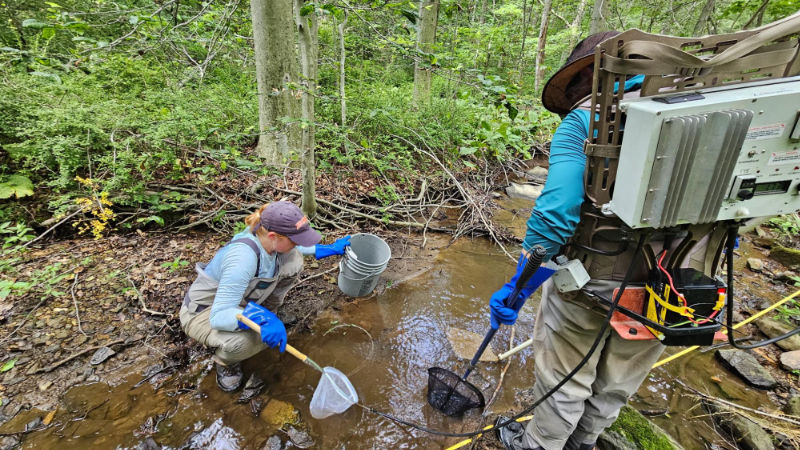
Hot Science Summer: A Stroud Center Photo Album
The hottest thing this summer? Freshwater science. Browse photos of research, education, restoration, and … basketball?
