
PFAS: Understanding the Threat to Water Quality
What Are PFAS?
Per- and polyfluoroalkyl substances (PFAS) are a group of human-made chemicals used in a wide range of products for their resistance to heat, water, and oil. These “forever chemicals” do not break down easily in the environment or in our bodies, leading to widespread contamination concerns.
PFAS have been used in everything from nonstick cookware and water-repellent clothing to firefighting foams and cosmetics. Unfortunately, their persistence means they can accumulate in soil, water, wildlife, and people, raising serious health and environmental questions.


Credits: Krzysztof Puszczyski, CC0, via Freerange Stock; CC0 image via Rawpixel; CC0 image via Freerange Stock; Don Lindsey, public domain, via Flickr.
PFAS and the Environment
Once released, PFAS can travel long distances through air and water. They have been detected in surface water and groundwater all around the world — from the deepest reaches of the ocean to both of Earth’s poles. Commonly called forever chemicals, PFAS are difficult to break down and last a long time in the environment.
Our PFAS Research
At Stroud Water Research Center, we are committed to understanding how PFAS impact freshwater systems, especially through agricultural and municipal practices that may unknowingly contribute to contamination. Our research focuses on how PFAS enter soils and surface waters, how long they persist, and what we can do to mitigate the risks.
Featured Articles and Publications

These Contaminants Are Reaching Our Surface Water
A look into the evidence showing that PFAS are already impacting local water sources.

PFAS Explained: What They Are and Why They Matter
An accessible overview of PFAS chemistry, sources, and known health risks.
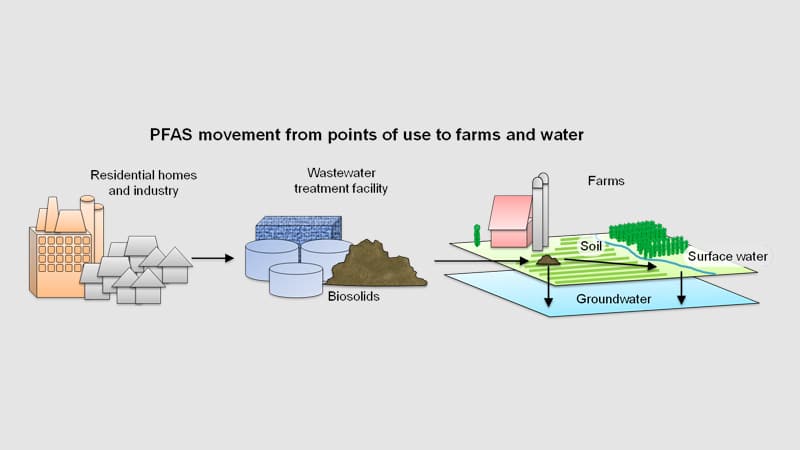
Treated Sewage Sludge May Be a Pathway for PFAS Contamination
A research-backed exploration of how applying treated sewage sludge, also called biosolids, to agricultural fields can introduce PFAS into ecosystems.
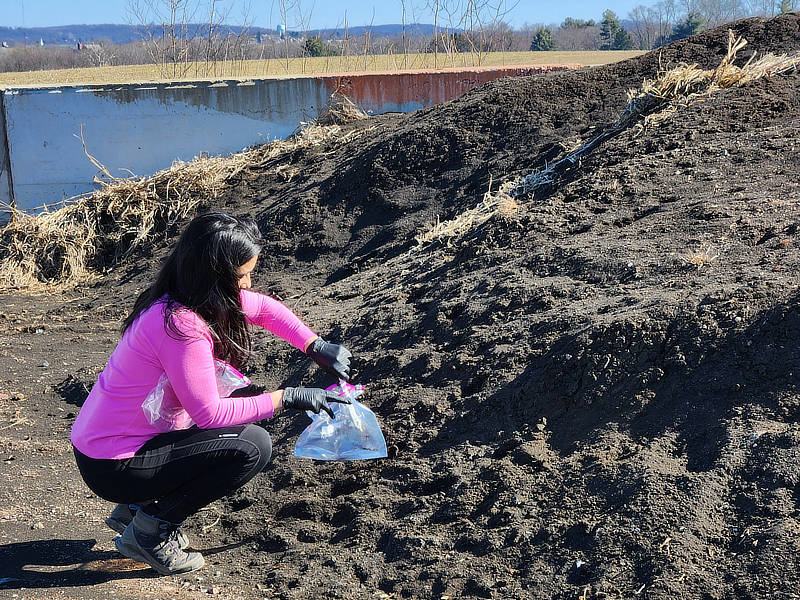
Quantification of PFAS in Soils Treated With Biosolids in Ten Northeastern U.S. Farms
A peer-reviewed publication of a study that showed significantly higher concentrations of PFAS in biosolids-treated soils compared to controls.
Our Commitment
Stroud Water Research Center is committed to advancing scientific understanding and promoting best practices to safeguard water quality. As awareness of PFAS grows, so too does our focus on helping communities, farmers, and policymakers make informed decisions grounded in science.
Want to stay informed about PFAS and our other water quality research initiatives? Subscribe to our newsletter.