Since 1967, Stroud Water Research Center has focused on one thing — fresh water.
We advance knowledge and stewardship of freshwater systems through global research, education, and watershed restoration.
What We Do

Support Our Work
Latest News
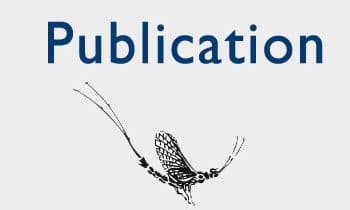
Bioenergetic and developmental response of a mayfly to thermal variation
A diurnally fluctuating thermal system for studying the effect of temperature on aquatic organisms

Featured Initiatives and Partnerships
WikiWatershed® web tools offer watershed data visualization, geospatial analysis capabilities, and science-based predictions of human impacts on stormwater runoff and water quality.
The Water Quality mobile app is a water-monitoring data-collection and learning tool designed for use by educators and their students, citizen scientists, and researchers.
EnviroDIY™ is a community where members ask and answer questions and network within interest groups to develop do-it-yourself environmental science and monitoring devices.
The Society for Freshwater Science Taxonomic Certification Program ensures skilled persons are providing aquatic invertebrate identifications in North America.
The Leaf Pack Network® is an international network of teachers, students, and citizen monitors using a simple experiment to determine the health of their local streams.
The Consortium for Scientific Assistance to Watersheds provides free technical assistance to Pennsylvania-based watershed and conservation organizations.
Upcoming Events
Oregon Dairy Volunteer Day
May 11, 9:00 AM – 12:00 PM EDTWillowdale Steeplechase
May 11, 10:00 AM – 5:30 PM EDT2024 Joan and Dick Stroud Memorial Lecture
May 15, 6:00 PM – 8:00 PM EDTTaxonomic Certification Opportunity in North Carolina
May 16Virtual Silent Auction Fore Fresh Water
May 17 – May 21Fore Fresh Water Golf Invitational
May 20, 11:30 AM – 5:30 PM EDT