Stroud Water Research Center produces the trusted science needed for successful stream and river conservation while fostering people’s passion for the water in their lives.
What We Do
Freshwater Research

Environmental Education
Watershed Restoration

From Freshwater Science to Real-World Solutions
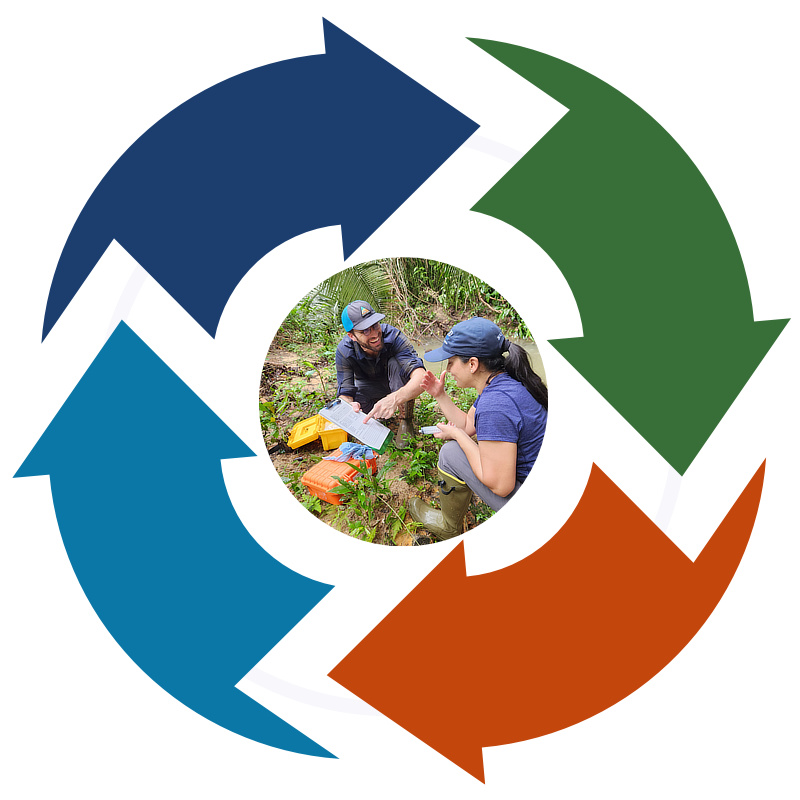
The Stroud Center integrates scientific discovery, watershed restoration, and long-term monitoring to generate practical solutions for freshwater protection.
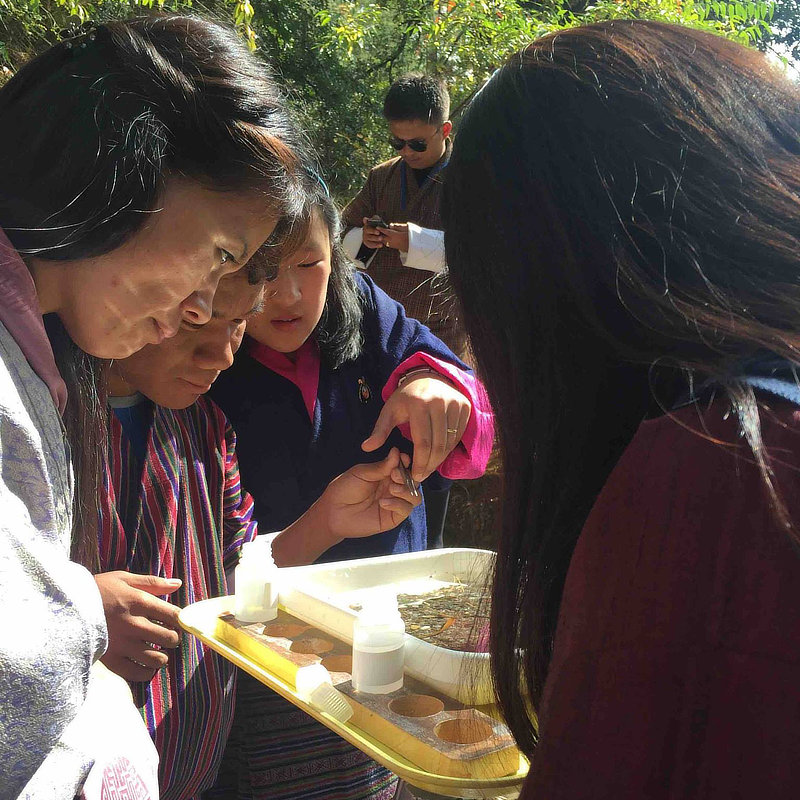
Expanding Access to Water Quality Monitoring
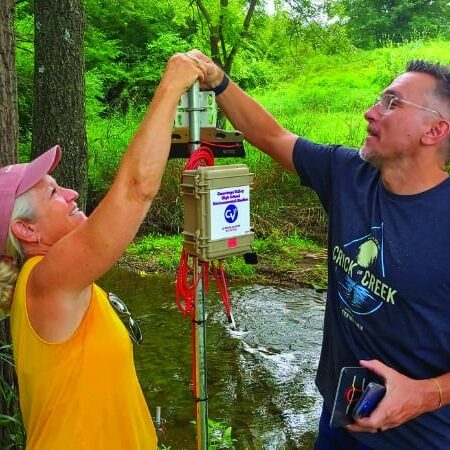
Globally, more than 3 billion people lack water quality data. Expanding access to monitoring tools helps communities protect their water and safeguard public health.

Get Involved
At the Stroud Center, we are both practical and optimistic, and we have seen change for the good. Join us in pursuing positive outcomes for the environment and people.
To discuss other ways in which you may support the Stroud Center, please email development@stroudcenter.org.
Latest Freshwater News

Growth, transport, and recruitment of phytoplankton in a mid-order river
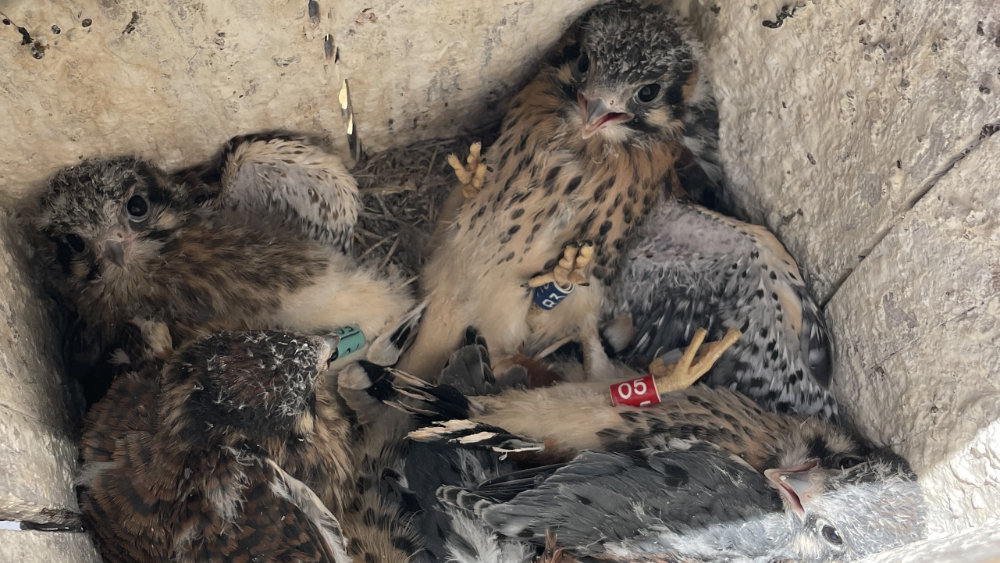
Connecting the Kittatinny to the Chesapeake: An Update
Dams and their legacies shape biogeochemical evolution of riparian sediments
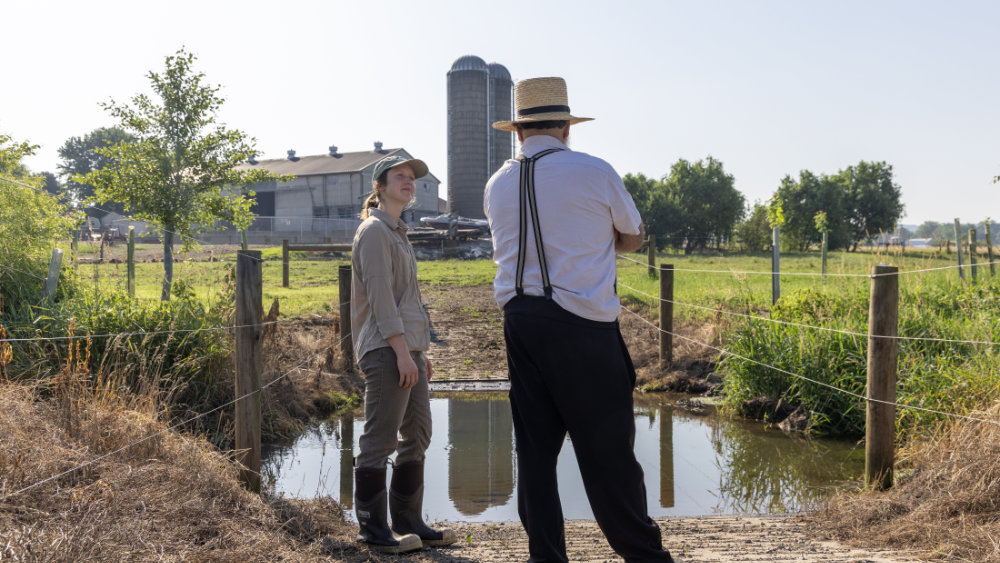
A Small Watershed’s Great Big Lesson for All of Us
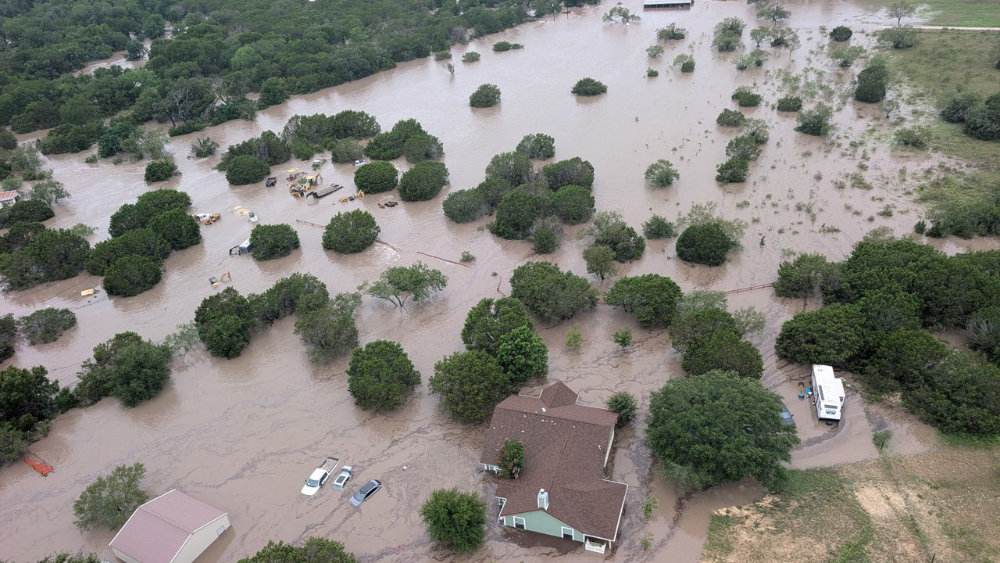
Tools Behind the Science Part 2: An Open Source Modeling Tool
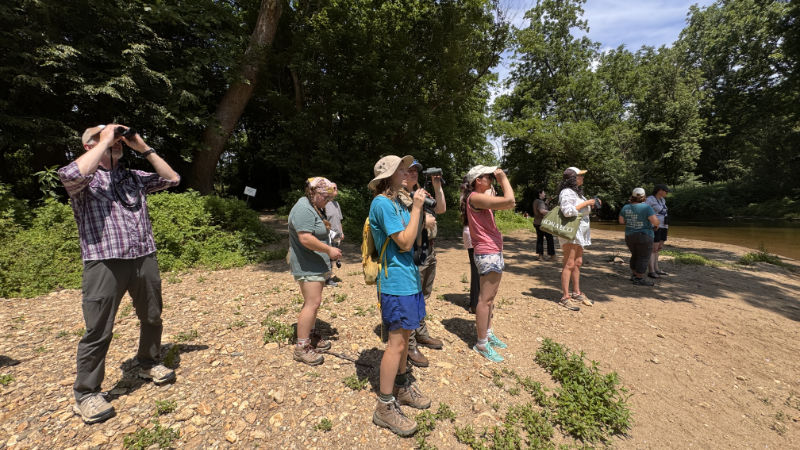
PA Educators Learn to Bring Watershed Science to Life

Upcoming Events
Junior Ranger Angler Events
June 7 – September 202026 Joan and Dick Stroud Memorial Lecture
October 13, 6:00 PM – 8:00 PM EDTFall Salt Pollution Stream Snapshot
October 15 – October 18Overseasoned: Road Salt Pollution Awareness Event
October 19, 11:00 AM – 3:00 PM EDTStream and Buffer Ecology Workshop
October 20, 8:45 AM – 3:00 PM EDTTrain-the-Trainer Workshop: Salty Streams and Safer Streets
October 20, 9:00 AM – 3:30 PM EDT