Ruth Patrick: Pioneer of Freshwater Science
A Vision That Sparked a Movement
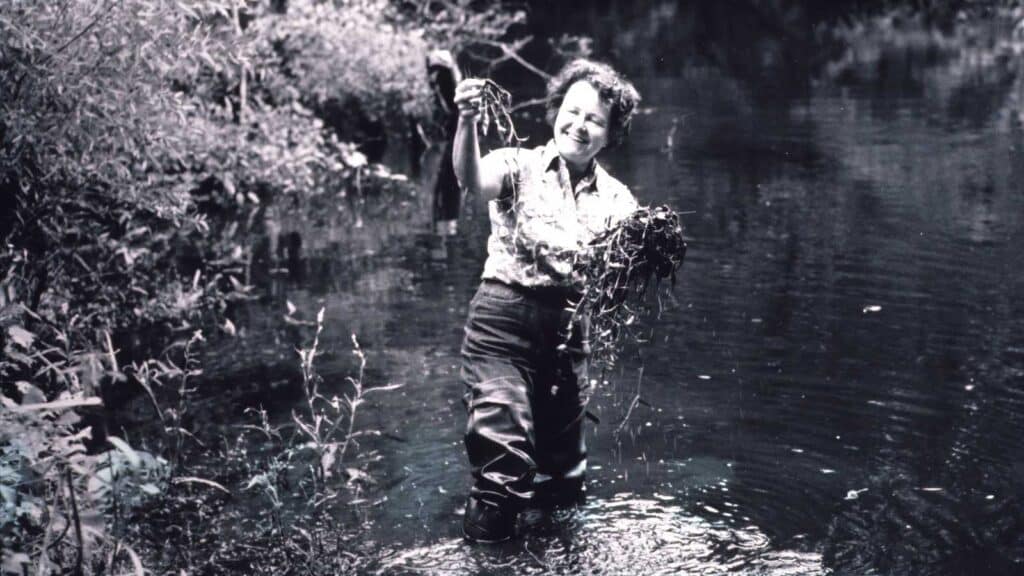
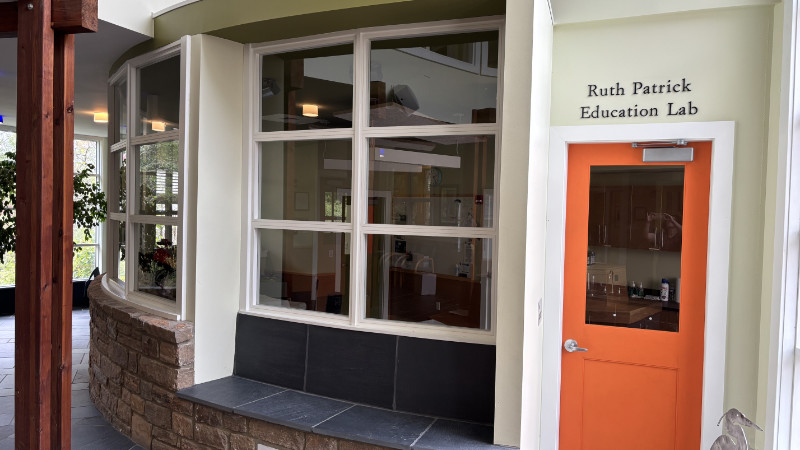
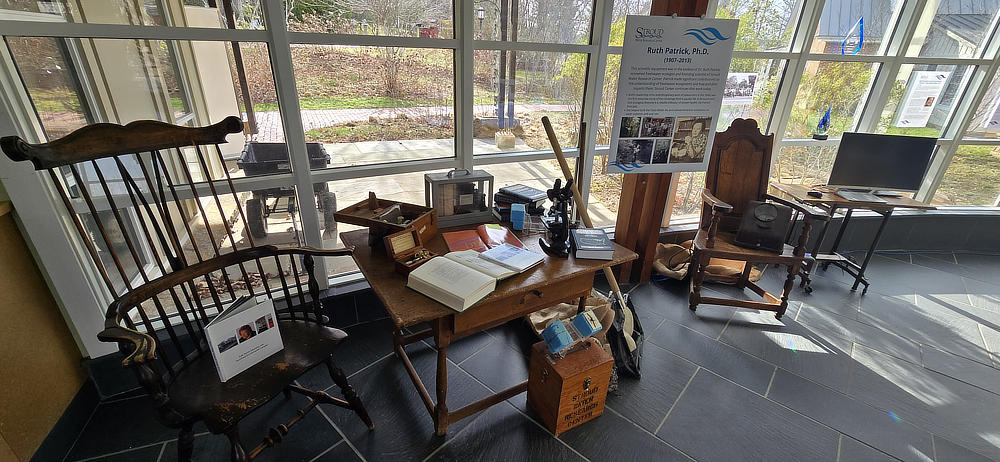
Ruth Myrtle Patrick, Ph.D. (1907–2013), a distinguished botanist and limnologist, revolutionized environmental science. In 1948, she combined biodiversity and chemical analysis in the Conestoga River study, which laid the foundation for modern freshwater assessment methods.
To this day, looking at biological diversity is the best way scientists have to evaluate water quality, a model now called the Patrick Principle.
Building Stroud Water Research Center
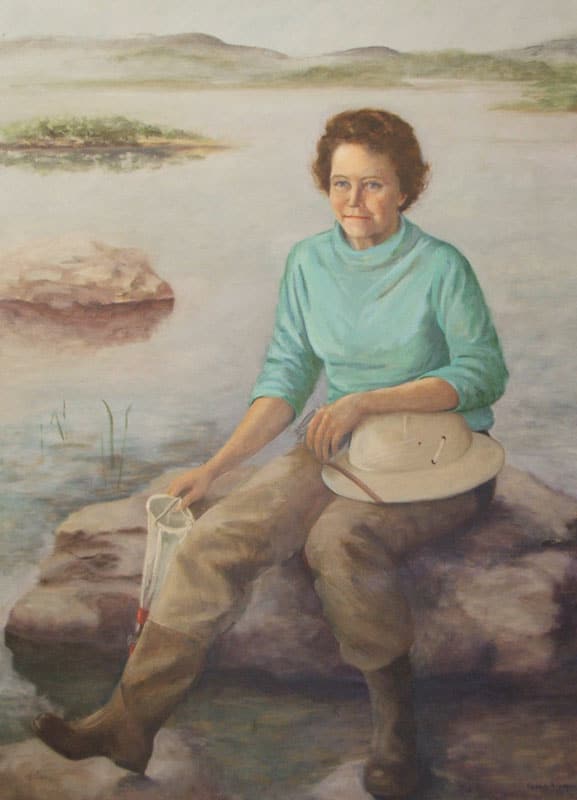
The fateful idea for what would become Stroud Water Research Center was Patrick’s. In 1967, she partnered with the Stroud family and the Academy of Natural Sciences in Philadelphia to bring this vision to life, starting as a modest field station and eventually growing into a world-class independent research institution.
A Lifetime of Scientific Excellence
Patrick wrote over 200 publications, invented the diatometer to better sample aquatic biodiversity, and advocated for science-based environmental policy.
Her work informed the Clean Water Act and led her to advise Presidents Johnson and Reagan on pollution and acid rain. She earned top honors including the National Medal of Science.
Her Legacy Lives on at the Stroud Center
Today, the Stroud Center breathes new life into Patrick’s rigorous, multidisciplinary study of freshwater systems. With research spanning from local streams like White Clay Creek to global field sites, such as the tropical watersheds of Costa Rica, the Stroud Center’s impact would surely have made her proud, as we continue to advance ecological understanding and restoration worldwide.
Why Ruth Patrick’s Vision Still Matters
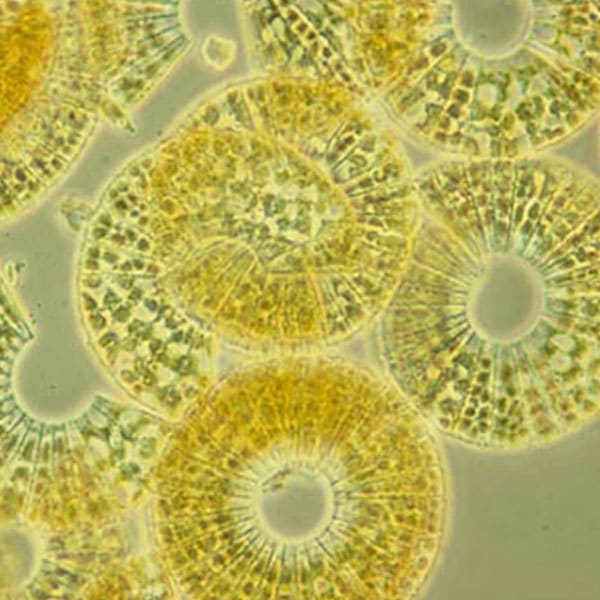
- Science-Driven Stewardship: Patrick’s emphasis on using biodiversity as an indicator of ecosystem health remains central to the Stroud Center’s research philosophy.
- Driving Innovation: From the diatometer to modern environmental DNA techniques, the Stroud Center continues to build on her legacy of inventive, field-forward science.
- Real-World Impact: Her collaborative style — working with government, industry, and academia — set the stage for translating research into water policies that protect communities and ecosystems.
Join Us in Honoring Her Legacy
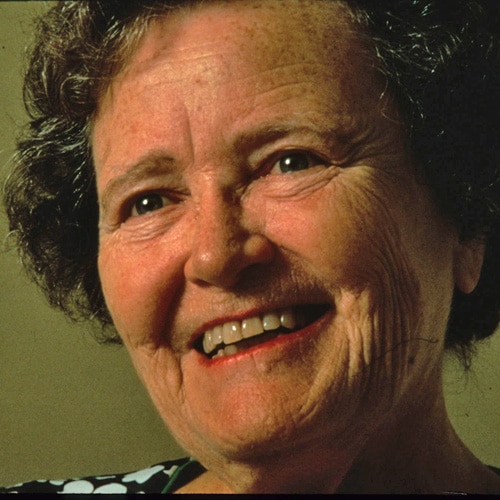
Patrick dedicated her life to protecting fresh water. Building on her legacy of rigorous, multidisciplinary study of freshwater systems, your donation helps us:
- Train the next generation of aquatic scientists.
- Advance cutting-edge restoration and monitoring research.
- Safeguard clean water resources for generations to come through scientific advancement and on-the-ground projects to restore freshwater ecosystems to health.
Donate today and continue Ruth Patrick’s work.