
Stroud Center’s Monitoring Supports Safer Drinking Water in Wilmington, Delaware
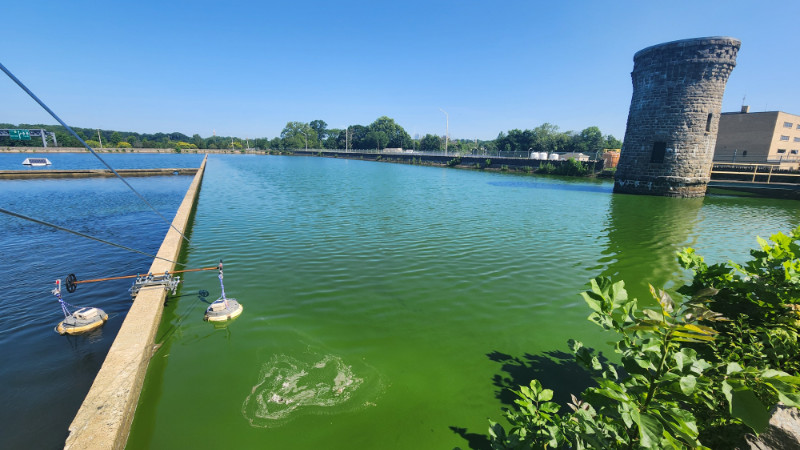
A Reservoir on Alert
Every day, Wilmington’s drinking water reservoir reveals clues about its health: spikes in temperature, shifts in oxygen, and the microscopic algae drifting through its waters.
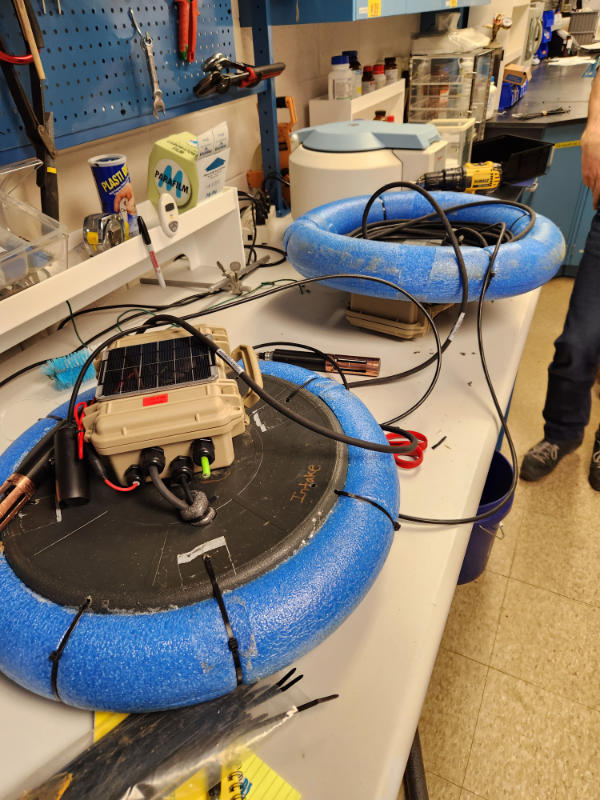
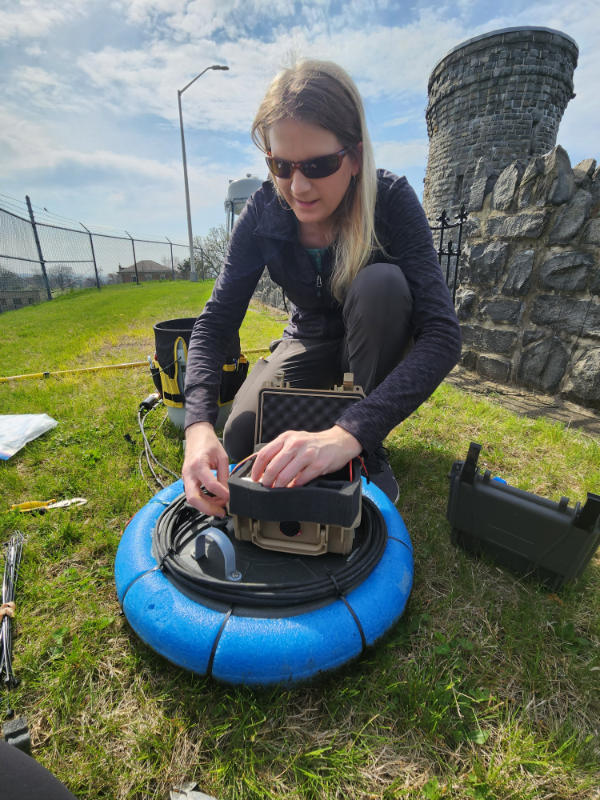
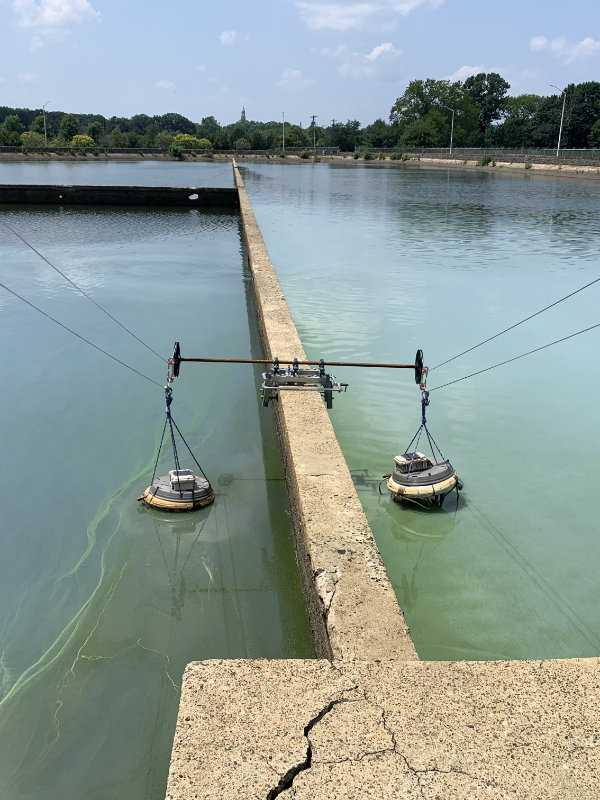
For the past four years, the Stroud Center has captured these signals with continuous monitoring at the reservoir’s inlet and outlet, streaming real-time data to the city’s treatment facility. Forecasting models warn operators when conditions are ripe for an algal surge, helping them act before a bloom threatens the drinking water supply.
Monitoring That Changed the City’s Priorities
This long-term record has exposed a clear and troubling trend: algal blooms are increasing in both frequency and intensity. What began as a seasonal nuisance has become a growing, year-round risk. Because of this evidence, harmful algal blooms (HABs) are now recognized by the city as one of the top concerns for Wilmington’s drinking water. Without monitoring, this shift might have gone unnoticed; with it, the city has clarity and urgency.
These emerging blooms aren’t just a biological issue; they’re a financial one. HABs not only threaten public health but also cost water suppliers a great deal of money to remove and make water safe to drink again. When blooms intensify, treatment processes become longer, more complex, and more expensive — placing additional strain on both utilities and ratepayers.
Why This Reservoir Is Vulnerable
The reservoir draws water from three sources, and once inside, the water usually remains for about two days. In summer heat, that short retention time is long enough for algae to multiply rapidly. A green tint on Monday can become a full bloom by midweek. Continuous monitoring ensures the city doesn’t have to rely on guesswork.
What Drives These Blooms
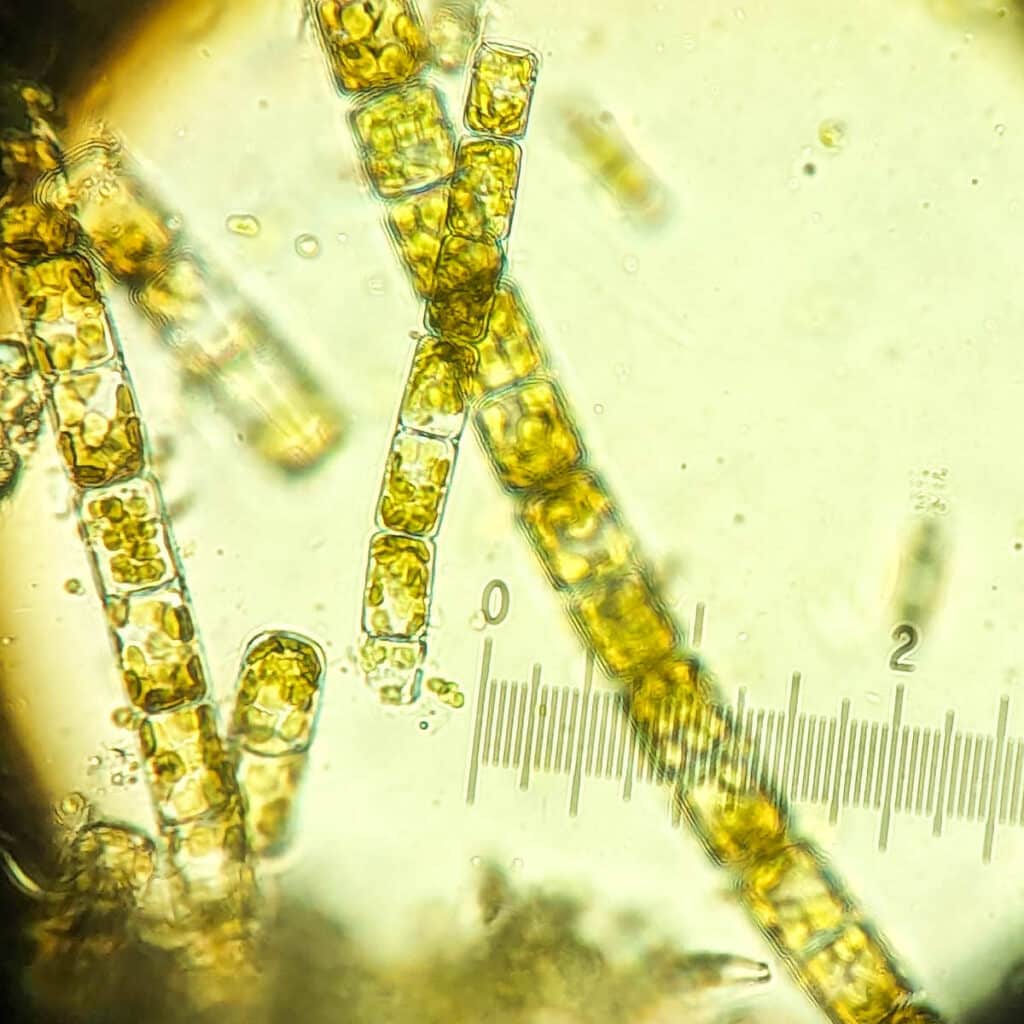
Algae are essential members of freshwater ecosystems, converting sunlight into energy that fuels aquatic food webs. But when nutrient pollution from farms, lawns, and city streets enters waterways — and when warming temperatures amplify their growth — these organisms can turn dangerous.
Green algae, in particular, thrive under high nutrient conditions, spreading quickly and transforming water the color of a dollar bill. Unlike currency, this “green” extracts a cost from ecosystems and communities.
A Partnership Aimed at Prevention
With live data and predictive tools, Wilmington’s treatment operators can switch water sources, adjust operations, or deploy targeted treatments before a bloom becomes hazardous. By revealing the escalating scale of the problem and guiding real-time response, the Stroud Center’s monitoring program has become central to how the city manages and protects its drinking water.
Together, the Stroud Center and the city of Wilmington are confronting a growing environmental challenge that’s critical to public health.