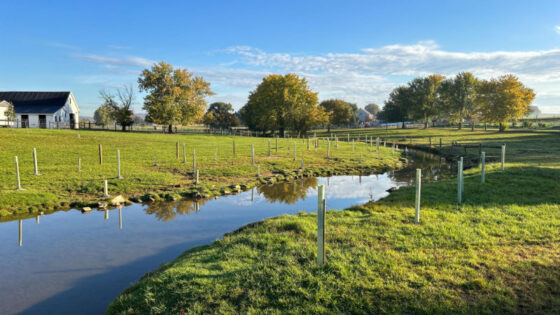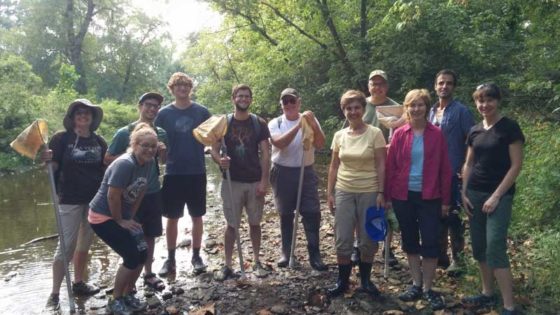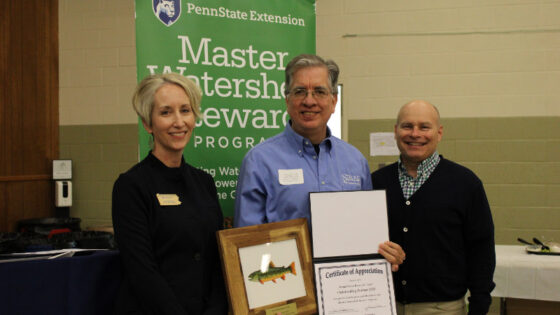
A community creek monitoring event in Rose Valley, Pennsylvania, recently revealed one of the highest densities of invasive New Zealand mud snails ever observed in the region. The discovery was made during a 2024 Leaf Pack Network program led by Stroud Water Research Center staff and volunteers.
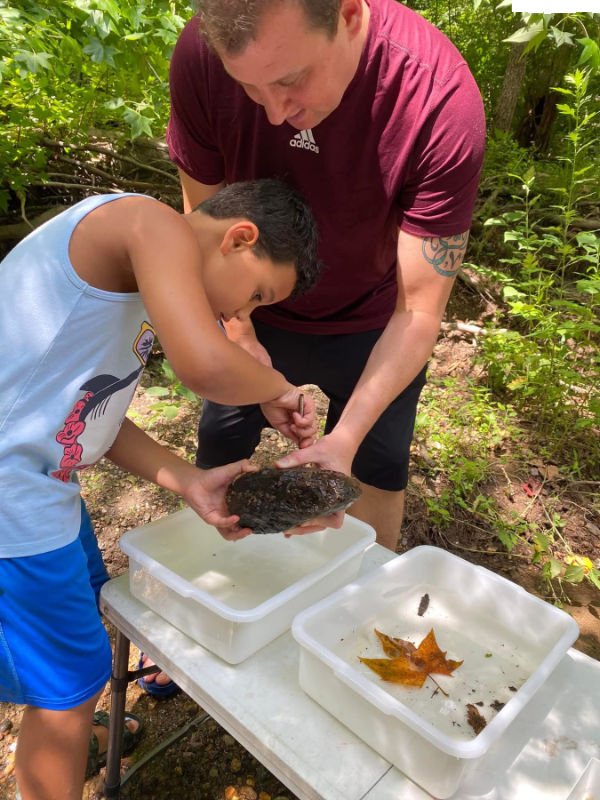
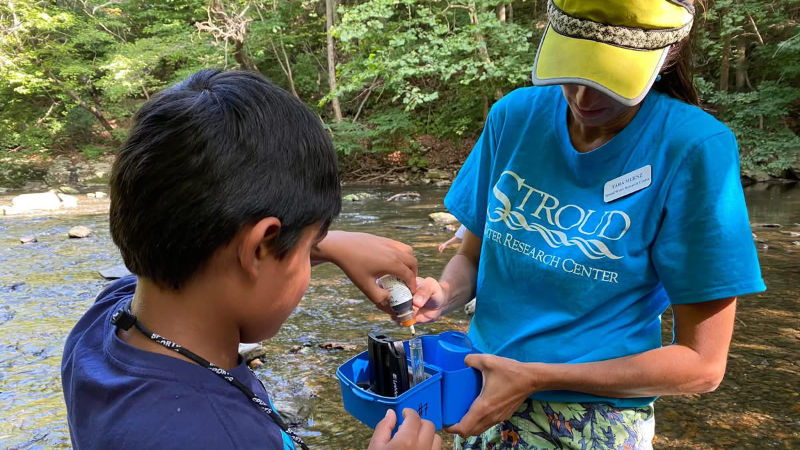
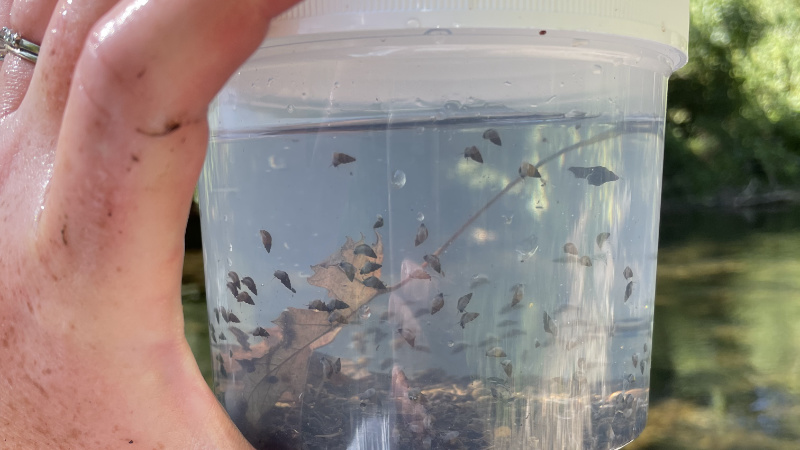
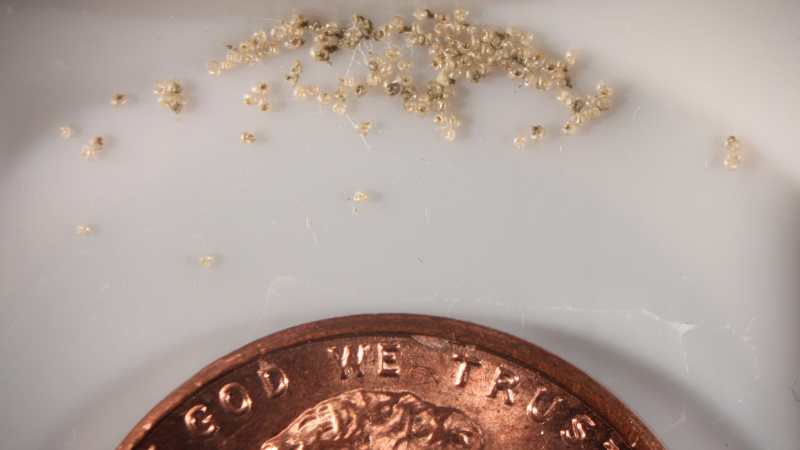
The snails, no larger than a grain of rice, were first spotted by Associate Director of Education and Leaf Pack Network Administrator Tara Muenz.
“I was seeing hundreds of New Zealand mud snails in our leaf packs. This was not what we observed last year,” said Muenz, who advises Rose Valley’s Environmental Advisory Council on watershed outreach and creek monitoring. Stroud Center entomologists later confirmed the identification.
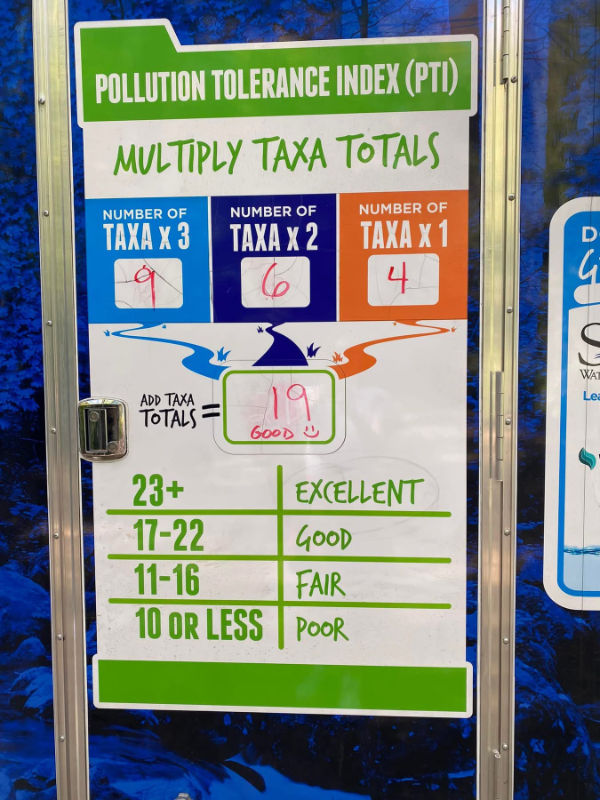
The finding marks a sharp contrast with 2023 results, when the borough’s Environmental Advisory Council (EAC) hosted its first community leaf pack monitoring of Ridley Creek. That year, the creek received a “good” biotic index rating and showed no signs of the invasive snail.
New Zealand mud snails (Potamopyrgus antipodarum), native to the freshwater streams and lakes of New Zealand and neighboring islands, can spread rapidly and threaten stream ecosystems by competing with native macroinvertebrates for food and space. Once introduced, they are extremely difficult to control.
Stroud Center scientist Jan Battle says, “The New Zealand mud snail reproduces by cloning, so a single individual can result in hundreds of offspring. They can also survive out of water for several days. If people fish or recreate in one stream and move to another without drying and cleaning their gear, they can easily transport these invasives into a new site. Education is the first step in preventing their spread.”
The Rose Valley EAC is now working to raise awareness, sharing information through flyers, social media, and community outreach.
What You Can Do
To help slow the spread of invasive species like the New Zealand mud snail, Muenz recommends that you:
- Decontaminate gear: Always clean, drain, and dry boots, nets, and other equipment between stream sites.
- Stay informed: Learn to recognize invasive species in your area so they can be reported and tracked.
- Support local monitoring: Community events, such as Rose Valley’s Leaf Pack workshop, are vital for early detection and protection of waterways.
Get Involved: Participating in the Leaf Pack Network lets you engage in the full process of conducting real research while communicating and sharing your results worldwide. Leaf Pack Network projects fulfill many state and national science standards and can be easily implemented in any curriculum.