
By Diane Huskinson
We’re pleased to welcome two long-time interns as our newest team members supporting our watershed restoration work: Abby Horst and Charlotte Horn.
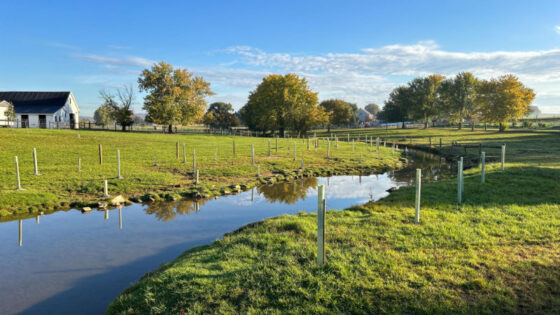
Thanks to recently released restoration funding, their roles expand our ability to implement urgent on-the-ground projects that improve water quality and ecosystem health.
As we celebrate the addition of Abby and Charlotte, the Stroud Center continues to navigate changes in the funding landscape. The flexible support of donors like you helps us sustain research, education, and watershed restoration that underpins clean and healthy waters.
Funding opportunities for our core science programs remain more limited than ever. Priorities among large-scale funders have shifted significantly. It’s an ongoing challenge, one that highlights how important flexible donor support is to sustain the research that underpins clean and healthy waters.
Please join us in welcoming our newest colleagues as they help advance the Stroud Center’s mission. If you value their work as much as we do, please help us sustain it: Science Today for Water Tomorrow.
Abby Horst
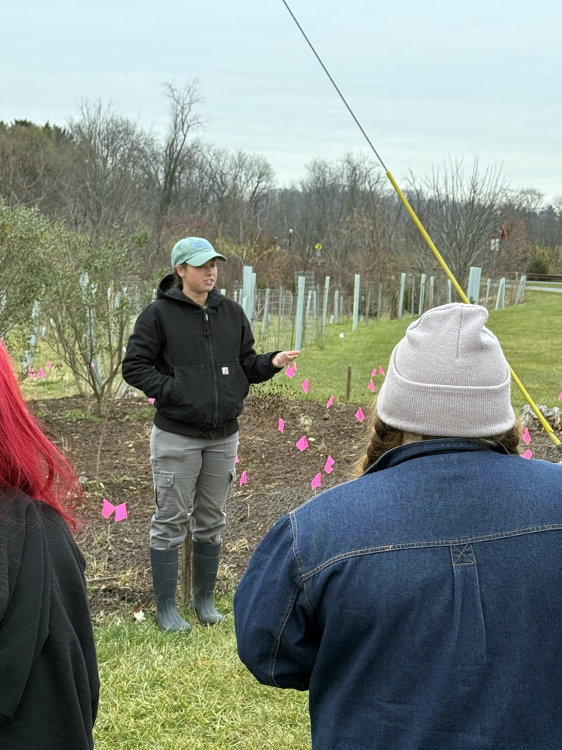
Abby Horst knows Lancaster County, Pennsylvania, well — both its natural riches, including 1,400 miles of streams, and its water pollution challenges. She grew up and still resides there, and now as a watershed restoration assistant at the Stroud Center, she’ll work to restore degraded streams and protect clean water in her home county and beyond.
Horst says, “Growing up on Mill Creek surrounded by farming and development, and now working in these environments, I see how land use directly impacts water quality. This has really shaped my perspective on science and the environment. People, land, and water are all interconnected, and meaningful change often happens gradually, not instantly.”
Horst graduated from Millersville University with a bachelor’s in environmental biology, specializing in wetlands and spending much of her time doing aquatic entomology research.
“I enjoy working with landowners to help them improve water quality and wildlife habitat on their properties,” she says. “Our restoration projects bring people together for the common good.”
Charlotte Horn
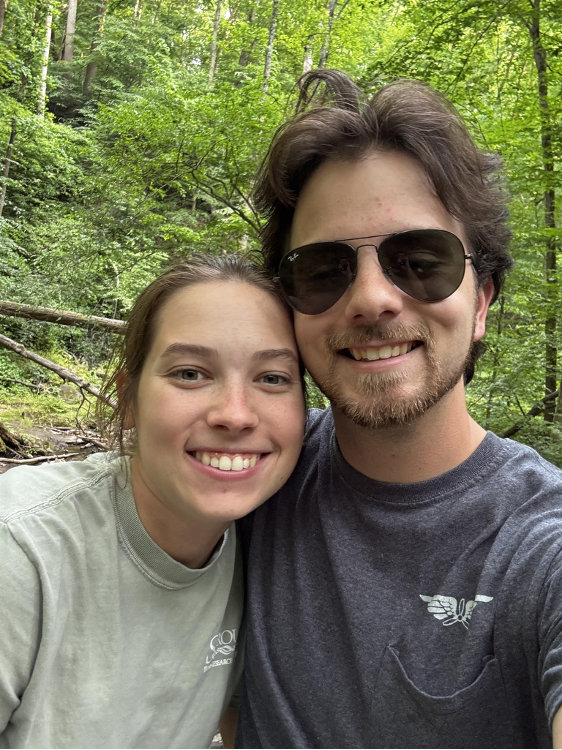
Charlotte Horn still remembers playing in the creek that flowed by her childhood home in Schnecksville, Pennsylvania.
“Every summer, my sisters, our neighbors, and I would spend hours exploring the creek. I was always determined to catch tadpoles, and my mom would always have to convince me to leave them in their natural habitat instead of bringing them home with me,” Horn recalls. “Those early moments sparked my love for nature.”
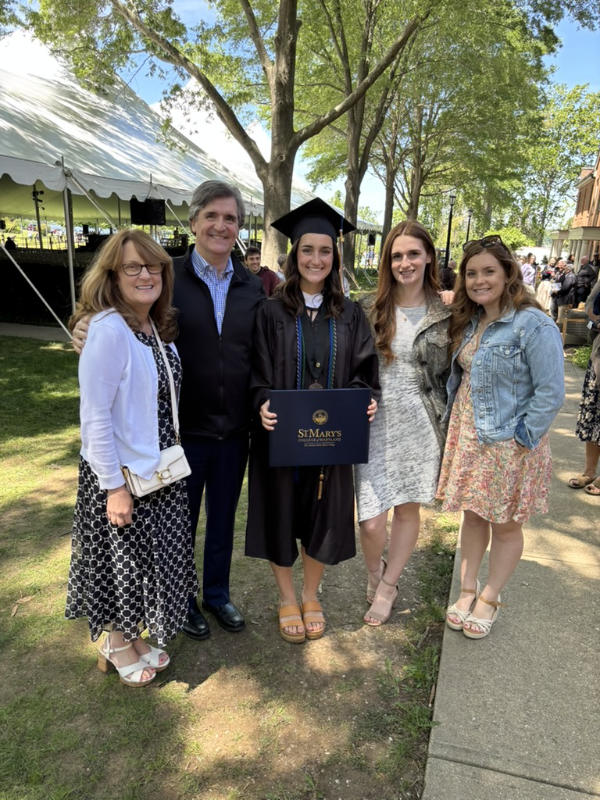
Before joining the Stroud Center, she spent a year interning at St. Mary’s River Watershed Association in Maryland, where she reviewed scientific literature to identify which 3D oyster reef methods the association should use on a five-acre reef.
“I found the work rewarding because it combined the research with tangible, on-the-ground restoration,” she says.
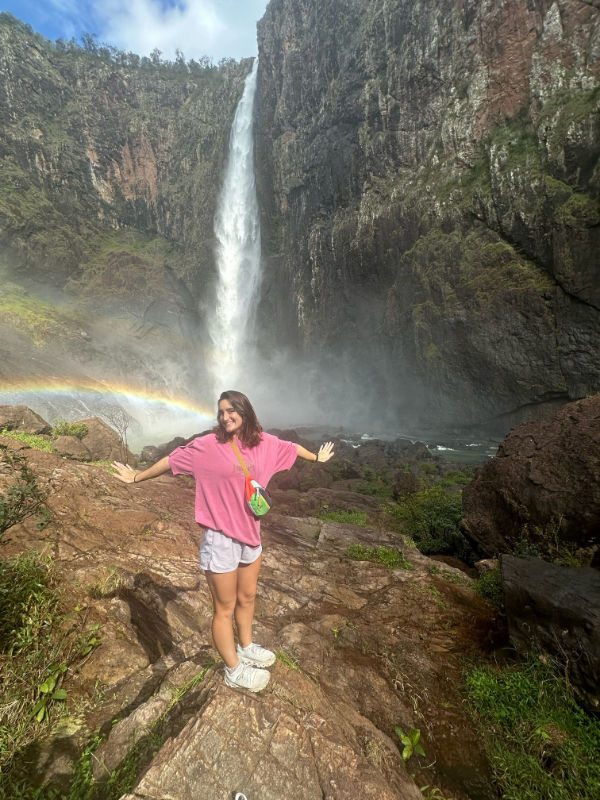
In her free time, she enjoys hiking, biking, running, drawing, and playing field hockey.