The Civic Systems We Can’t Afford to Lose
When we think about infrastructure, we picture what we can touch: roads and bridges, pipes and power lines, wastewater and drinking water treatment plants. But some of the most essential infrastructure in American life is invisible.

It’s the quiet system that warns communities before disaster strikes: long-term, nonpartisan environmental monitoring and assessment. The field staff who collect samples in all seasons. The labs that ensure quality control. The data stewardship that preserves continuity across decades. The scientific interpretation that turns measurements into answers for our most pressing environmental concerns.
In other words: Long-term research is civic infrastructure. And if philanthropy wants to protect public health, environmental resilience, and accountable governance, we must fund research like infrastructure — reliably, long-term, and with the understanding that its value compounds over time.
Monitoring Is the Early-Warning System for Public Health
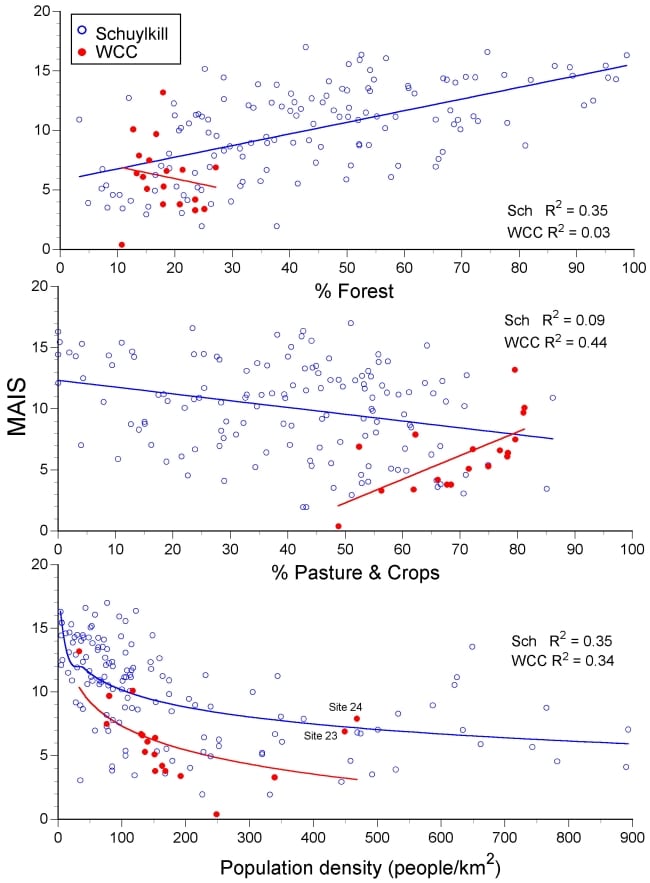
Long-term monitoring is how communities know whether their water is getting cleaner or more polluted. It establishes baselines, detects trends, and distinguishes signal from noise. It makes it possible to identify and measure risks before they become crises.
But long-term research, monitoring especially, is rarely funded as the infrastructure it is. Too often, it results from a series of short-term projects. The problem is that monitoring cannot function within short time windows.
Once a multiyear record is interrupted, you cannot catch up later. You lose trend lines and the ability to compare conditions across years and decades. You lose the capacity to identify causes, justify interventions, or prove whether public investments are working.
That loss matters because environmental threats rarely announce themselves all at once. They accumulate, and they hide in variability. Monitoring is what allows communities to see gradual change and intervene. The analysis and interpretation that follow yield critical insights — ones that empower communities to protect human health and the environment.
The Real Cost of Monitoring Gaps
When monitoring weakens, communities don’t just lose data. They lose:
- The ability to detect emerging contaminants early.
- The evidence needed to guide smart decisions.
- The confidence that public systems are protecting them.
- Critical insights to guide restoration and stewardship practices.
- The capacity to evaluate whether policies, and restoration and protection investments, are working.
In practical terms, monitoring gaps can mean that contamination is discovered later, when cleanup is harder and treatment is more expensive. They can mean that decision-makers are forced to act without evidence, making outcomes more uncertain.
Citizen Science Is Powerful — but It’s Not a Substitute
At Stroud Water Research Center, we were fortunate to have the William Penn Foundation support our environmental monitoring of freshwater ecosystems for 10 years — a remarkable long-term commitment from a philanthropic funder. Its support enabled us to not only conduct our own scientific research but also to build monitoring capacity through citizen science.
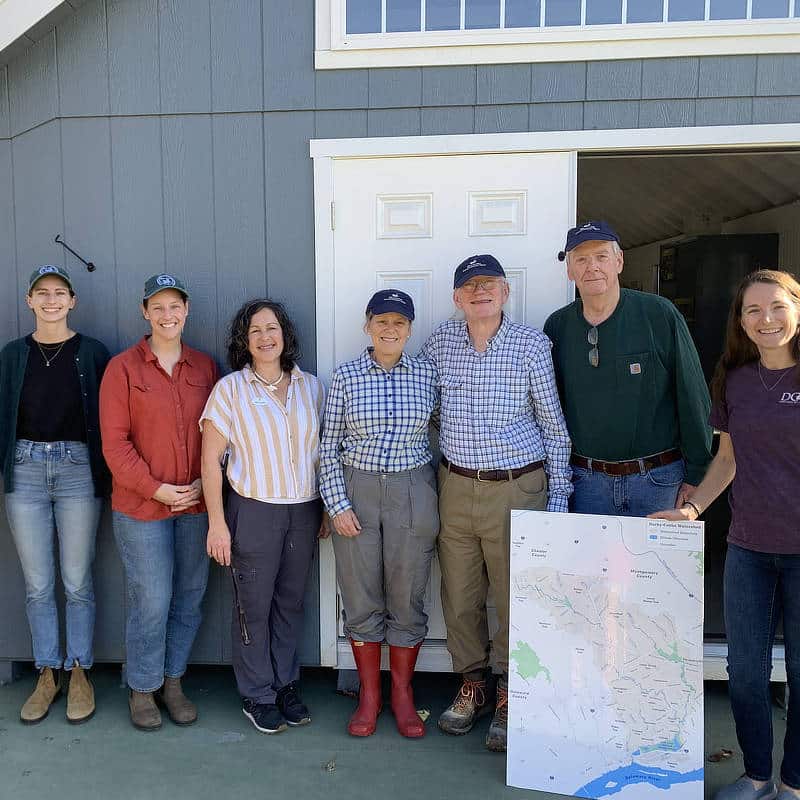
Although William Penn has shifted its focus, the robust, researcher-guided network of stream-monitoring volunteers — hundreds in number — that its past support helped us build is as dedicated and active as ever.
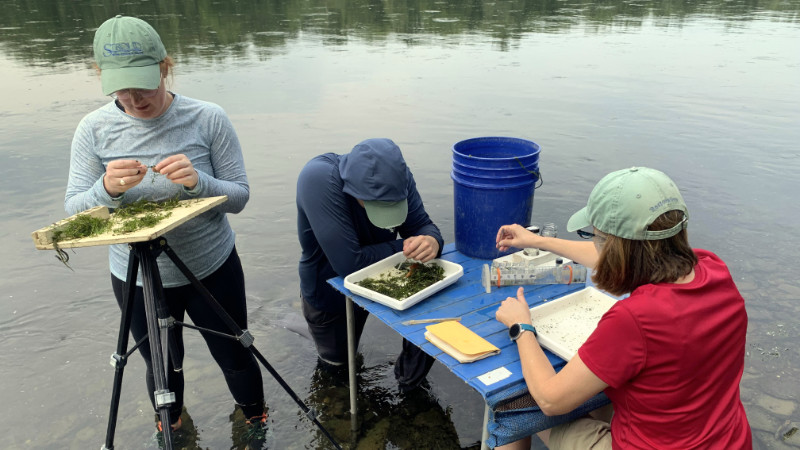
With the help of volunteers from the Penn State Master Watershed Stewards Program and dozens of environmental organizations, we’ve captured the pervasive and long-term impacts of road salt pollution. They wade into streams, collect samples, and contribute to a publicly available data map. This work is inspiring: It builds stewardship, strengthens civic engagement, and expands the scale of monitoring.
But volunteer energy cannot replace institutional capacity. Monitoring still depends on:
- Scientific interpretation.
- Standardized protocols and training.
- Quality assurance and quality control.
- Lab capacity.
Citizen science is most powerful when it’s linked to strong institutions that can ensure data are credible, interpret changes and trends, and guide decision-making with science-based insights. Philanthropy should support community participation, but funders should not mistake volunteer effort for a replacement for professional monitoring infrastructure. It is a complement, not a substitute.
A Funder Challenge: Stop Treating Research Like a Short-Term Project
Here is the shift philanthropy must make: If you fund research like a short-term project, you will get a fragile information system that fails under pressure. If you fund it like infrastructure, you build durable civic capacity, and you protect every other investment that depends on reliable evidence.
That means funders should support:
- Regular multiyear sampling.
- Backbone capacity and infrastructure, not just program outputs.
- Interpretation and communication.
- Data stewardship, not just collection.
- Evidence as a public good, not a luxury.
Monitoring doesn’t only protect wildlife and natural ecosystems. It protects public health, reduces long-term costs, and improves the effectiveness of other philanthropic investments — from restoration to resilience planning.
The Bottom Line
In the decades ahead, communities will face increasing uncertainty and environmental stress, and so the need for reliable, nonpartisan environmental data will increase too.
Long-term environmental research is how communities detect risks early. It is how we make smarter decisions, reduce costs, and protect public well-being.
Fund it like infrastructure.

Diane Huskinson is the associate director of communications at Stroud Water Research Center, where she advances strategic communications that strengthen public understanding of fresh water and build support for the science needed to protect it.