Legendary football coach Dick Vermeil knows victories — but his greatest win for Chester County, Pennsylvania, may be restoring streams and protecting fresh water on his farm.

By Jennifer Merrill, Ph.D.
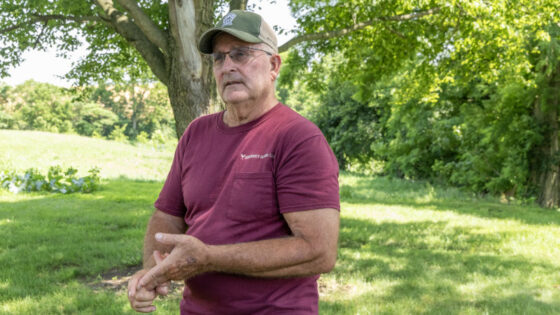
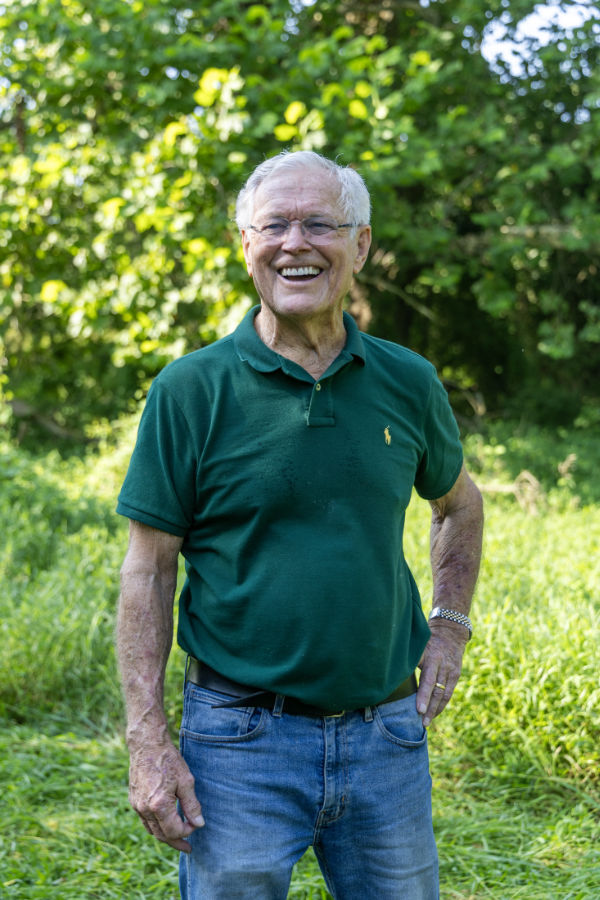
When you think of NFL Hall of Fame Coach Dick Vermeil, you may think of the Philadelphia Eagles, a Super Bowl championship, or his decades of leadership on and off the football field.
But at his farm in Chester County, Coach Vermeil has built another legacy — one rooted not in victories on the gridiron but in trees, streams, and the promise of clean water for generations to come.
From Hay Fields to Forests
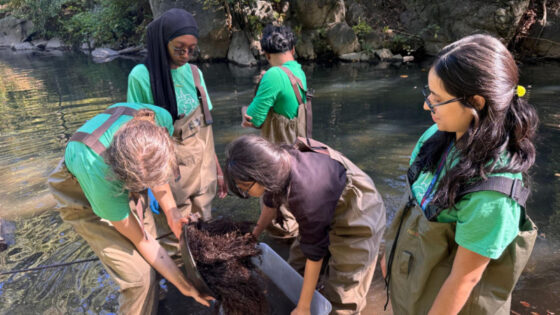
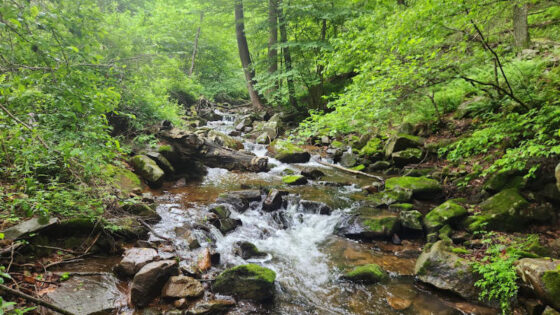
With the support of Stroud Water Research Center, Vermeil transformed acres of hay fields on his property into thriving streamside forests along a headwater tributary that flows into Brandywine Creek, a critical drinking water source for communities across southeastern Pennsylvania and northern Delaware.
By planting 800 native trees and shrubs, Vermeil created a living buffer that filters pollutants, stabilizes streambanks, and provides food and shelter for wildlife.
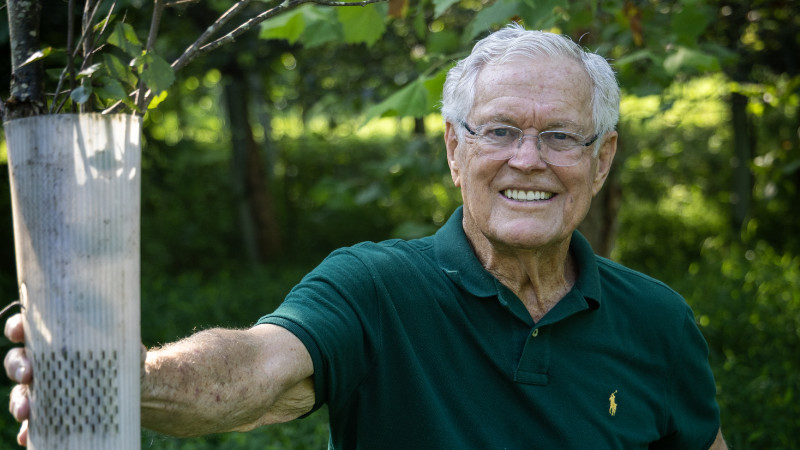
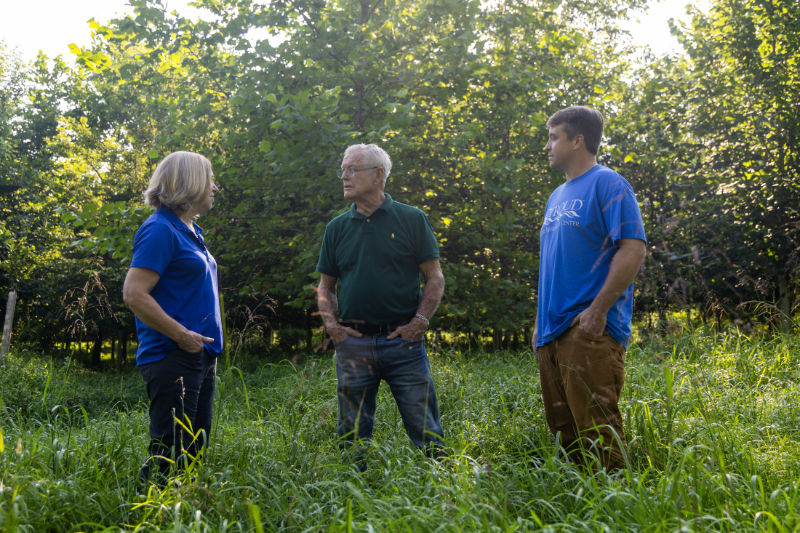
He reflected, “My work with Stroud Water Research Center was 100% positive. There were no negatives.” His farm continues to produce crops, and the streamside buffers are maturing into lush habitat for wildlife.
Coach’s simple truth speaks volumes. Streamside forests are one of the most effective ways to protect water quality, reduce flooding, and safeguard wildlife habitat. Trees slow runoff, filter out nutrients and sediments before they reach streams, and keep water cool enough to sustain fish and insects.
The science is clear: restoring riparian buffers improves both the health of waterways and the resilience of communities that depend on them.
Giving Back to the Land

For Vermeil, the project was about giving back to the land that has given so much to him and his family. For those of us at the Stroud Center, it’s a reminder that meaningful change flows from partnerships — when landowners, farmers, and conservationists work side by side.
Now, we invite you to consider the same opportunity. If you live in Chester County, Lancaster County, or the surrounding areas, we may be able to assist you in restoring streams, protecting your farm and land, and building a legacy of clean water. Our scientists and restoration experts provide technical guidance, plants, and support to make the process seamless and rewarding.
Coach’s story is a rich example of how restoring land is not just about trees in the ground. It’s about creating something enduring, something undeniably positive — for water, for wildlife, and for people.
🌱 Are you ready to take the next step? Contact the Stroud Center’s watershed restoration team today to learn how we can help you transform your property into a healthier, more resilient landscape. Together, we can protect the streams that sustain us all.
Photos: Jennifer Foster