
By Scott Ensign, Ph.D.
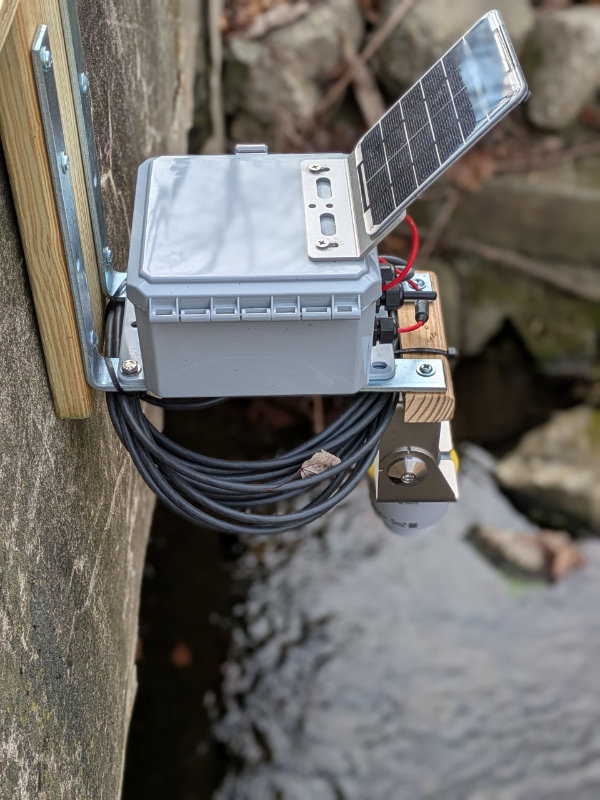
Scientists and engineers at Stroud Water Research Center have developed a new tool for measuring river floods. Through a cooperative agreement with the U.S. Geological Survey, Scott Ensign, Ph.D., Shannon Hicks, and Sara Damiano produced the Open-Source River Camera and Altimetry (ORCA). This compact and inexpensive unit was designed for rapid deployment on bridges to measure, record, and report water level in the river below.
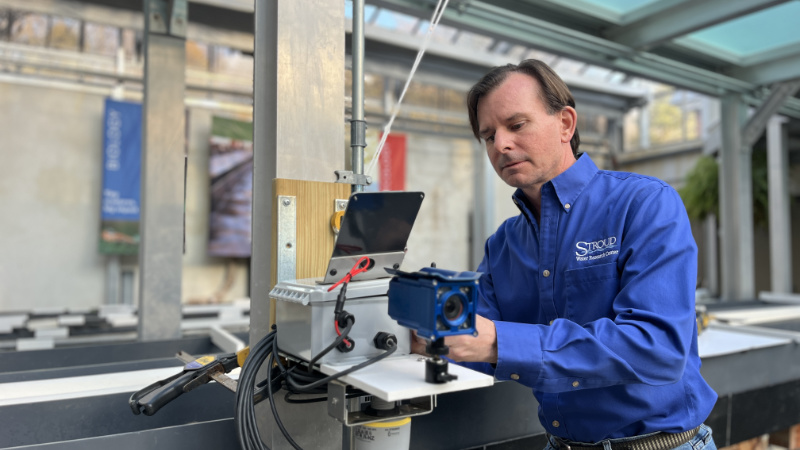
The ORCA will enable scientists and managers to affordably expand flood monitoring across the nation. Although the USGS monitors over 12,000 river sites, most of the nation’s river miles are not monitored. By filling gaps in the monitoring network with lower-cost devices like the ORCA, managers can make better flood predictions, and scientists can more easily study the factors that affect flood risk. Several ORCAs can be deployed for the cost of a single traditional gaging station.
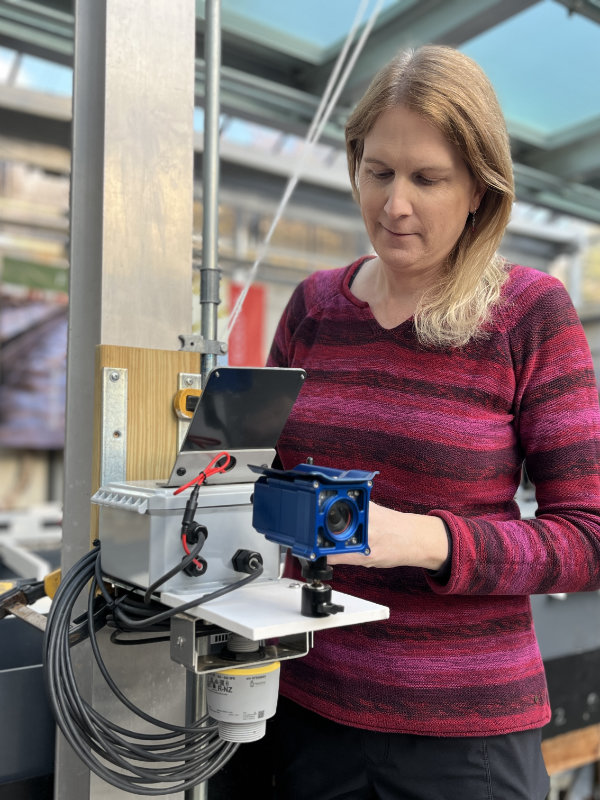
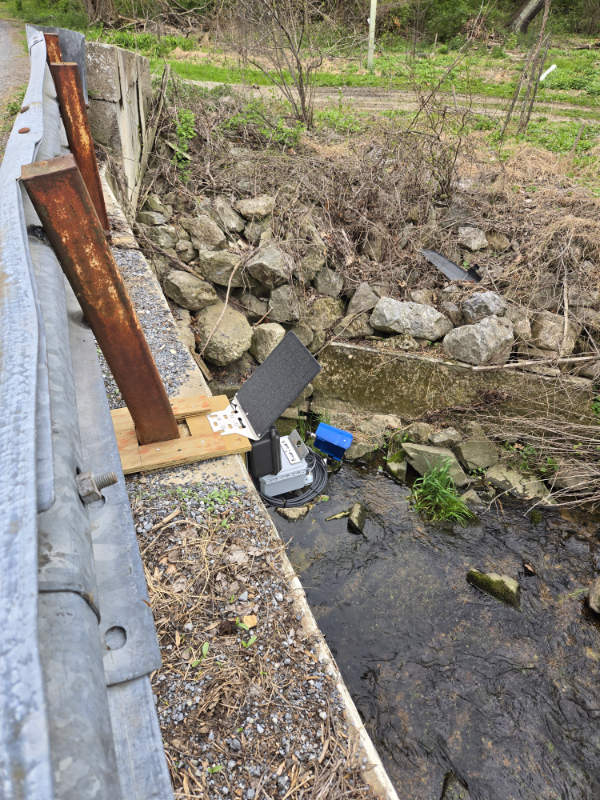
The Stroud Center recently hosted a hands-on workshop with the ORCA for USGS staff across the eastern U.S. A highlight of the ORCA is its ability to transmit photos and data to the cloud, allowing personnel to view river photos alongside water level measurements in real time. For the USGS, this process involves Amazon Web Services and the National Imagery Management System. For users outside the federal government, Monitor My Watershed allows them to view ORCA measurements in real time.
“Open source hardware is an important part of water monitoring technologies because it enables rapid, transparent innovation supported by a global community. The flexibility to integrate new sensors and validate performance can often simplify data collection efforts without constraints sometimes experienced by proprietary systems.” — Bill Selbig, Research Hydrologist, USGS Upper Midwest Water Science Center
While similar devices are available from commercial manufacturers, the open source nature of the ORCA makes it unique. Anyone can use the plans for free to make or modify the device to suit their own needs. This flexibility provides opportunities for collaboration among researchers and engineers through online communities such as EnviroDIY.
Interested in learning more about the Stroud Center’s cutting-edge freshwater research, boots-in-water education programs, and watershed restoration successes? Subscribe to our monthly e-newsletter!