No-Till Practices Can Improve Your Home Garden


By Lisa Blazure and Jennifer Merrill, Ph.D.
Fall is nearing, and if you are a home gardener, you have canned your tomatoes, made your pickles, and are wondering how many more zucchini you can give away by the end of the growing season.
Stroud Water Research Center’s watershed restoration team has been educating growers about the benefits of healthy soils for years. One of the ways we partner with farmers is with the Pennsylvania No-Till Alliance (PANTA).
Building Healthy Soils
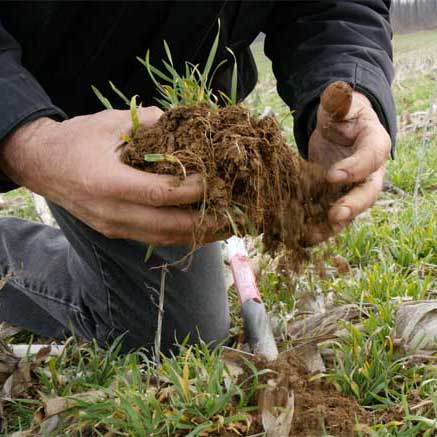
The four tenets for building healthy soils are:
- Minimize disturbance (both tillage and chemicals).
- Keep the soil covered.
- Always have a living plant.
- Increase diversity.
There are many benefits to building healthy soils. Healthy soils enhance water quality because they infiltrate rainwater, resulting in less stormwater runoff that erodes farm field soils and washes pollutants into local waterways. They also require less fertilizer to grow crops, thereby reducing nutrient pollution.
How does soil change when we don’t till? Soil structure improves. Roots from past crops remain intact, adding organic matter to the soil and preserving space for water infiltration. Microorganisms thrive on organic matter, and these microorganisms are crucial for supplying nutrients and water to crops.
Let’s Not Forget the Worms!
Earthworms are friends of healthy soil, digging deep as they create their burrows. Worm burrows aerate the soil, allowing for easier penetration by young plant roots, and helping rainwater soak into the ground. While earthworms can live for five to seven years, their burrows can remain intact for as long as 25 years, leaving an influential legacy from our legless friends. Tilling reduces earthworm populations and disturbs the burrows they leave behind, reducing the capacity for your garden to absorb the rain.

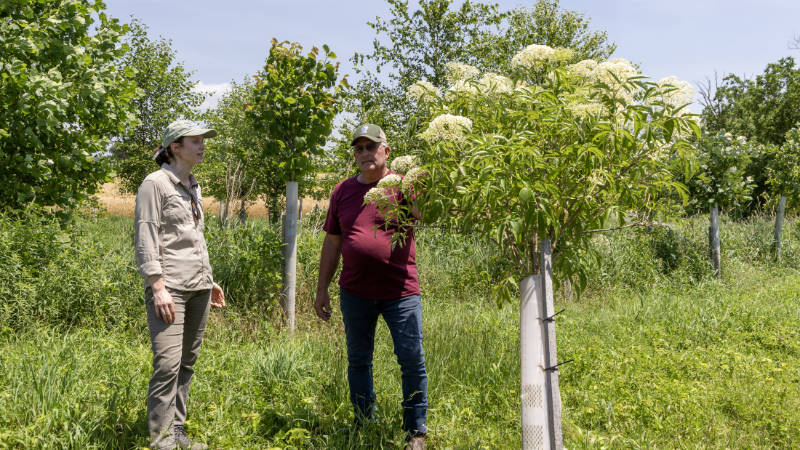
A demonstration by Lisa Blazure of the Stroud Center and Sjoerd Duiker of Penn State University highlights the presence of these burrows deep in the soil of Jim Hershey’s 500-acre family farm. Hershey, who is the president of PANTA, does not till his soil, and he has used cover crops for more than 30 years. Hershey’s farmland is now among the 70% in Pennsylvania that’s in no-till production.
Help Your Garden Thrive
Before you clean up your garden this fall or till your garden soil, ask yourself:
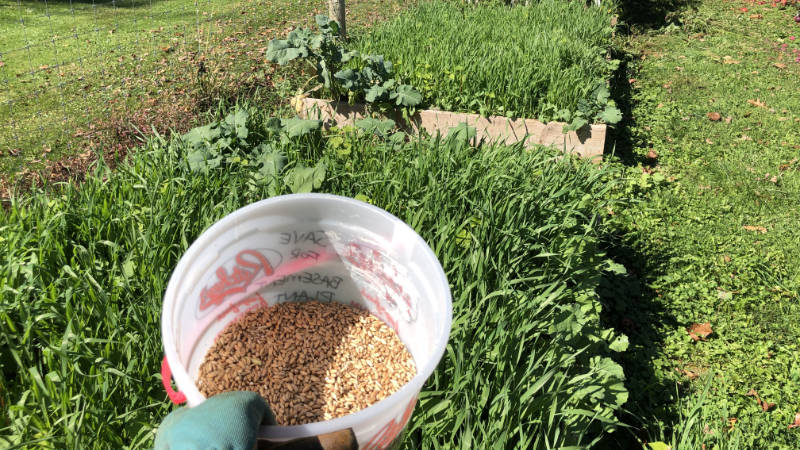
- Can you plant a cover crop this fall to feed the soil microbes until next summer?
- Can you leave the mulch to protect the soil?
- Why rototill the entire garden when you can strategically dig holes only where you’re placing the transplants?
These practices can help your garden thrive next season and beyond.
Learn More
- Download our Building Healthy Soils in Home Gardens fact sheet.
- Learn how Jim Hershey works with the Stroud Center to improve water quality on his farm.
Curious About Earthworms?
- Check out this information on earthworms from Penn State Extension.
- Read and watch: No-Till Soil Pit: How Deep Do Nightcrawlers Go?
- Watch Bioturbation – Worms at Work on YouTube.
For more than a decade, the Stroud Center has provided consultations and connections to help the farming community recognize the importance of restorative practices to improve soil health. Join the conversation about healthy soil and healthy food: contact Soil Health Coordinator Lisa Blazure for a free consultation.