OLNI Empowers Teachers to Bring Real-World Watershed Science Into Classrooms, Inspiring Curiosity and Student Engagement

By Jennifer Merrill, Ph.D.
When teachers in Lancaster County, Pennsylvania, gather each summer for the Outdoor Learning Network Initiative (OLNI), they’re stepping into something rare in education: a professional development program that grows as they do. Instead of a one-time workshop, OLNI invites teachers back year after year, building a community where curiosity, creativity, and collaboration thrive alongside the science they’re bringing back to their classrooms.
A Partnership With Purpose
OLNI was born out of a partnership among the Lancaster County Conservation District, the Chesapeake Bay Foundation, and Stroud Water Research Center. Dan Daneker, Ed.D., of Conestoga Valley School District, led the first grant with the Columbia Borough and Ephrata Area school districts. OLNI’s mission is simple but powerful: help teachers weave Meaningful Watershed Educational Experiences into their curricula. These experiences — hands-on investigations into local waterways and ecosystems — connect students to the environment in ways textbooks never can.
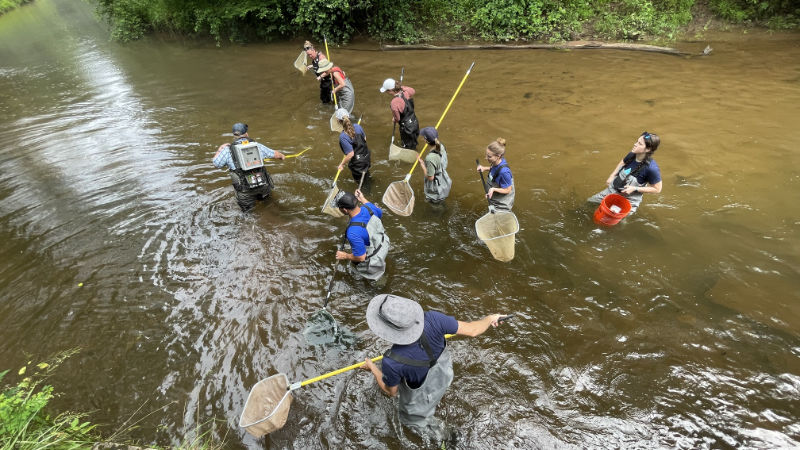
But OLNI isn’t just about training teachers to deliver lessons. It’s about building confidence, sparking imagination, and creating a supportive network of educators who believe outdoor learning is essential.
Learning That Sticks
OLNI transforms teaching by making authentic connections. Connections are built and sustained between teachers and students, between teachers across school buildings and districts, and between teachers and the professionals with access to new, dynamic resources and scientific material. Rather than focusing solely on standards, the program helps teachers inspire genuine curiosity in students through field-based, tactile learning.
This authenticity is what keeps teachers coming back. “Every single touch point has snowballed into something bigger and better, especially for our students,” shared Andrea Fellows, from Lancaster-Lebanon Intermediate Unit 13, who has incorporated everything from the Stroud Center’s Leaf Pack Network to mobile water labs into her lessons.
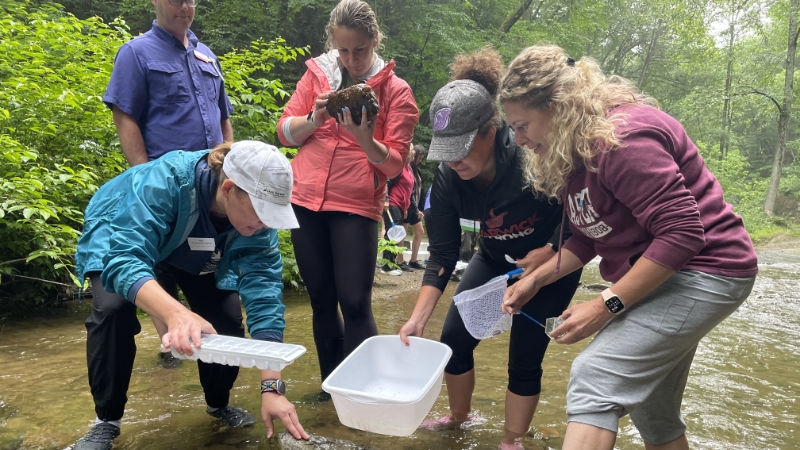
Susan Brunk, from Conestoga Valley School District, added that OLNI has become especially timely with Pennsylvania’s new STEELS (science, technology, engineering, and environmental literacy and sustainability) standards. “Now with the new standards, all of this really pertains,” she explained. “If we can incorporate what we’re learning here back into the classroom, it meets a lot of those requirements.”
For longtime environmental science teacher James Hovan, also from Conestoga Valley School District, OLNI’s uniqueness comes from its community. “It created this very organic mixture of educators who all share a common goal: bringing outdoor experiences into their classrooms and bringing classrooms out into the natural world.”
A Day at the Stroud Center
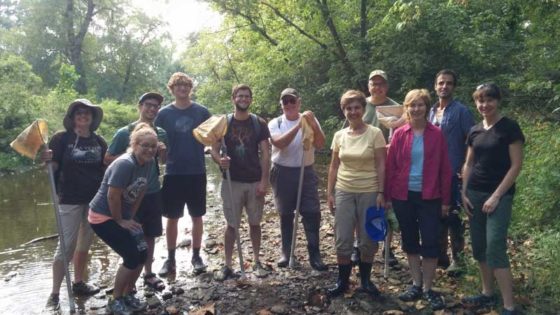
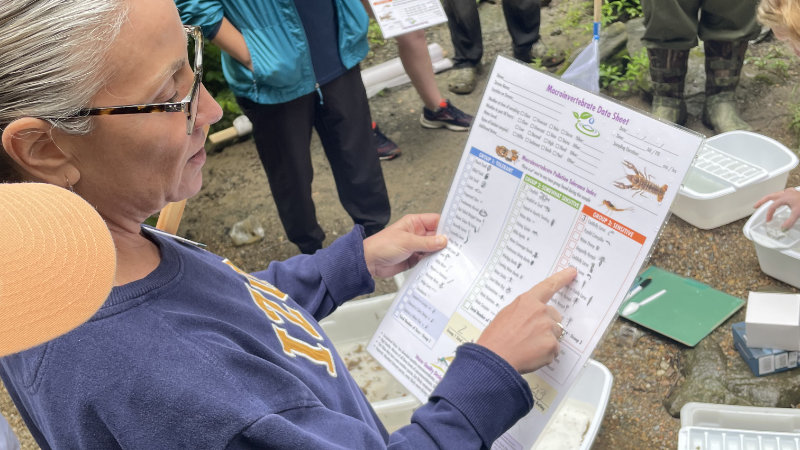
The summer 2025 OLNI program included a full day at the Stroud Center, where teachers explored the stream tables, walked the research trails, and learned directly from scientists and educators. These hands-on experiences modeled how students can connect with real-world science while showcasing the Stroud Center’s integration of research, restoration, and education. Teachers described the day as “inspirational” and left with new ideas for taking their own students outdoors.
A Network of Support
Perhaps the most remarkable aspect of OLNI is the network it creates. Teachers stay in touch throughout the school year, swapping project ideas and reaching out for support. “I’ve emailed people when I needed help,” Fellows noted. “Everyone’s willing to go above and beyond.”
That peer-to-peer mentoring is invaluable, especially for less-seasoned teachers who may feel overwhelmed. Watching colleagues return year after year and bring newcomers along creates a culture of encouragement that extends well beyond the summer.
Impact Beyond the Classroom
The ripple effects of OLNI are visible in students’ lives. Fellows recalled a student who, despite struggling in traditional classes, became fascinated by macroinvertebrates during a field trip. He cared for them so attentively that he built a makeshift habitat at home. “For a student who usually slept through instruction, it was incredible to see him so engaged,” she said.
Hovan pointed to former students who now work in conservation and environmental engineering, some even returning to mentor today’s classrooms. “When you see those bigger forces harmonize, when a curious high schooler becomes an environmental leader, it’s incredibly rewarding.”
A Lasting Legacy
What makes OLNI truly special is that it’s not a mandate or a box to check. It’s a community of educators, conservationists, and scientists who share a love of teaching and the outdoors. That authenticity is contagious and flows from teacher to student, and from classroom to watershed.
By supporting teachers with tools, knowledge, and experiences, including those hosted at the Stroud Center, the OLNI program ensures Lancaster County students aren’t just learning about their environment — they’re experiencing it, one stream, one leaf pack, one discovery at a time.
Get Involved
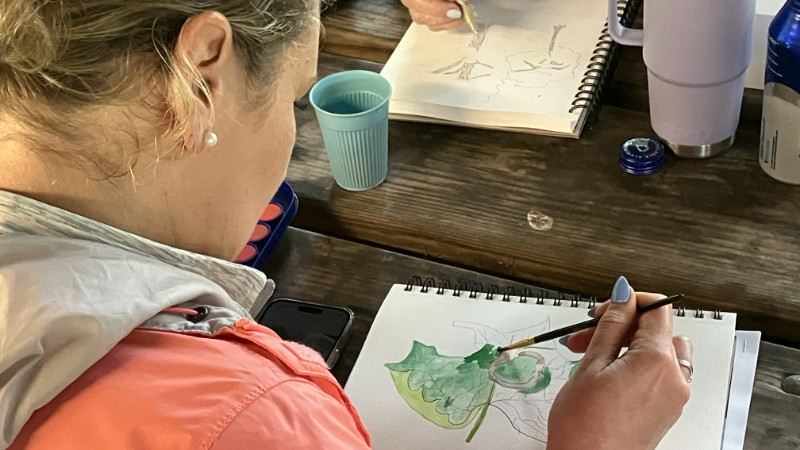
If you are a teacher interested in joining this powerful network of educators, contact Tara Muenz at the Stroud Center to learn more about opportunities with OLNI.
If you are a business leader looking to make a difference, you can help ensure the program’s future. Support for OLNI qualifies under Pennsylvania’s Educational Improvement Tax Credit program, making it possible for your company to underwrite life-changing educational experiences for local students. To learn more, contact Steve Kerlin or Jessica Provinski, and be part of shaping the next generation of watershed stewards.