A Watershed Approach to Education
Stroud™ Water Research Center’s education department interprets the research of our scientists. Our programs are multidisciplinary and oriented to a wide audience. We hope that through exposure to our programs and information, people will be motivated to become responsible stewards of freshwater resources.
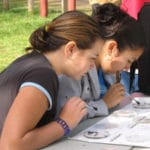
Our educators have developed extensive resources for educating “K through gray” audiences about watersheds and their importance. On-site and off-site school and scout programs, professional development workshops, and community and family programs are just some of the available options.
Upcoming Education Events
Program offerings
- Virtual/online stream and watershed study experiences.
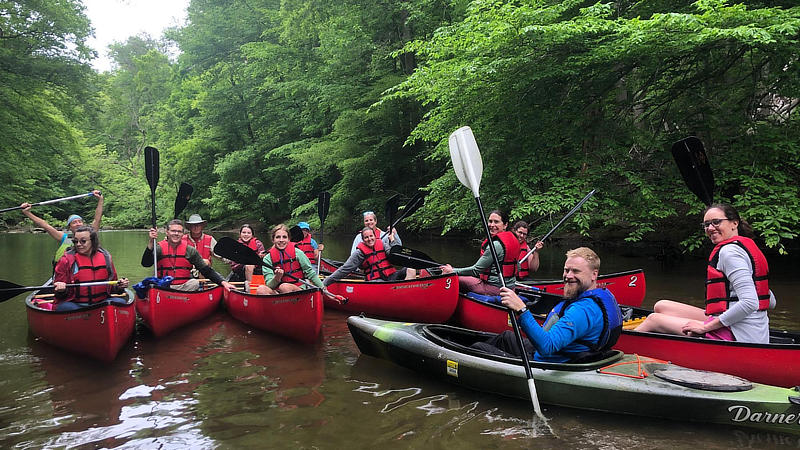
- Outdoor-only education programs located at the Stroud Center.
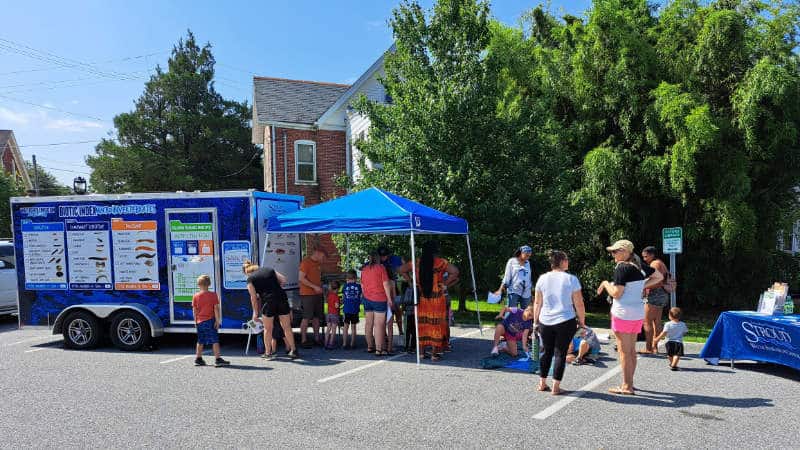
- Outdoor education programs at your site (e.g., school or local park).
Contact the Stroud Center education department or submit a request to schedule.
Quick Links
Subscribe to E-News
Join our education newsletter list to receive updates about education programs, professional training opportunities, and virtual learning resources.
Curricula

Virtual Learning Resources

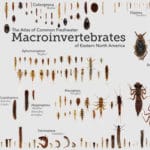
Macroinvertebrate Resources

Projects and Partnerships

Publications

Videos

Podcasts

Programs
School and
Youth Programs
Scout
Programs
Community and
Family Programs
Professional Development
and Training
Program scholarships are available! There are several funding sources that allow the Stroud Center to offer programs at no or reduced cost for your school or youth group. Our funding from the Pennsylvania Education Improvement Tax Credit program and other grants to subsidize education programs varies from year to year.
Program Feedback
“The students absolutely LOVED IT!!! All the staff were extremely engaging, enthusiastic and competent, which made our jobs extremely easy! We loved how hands on and engaging the entire activity was.”
“The facilitators were very knowledgeable. They challenged the kids and held their interest. As one of many field trips I have attended with my kids over the years this by far tops my list.”
“Thanks again for an outstanding field trip. Your ability to accommodate my student with hearing and visual challenges was exemplary! I’ve heard many favorable comments from our staff!”
“Thank you for an amazing day at your facility! I am sure every member of our watershed steward class left knowing much more than they did when we entered. You guys were great!”
“Just had an AMAZING field trip there with the 4th grade…. Thanks so much for a great day! Super day, really! The educators are super. They are the perfect ‘speed’ for the kids.”
WikiWatershed
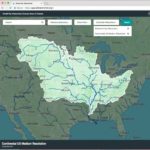
WikiWatershed® is a web toolkit to support citizens, conservation practitioners, municipal decision-makers, researchers, educators, and students to collaboratively advance knowledge and stewardship of fresh water. WikiWatershed is an initiative of Stroud Water Research Center.
Model My Watershed®
Leaf Pack Network®
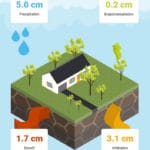
Runoff Simulation
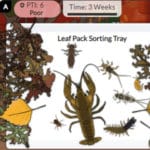
Leaf Pack Network Simulation
Monitor My Watershed®

Macroinvertebrates.org
EnviroDIY™
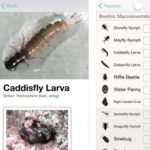
Water Quality Mobile App
Education News
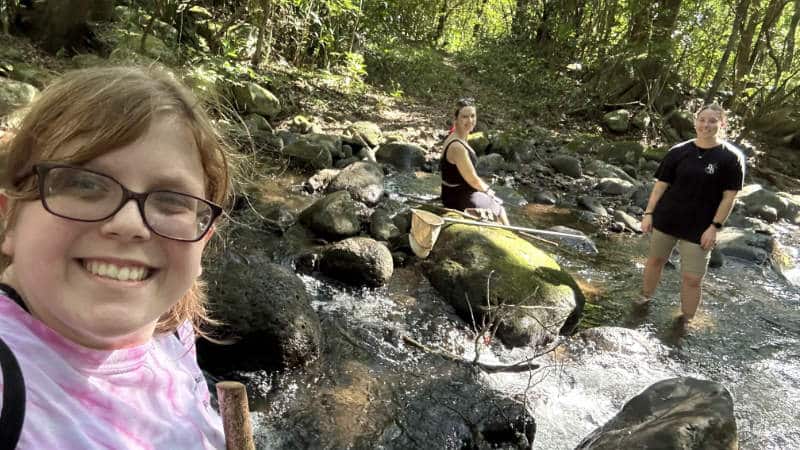
College Students Travel to Costa Rica With Stroud Center Team
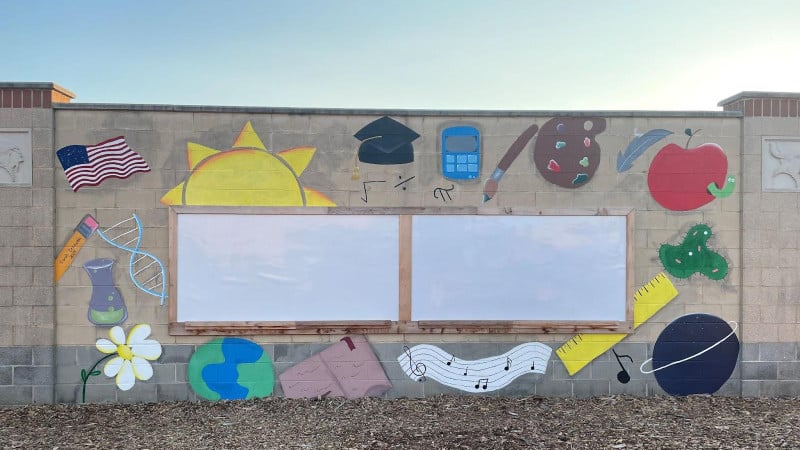
West Chester East High School Adds New Outdoor Classroom
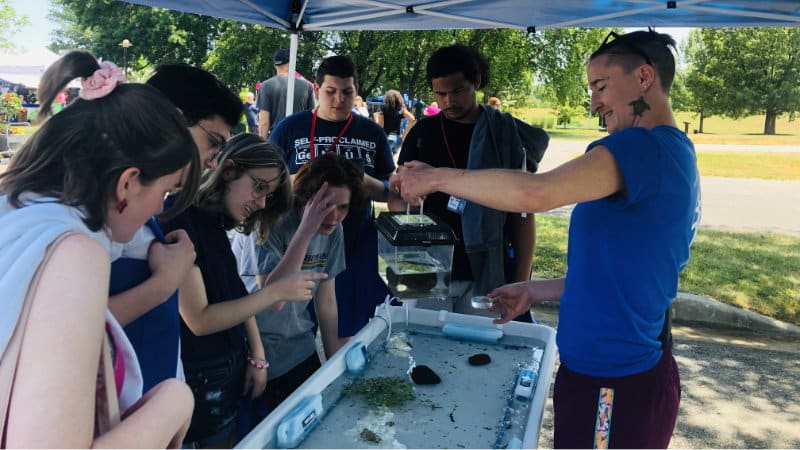
New Traveling Discovery Tanks Bring Stream Life to You!
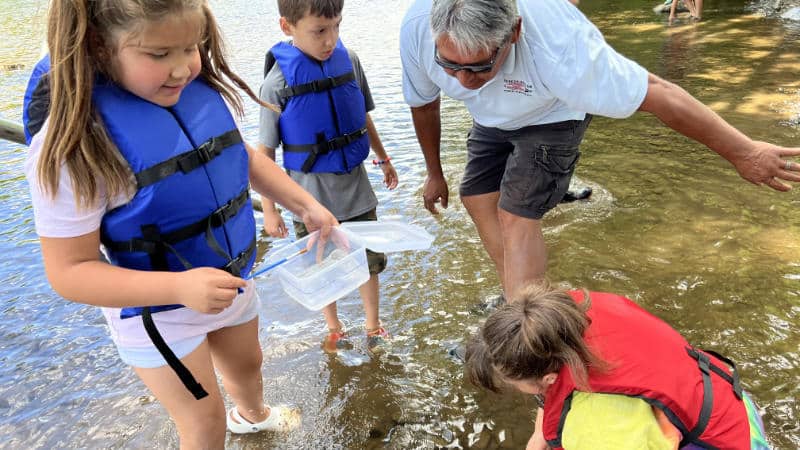
Nurturing the Good Mind
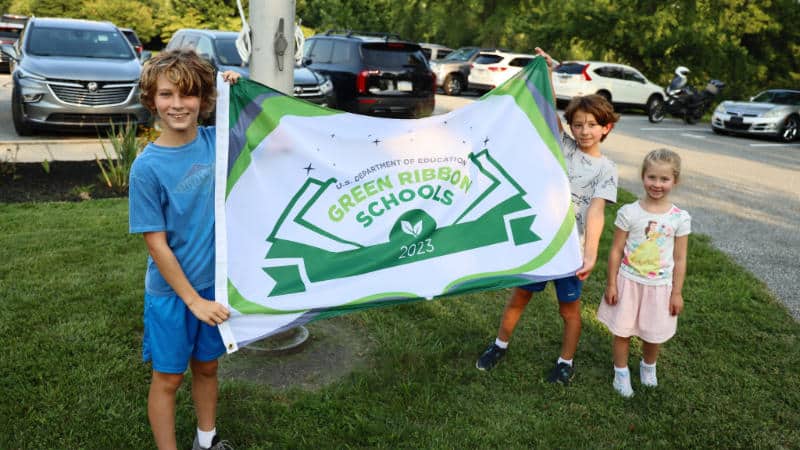
Hillendale Elementary School Awarded Green Ribbon for Environmental Education and Sustainability