Researchers are Following the Path of Nitrogen in a Tropical Stream to Uncover Relationships That Support the Entire Ecosystem

By Marc Peipoch, Ph.D., and Diane Huskinson
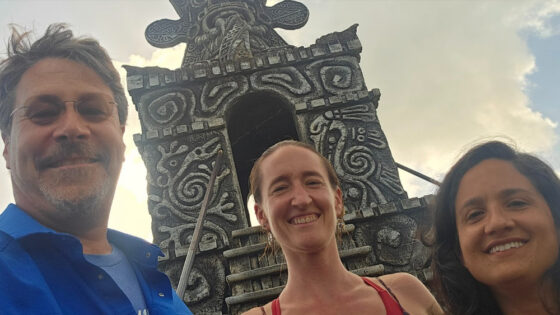
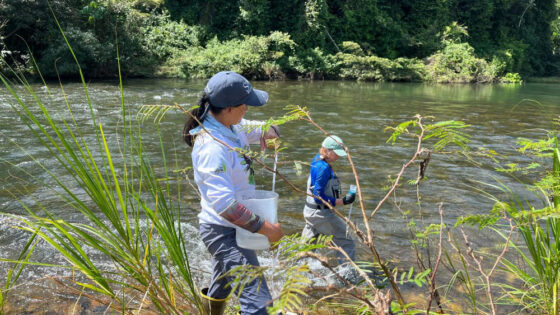
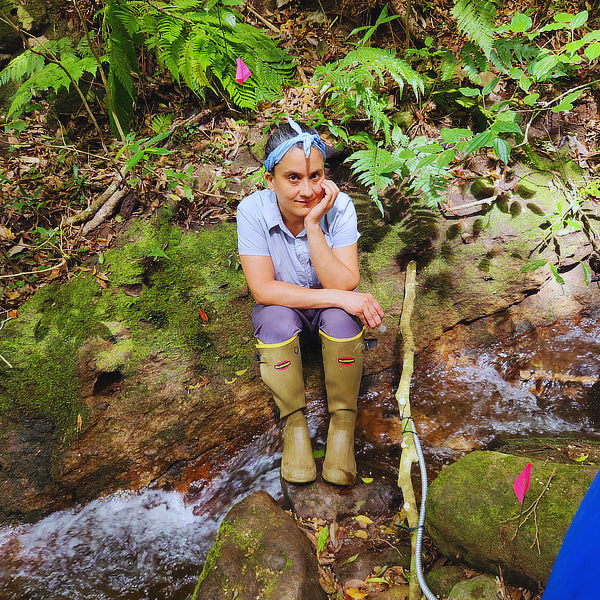
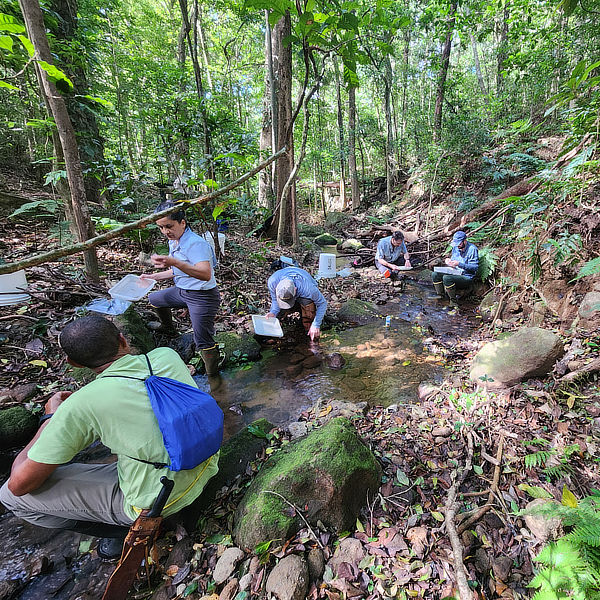
In the hot Costa Rican forest near the Orosí Volcano, a team of six scientists from Stroud Water Research Center and the University of Alabama found little relief wading into warm tropical streams five hours a day, seven days a week, for four weeks. During the first 10 days there in February and March 2026, they released a tiny amount of a harmless chemical nutrient, a nitrogen tracer, into the water. Then they gathered biological samples: aquatic plants, insects, and fish.
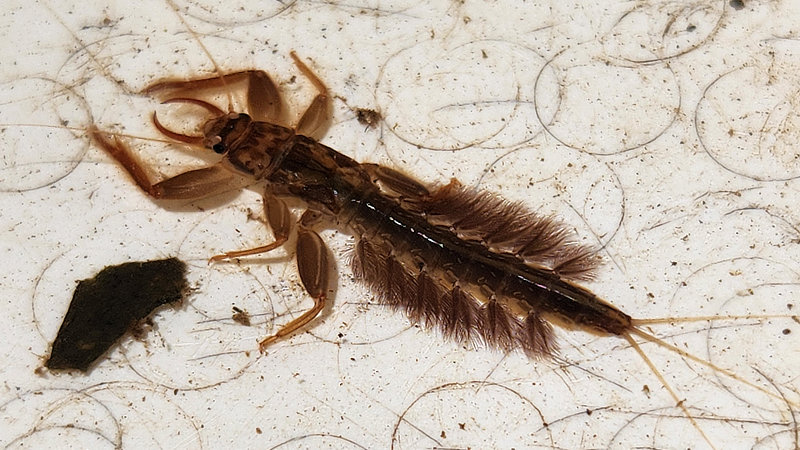
By the end of the trip, they had amassed nearly 1,700 samples, all holding clues about the organisms’ dietary preferences — and about one of the most mysterious places on Earth.
Tropical Streams Hold Key to Biodiversity
Unlike their temperate counterparts, tropical streams are largely unstudied. Little is known about what sustains them in a world that faces growing pressures from climate change, pollution, and habitat loss. Yet it’s exactly their pristine conditions that make them key to understanding how to preserve the world’s greatest biodiversity hubs.
By studying the thriving food webs in tropical streams, scientists can begin to characterize them and detect early signs of stress. So the team set out on its mission, continuing the Stroud Center’s 30-year legacy at the Maritza Biological Station.
Nitrogen Tracer Highlights Food Web Connections
At the center of this investigation is nitrogen, a nutrient that fuels aquatic ecosystems. The research team used a special form of nitrogen that, once released into the environment, can help identify where an organism sits in the food chain, and measure how much of certain foods it consumes. The higher an organism is in the chain, the more nitrogen it takes in.
By collecting samples over an extended period and recording when and where they were found, scientists can measure the rise and fall of nitrogen as it moves throughout the food web. The tracer first enters the smallest organisms in the stream, including microbes and algae, then the mayflies and other invertebrates that feed on those microbes, and later the larger animals, such as crabs and fish, that consume the invertebrates.
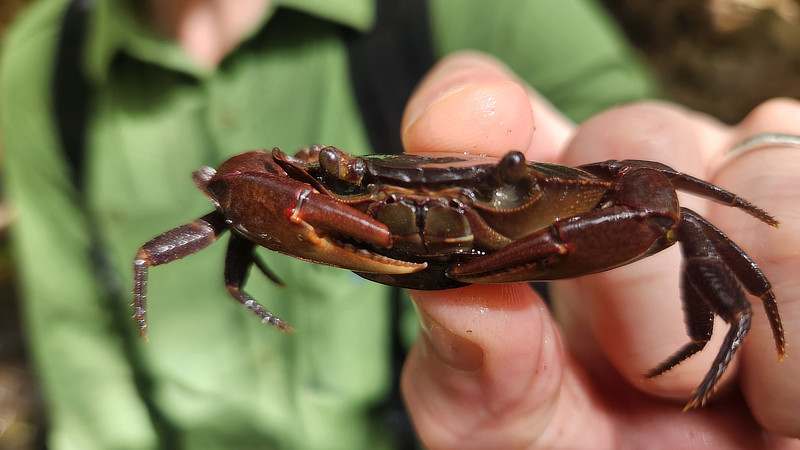
Following this process is key to understanding food webs and the life-sustaining relationships that support clean and healthy streams and rivers everywhere.
To learn more as this research continues, subscribe to our newsletter.