Paul O’Callaghan, Recipient of the 2025 Stroud Award for Freshwater Excellence, Proposes Challenge to Secure Water’s Future: “Demand Better”
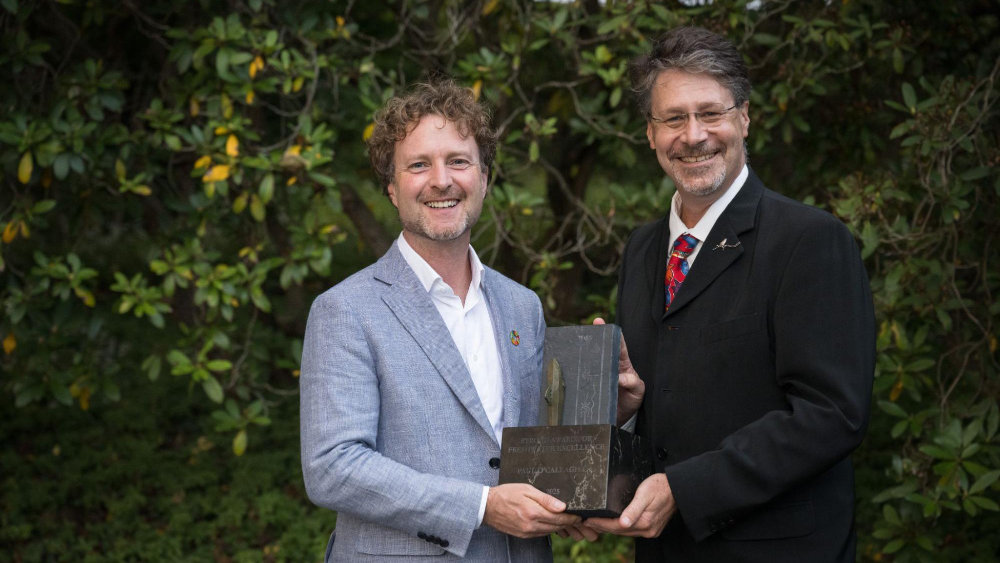
Paul O’Callaghan, recipient of the 2025 Stroud Award for Freshwater Excellence, shared his perspective and insights on water sustainability during the 23rd annual The Water’s Edge gala on Thursday, September 25.
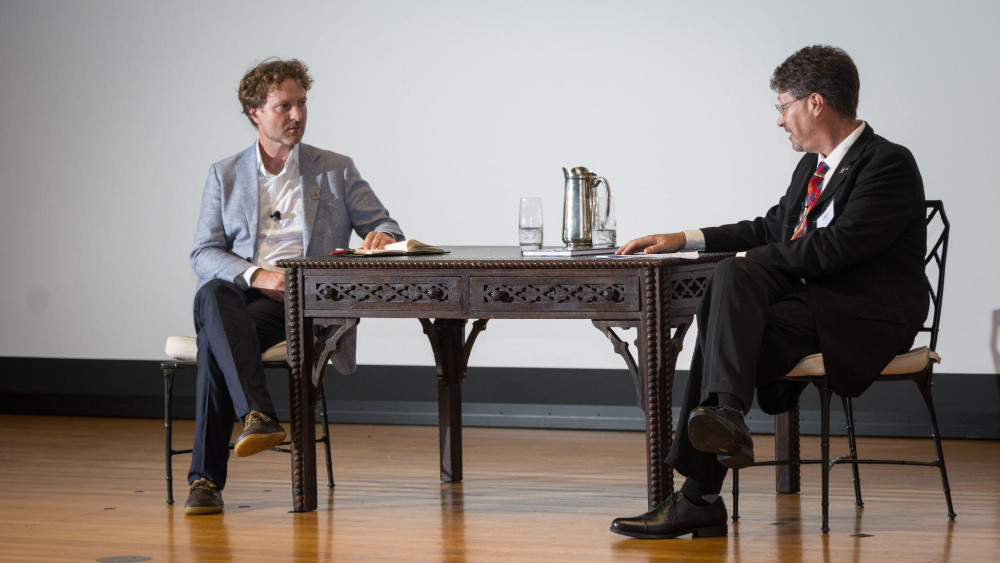
In an on-stage conversation with Executive Director David Arscott, Ph.D., O’Callaghan emphasized that the technologies needed to address water scarcity and quality already exist — but the missing ingredient is imagination.
He cautioned against “shifting baseline syndrome,” where communities accept degraded waterways as normal. Bridging the gap between the unseen work of scientists and the consumer’s tap, he argued, requires aspirational thinking and regulatory frameworks that set bold targets rather than merely minimizing harm.
O’Callaghan highlighted several opportunities that illustrate the scale of what’s possible:
- Reducing water loss: From current levels of ~30% down to 10%.
- Lowering daily water use: From 200–250 liters per person to 50–80 liters without sacrificing quality of life.
- Regulatory innovation: France aims to increase water reuse tenfold by 2030, while new European Union wastewater directives require treatment systems to be energy-neutral and to energy neutral and incorporate quaternary treatments that achieve near-reuse quality.
His closing message was clear and powerful: “Demand better — it’s there.”
Take the Challenge: The Stroud Center invites you to take Paul O’Callaghan’s challenge. Demand a better future for water. Your tax-deductible gift to the Stroud Center supports research, education, and restoration that protect fresh water. Donate now.