How Long Does It Take to Heal a Floodplain?

By Jinjun Kan, Ph.D.
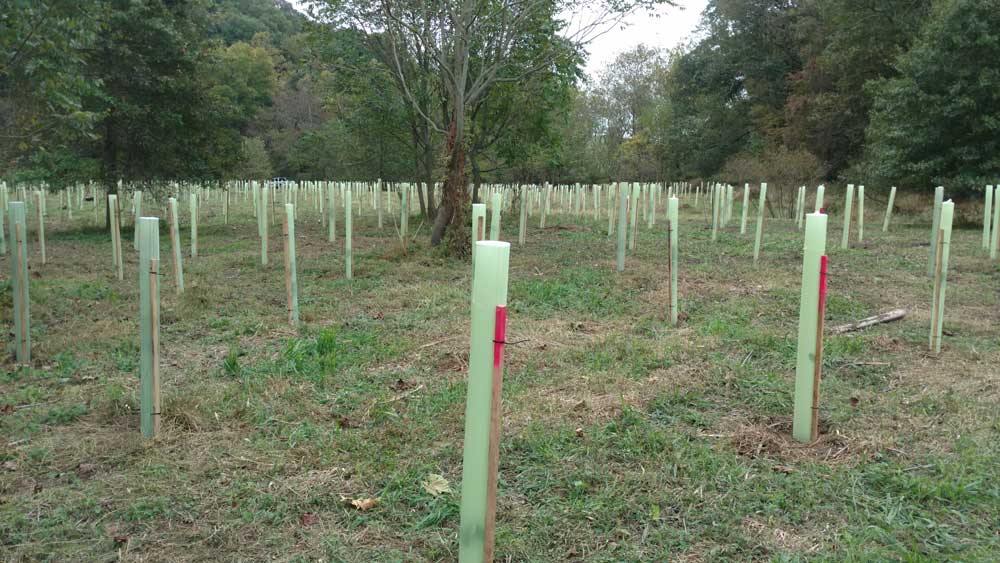
When we think of restoring rivers and floodplains, we often picture planting trees, reshaping banks, and stopping erosion. But there’s a critical piece of the puzzle hidden beneath our feet — the soil. Healthy soil is the foundation of a thriving ecosystem and clean surface water; yet it’s often an overlooked element in restoration work.
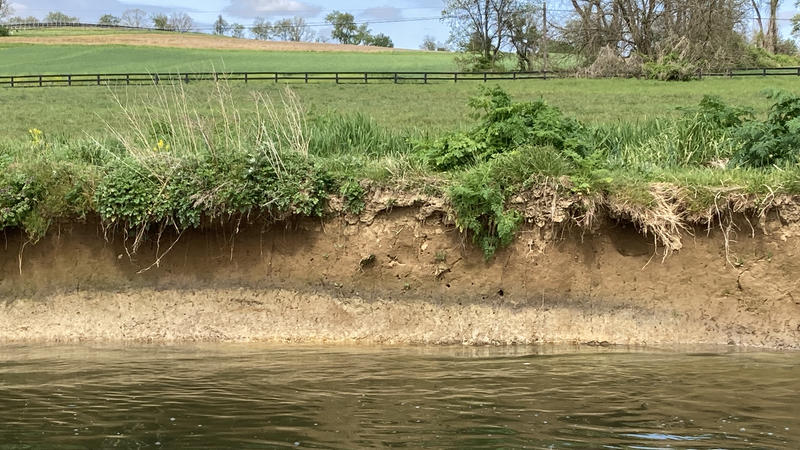
A new study is helping to change that.
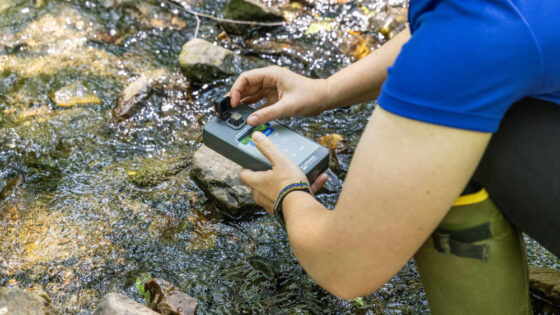
Scientists from Stroud Water Research Center and the University of Delaware looked at how soil recovers after floodplain restoration by examining 37 different soil health indicators at 11 restored sites and two natural reference sites in the mid-Atlantic region over a timespan of up to 22 years.
Their goal? To understand which soil properties matter the most and how long it takes for those properties to bounce back.
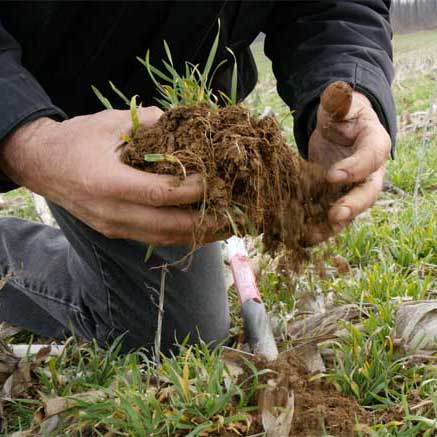
The results showed that not all soil properties recovered at the same pace. Basic characteristics like water content, nitrate, and ammonium changed quickly, often within the first two years after restoration. Other properties, such as soil bulk density, total nitrogen, and organic matter, took longer to show changes. Biological indicators, such as microbial biomass and activity, were especially sensitive to damage and recovered much more slowly.
In other words, you can’t rush soil biology. Just because the surface looks restored doesn’t mean the underground ecosystem has caught up.
Why This Matters for Restoration Projects
This work is more than just an academic endeavor. Restoration projects often need to prove they’re working to get funding, meet regulatory requirements, or earn “credits” for ecosystem services. However, without clear guidance on which soil metrics to track — and when to expect improvements — it has been challenging for practitioners to accurately assess success.
The study also found that restored soils didn’t always follow the same path as natural, untouched reference sites. This suggests that our idea of what recovered soil looks like might need refining, and restoration goals should be based on realistic, well-defined reference conditions.
Helping the Helpers
By identifying which soil health indicators are most useful and when they change, this study gives restoration practitioners better tools to monitor progress and adjust their strategies. Over time, this means more effective projects, healthier rivers and floodplains, and smarter use of funding and resources.
So the next time you see a streamside restoration in progress, remember: the most important signs of recovery might be happening beneath the surface. The research team is continuing to explore this hidden world, working to better understand what’s happening below ground — and what it means for restoring our sources of fresh water.
Learn More: Read the study, Soil health metrics for assessment of floodplain restorations.