Comprehensive Assessment Reveals Exceptional Biodiversity and Establishes Benchmark for Freshwater Conservation in Belize
When Stroud Water Research Center partnered with Silk Grass Farms in southern Belize, the goal was ambitious: Conduct a comprehensive scientific assessment of the freshwater ecosystems of the farming operation and adjacent Silk Grass Nature Reserve and establish a baseline for understanding watershed health over time.
What emerged from the collaboration was one of the most comprehensive freshwater ecosystem assessments conducted in Belize to date.
The study documented remarkable biodiversity, found no significant evidence of nutrient pollution associated with farm operations, and established a scientific foundation for future monitoring and conservation efforts.
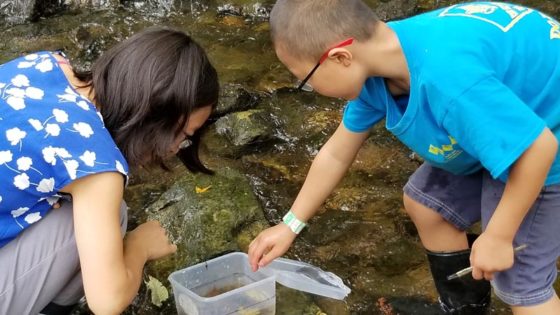
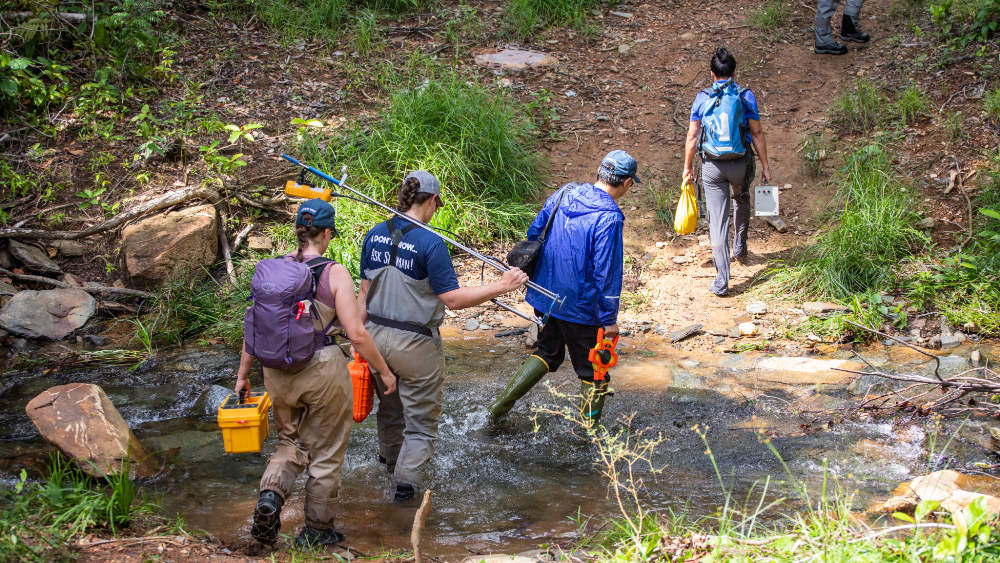
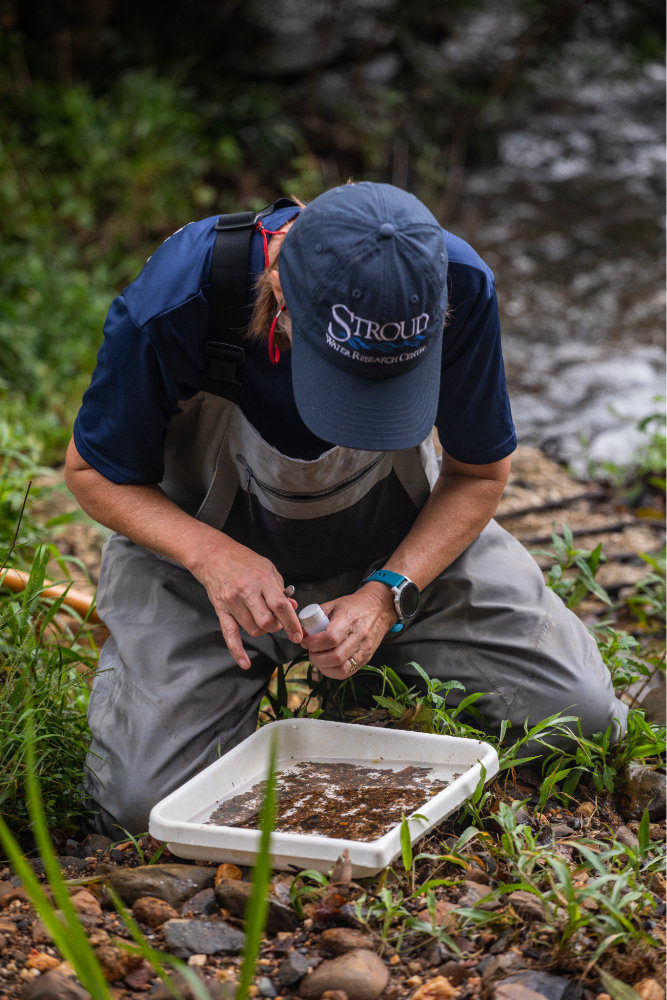
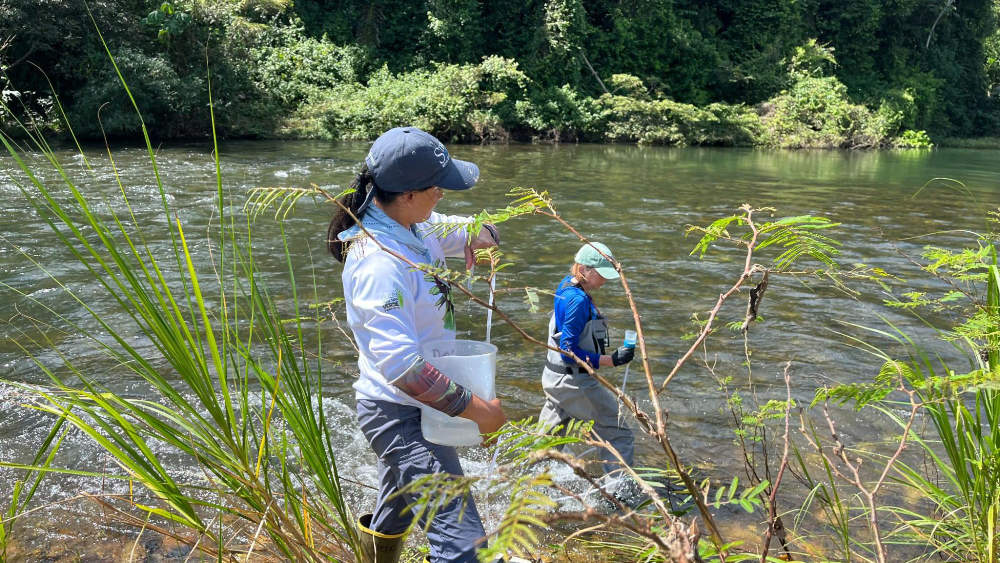
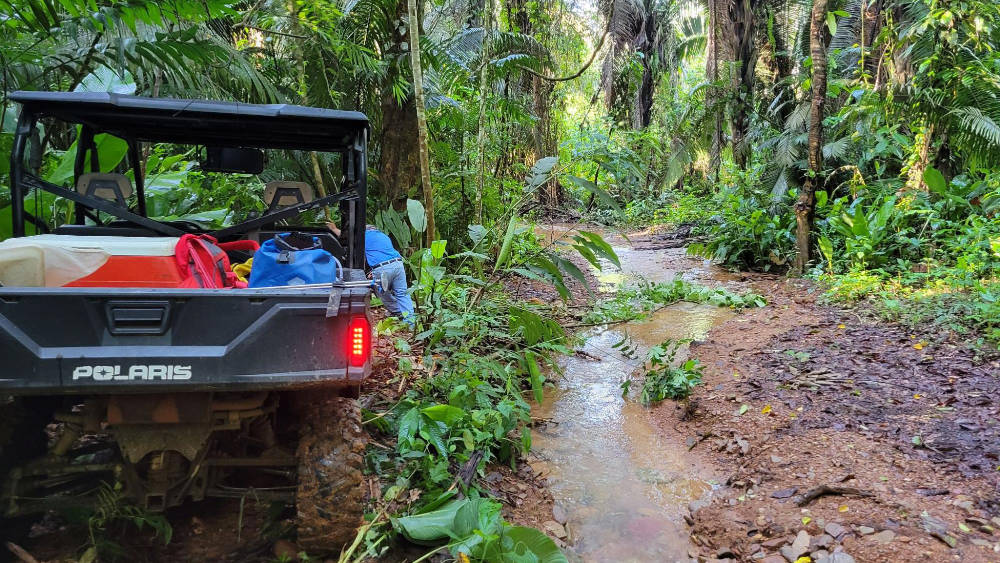
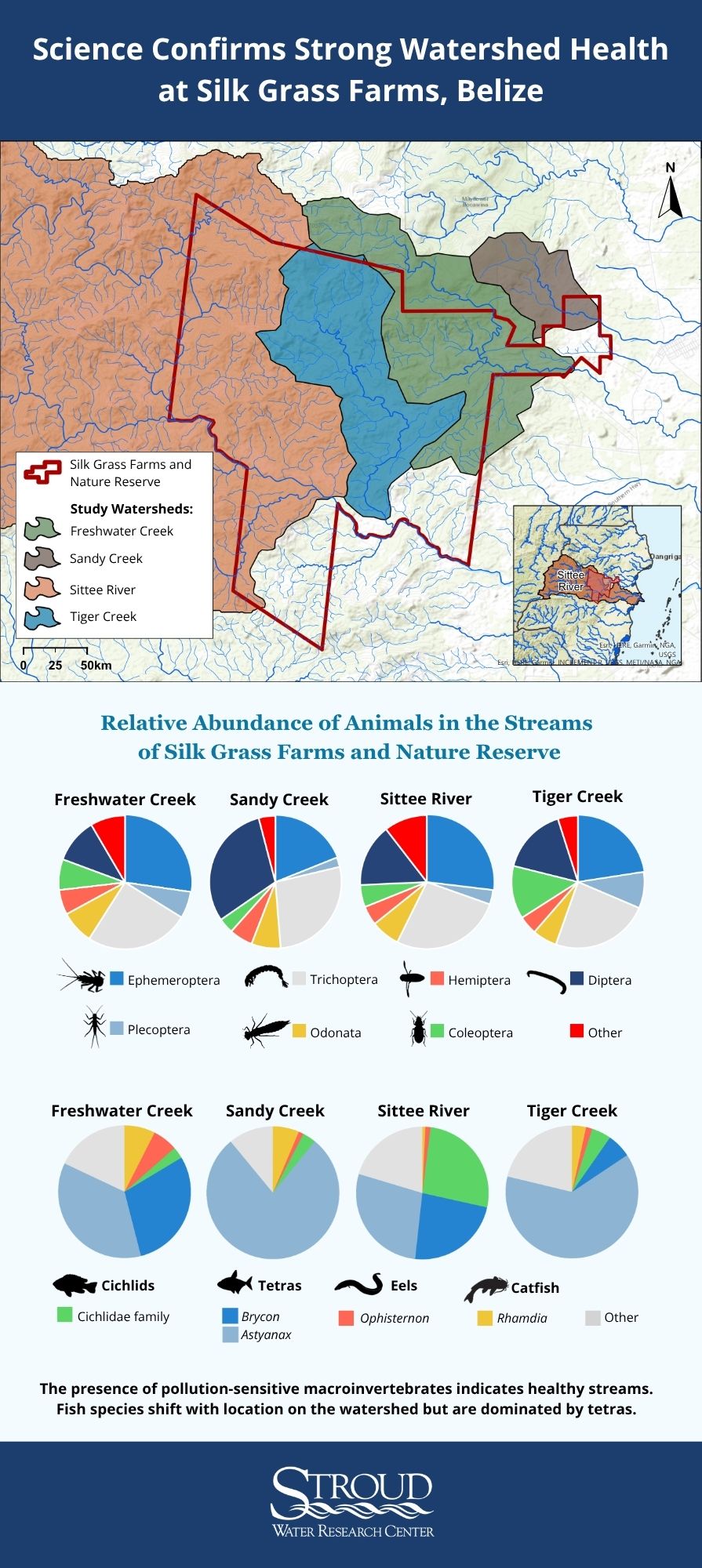
Over multiple field trips spanning wet and dry seasons, scientists assessed multiple watersheds across the Silk Grass Farms and Silk Grass Nature Reserve properties. The team collected data on water chemistry, aquatic habitat, microbial communities, fish, and aquatic macroinvertebrates that serve as important indicators of freshwater ecosystem health.
A Remarkable Diversity of Life
The assessment revealed a rich and diverse aquatic community.
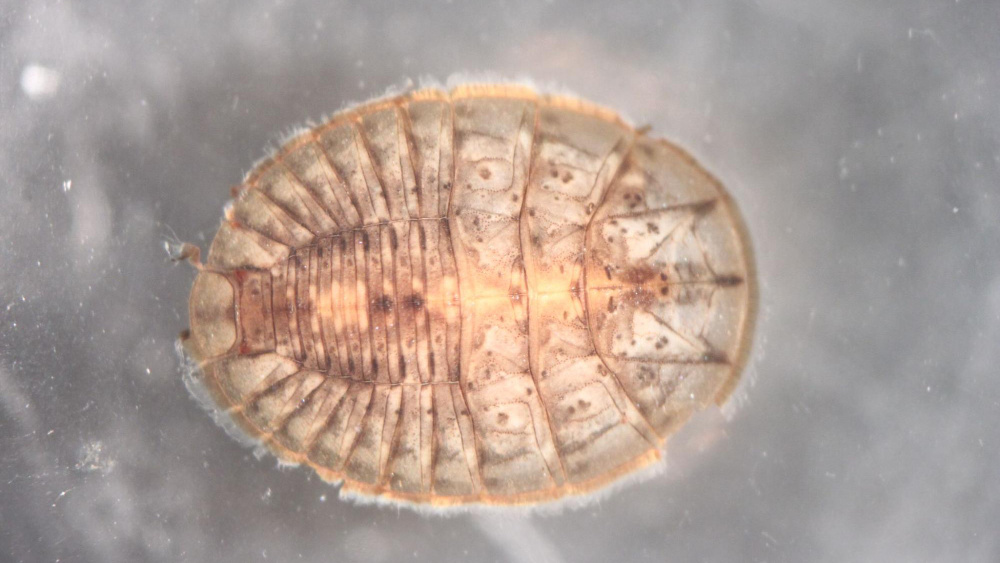
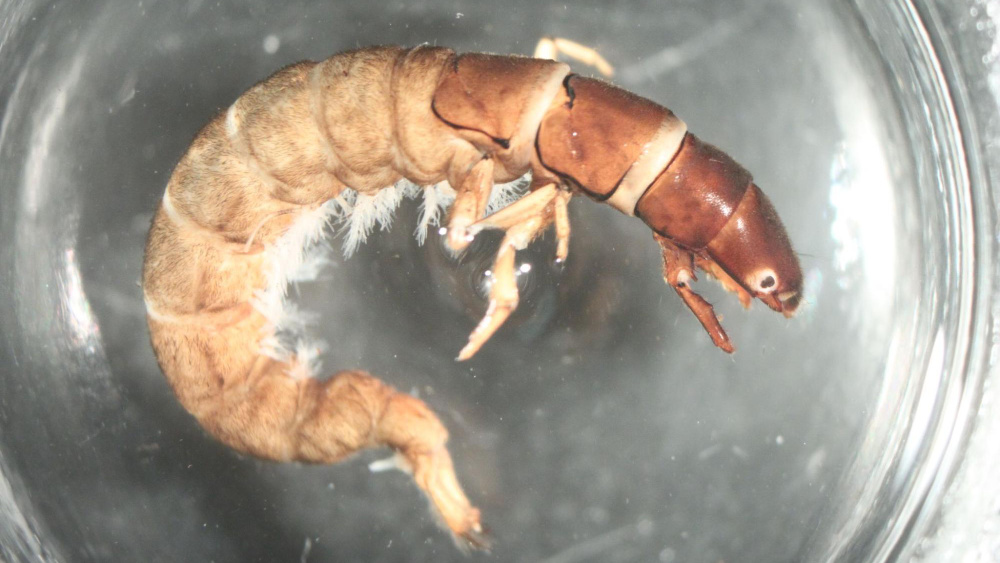
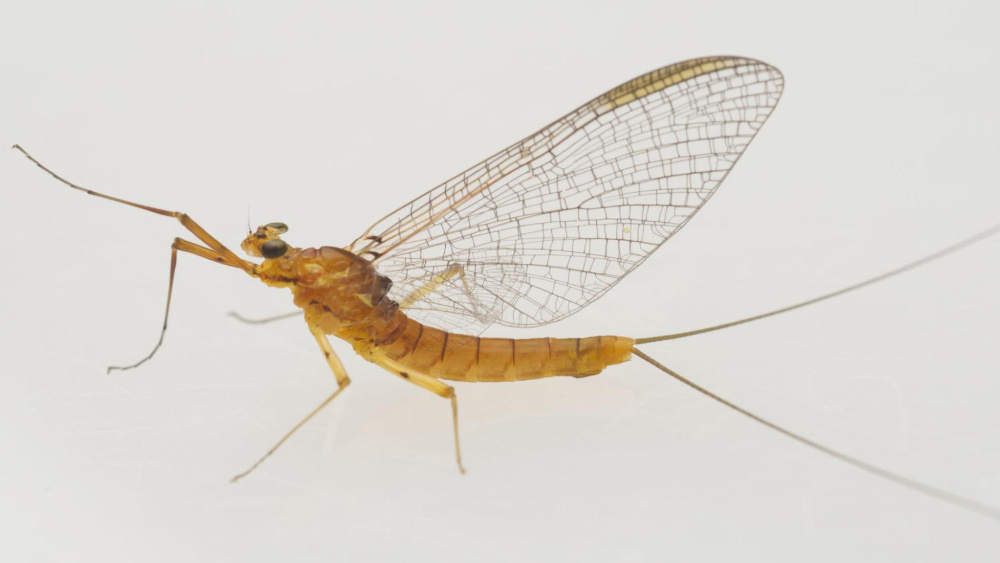
Researchers documented approximately 300 aquatic macroinvertebrate species, making the survey one of the most comprehensive efforts of its kind in Belize. DNA analysis produced 132 genetic barcode records, or unique DNA reference sequences used to identify species, that were previously absent from scientific databases. Nearly all of the documented macroinvertebrate species found using DNA analysis represented first records in Belize.
These findings underscore both the ecological value of the region and how much remains to be learned about Belize’s freshwater biodiversity.
For freshwater scientists, aquatic macroinvertebrates are among the most reliable indicators of ecosystem health. Many species are highly sensitive to pollution and habitat disturbance, making their presence a strong signal that streams are functioning well.
The abundance and diversity of aquatic life observed throughout the study area suggest that the watersheds support healthy ecological communities capable of sustaining a wide range of species.
Looking Beyond What We Can See
The study also examined microbial communities, which play a critical role in nutrient cycling, water quality, and ecosystem function.
Researchers observed differences in microbial communities between wet and dry seasons, reflecting natural shifts in hydrology and environmental conditions. These seasonal changes provide valuable insight into how tropical freshwater ecosystems function throughout the year and demonstrate the importance of studying watersheds across multiple seasons.
By documenting microbial communities alongside aquatic insects, fish, habitat conditions, and water chemistry, researchers were able to develop a more complete picture of ecosystem health than would be possible through any single measure alone.
Evidence of Effective Stewardship
A key objective of the assessment was to understand whether Silk Grass Farms’ agricultural activities were affecting nearby waterways.
To answer that question, researchers compared sites upstream and downstream of farm operations.
The results found no significant evidence that nutrient levels in streams were being elevated by farming activities.
Excess nutrients are among the leading causes of freshwater degradation worldwide, often contributing to algal blooms, oxygen depletion, and declines in aquatic biodiversity. The minor nutrient impacts suggest that current land management practices are helping protect freshwater resources while supporting agricultural production.
Building a Baseline for the Future
While the report offers a detailed snapshot of current conditions, its long-term value may be even greater.
The assessment establishes a comprehensive ecological baseline against which future changes can be measured. Because researchers documented biological communities during both wet and dry seasons, future monitoring efforts will be better equipped to distinguish natural seasonal variation from changes driven by land use, climate, or other environmental pressures.
As environmental conditions evolve over coming decades, scientists will be able to revisit these watersheds and compare current and future observations findings.
Advancing Freshwater Science in Belize
The significance of the project extends beyond the boundaries of the study area.
Tropical freshwater ecosystems remain relatively understudied, particularly when it comes to aquatic macroinvertebrates and microbial communities. The breadth of data generated through this assessment contributes valuable new knowledge to the scientific understanding of freshwater biodiversity in Belize and in the neotropics in general.
For the Stroud Center, the project demonstrates how freshwater science can help landowners and agricultural producers measure environmental outcomes and make informed decisions that benefit both people and ecosystems.
For Silk Grass Farms, the findings provide scientific validation of ongoing stewardship efforts and a roadmap for maintaining healthy watersheds into the future.
Most importantly, the partnership demonstrates the value of measuring what matters. By combining long-term stewardship with rigorous scientific assessment, Silk Grass Farms and the Stroud Center have created a foundation for protecting freshwater resources for generations to come.
By the Numbers: Environmental Assessment of Silk Grass Farms and Silk Grass Nature Reserve
- 5 watersheds assessed
- 21 stream sites sampled
- 37 species of freshwater fish have been identified
- Approximately 300 aquatic macroinvertebrate species have been documented
- 132 new DNA records used to identify macroinvertebrate species have been added to scientific databases
- Wet- and dry-season sampling completed
- No significant evidence of nutrient pollution linked to farm operations
Your gift is an investment in programs that protect our world’s freshwater sources upon which life depends. Support science today for water tomorrow.