An Intern’s Journey Into Freshwater Science
By Abigail Duimering
Dipping My Toes Into Freshwater Science
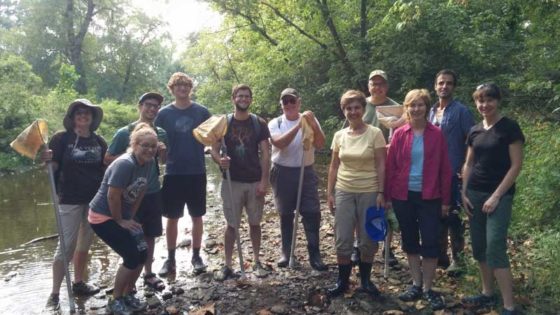
Over the past year, I have had the unique opportunity to be an intern at Stroud Water Research Center, working in three different research groups: entomology, ecosystem ecology, and microbiology. Each group approaches freshwater science from a different perspective using unique methods, specimens, and tools.
One of the best parts about how the Stroud Center functions is that all these scientists are in the same space sharing ideas, collaborating on research, and focusing on how their knowledge and skill sets can be used to protect and restore streams.
My work spanned from scrubbing rocks for insects to extracting microbial DNA from soil samples, and somewhere in the middle, I learned how interconnected our ecosystems really are.
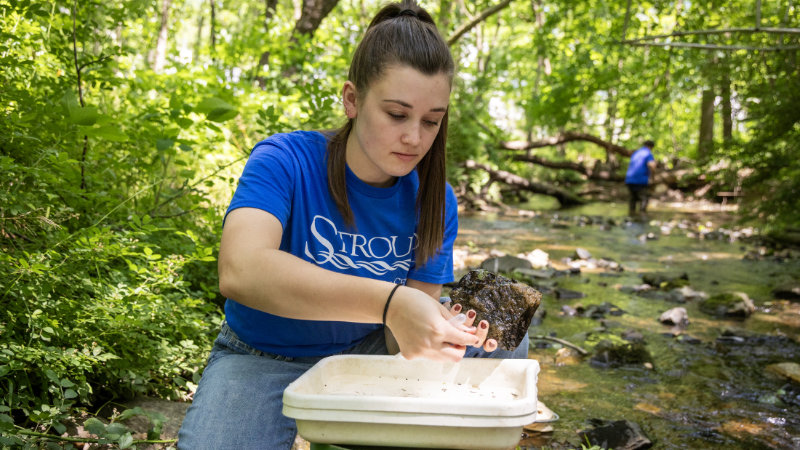
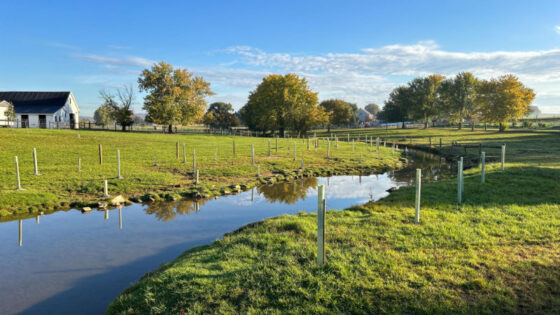
While much of the research being done at the Stroud Center focuses directly on streams, our watersheds include much more than the water and streambed. Watersheds include all the land surrounding streams, over which rainfall, snowmelt, or runoff travels before flowing into the stream. The way this land is used influences stream health.
One of the largest land use categories is agriculture, covering 39% of U.S. land. Fresh water and farming are deeply interconnected, and in turn, farming practices and food production are inextricably linked to the health of America’s streams, half of which are impaired.

Research on Growing More Nutritious Food
One of the most interesting projects I worked on was in the Microbiology Group, where I joined the ongoing research on ergothioneine (EGT), an amino acid humans can’t produce and must obtain through diet.
EGT is particularly compelling because of its anti-inflammatory and antioxidant properties, as well as its potential role in reducing the risk of Alzheimer’s disease and cardiovascular conditions.
The project brought together researchers and farmers from Dickinson College, Rodale Institute, U.S. Department of Agriculture, University of Delaware, West Virginia University, Pennsylvania State University, North Carolina State University, Iowa State University, and the Quinn Institute in Montana.
Each provided a different perspective: some focused on how farming practices could increase EGT concentration in crops, some on how EGT is taken up and stored by plants, and others examined what microorganisms were associated with higher concentrations of EGT. Together, we aimed to better understand how EGT is produced in soils, taken up by crops, and can be harnessed for human health.
My role was to perform DNA extractions from soils, a process that enabled us to examine the detailed microbial compositions and the levels of key EGT genes in the soils. The samples I used came from multiple farming systems, including conventional, organic, no-till, and cover cropping.
It’s meticulous, detail-oriented work, and every extraction brought us a step closer to answering a bigger question: Researchers are seeking to understand how the different farming systems influence soil health and many other factors.
Sharing Knowledge Leads to New Questions
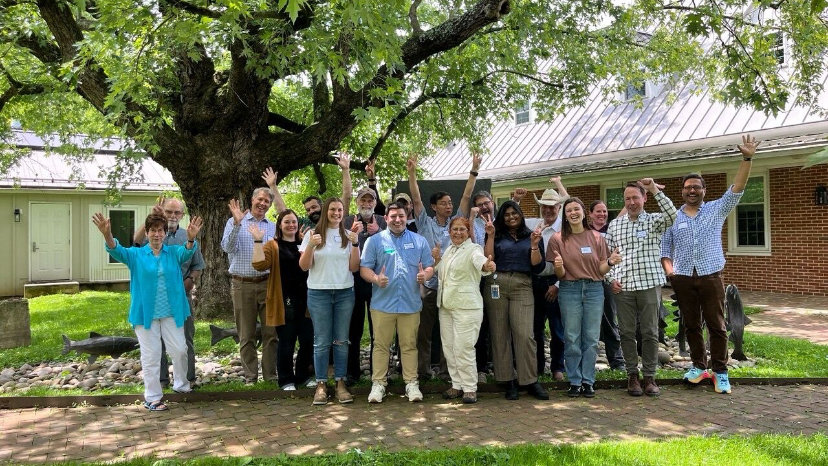
In June, the Microbiology Group hosted collaborators on the project at the Stroud Center. People traveled from different states and farms to share research updates, data, and raise new questions.
During the meeting, I learned that soil fungi such as arbuscular mycorrhizal fungi (AMF) and other bacteria groups such as Actinobacteria play roles in EGT synthesis and uptake in plants. They also influence the impact of tillage and mushroom compost on AMF, which in turn affects EGT concentrations.
We also discussed how the concentration of EGT depended on wheat variety. We split into groups and brainstormed new directions, defined knowledge gaps, and finished the session by taping our lists of new research questions on the wall. Every moment was a clear reminder of how soil, plants, and microbes are interconnected.
Hearing from all the scientists who came together to study the same amino acid was inspiring. It reminded me that big discoveries aren’t made in isolation. They are the result of many people, each with their own expertise.
Teamwork Makes the Dream Work
Over the course of my time at the Stroud Center, I learned many things: how to identify aquatic insects, how to extract chlorophyll, and how to amplify DNA sequences. But my biggest takeaway from moving between the different research groups: science is not a solo endeavor.
The Stroud Center introduced me to the collaborative, interdisciplinary nature of science. Each person I worked with — whether studying mayflies, algae, microbes, or EGT — was working toward a shared goal: understanding and protecting our environment.
Stroud Water Research Center produces the trusted science needed for successful stream and river conservation while fostering people’s passion for the water in their lives. With your help, we can sustain our research, education, and watershed restoration in Pennsylvania and around the world. Donate today.