
Salt-Pollution Snapshot Map
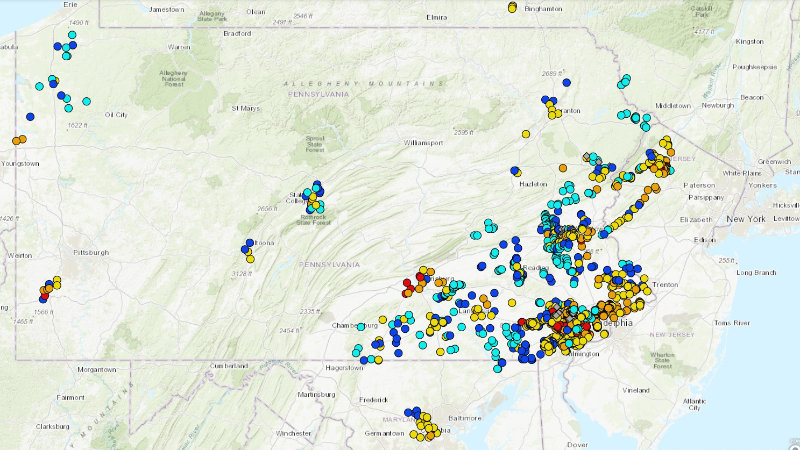
Stroud Water Research Center coordinates salt snapshots as part of a multistate effort to tell the story of road salt pollution. Findings highlight salt concentrations across various sites, provide valuable insights into the scope of salt pollution, and will guide future action.
Road Salt Is Polluting Fresh Water
Salt keeps us safe on icy roads — but it’s also quietly harming waterways. Every winter, millions of tons of salt are spread on roads, sidewalks, and driveways to combat snow and ice.
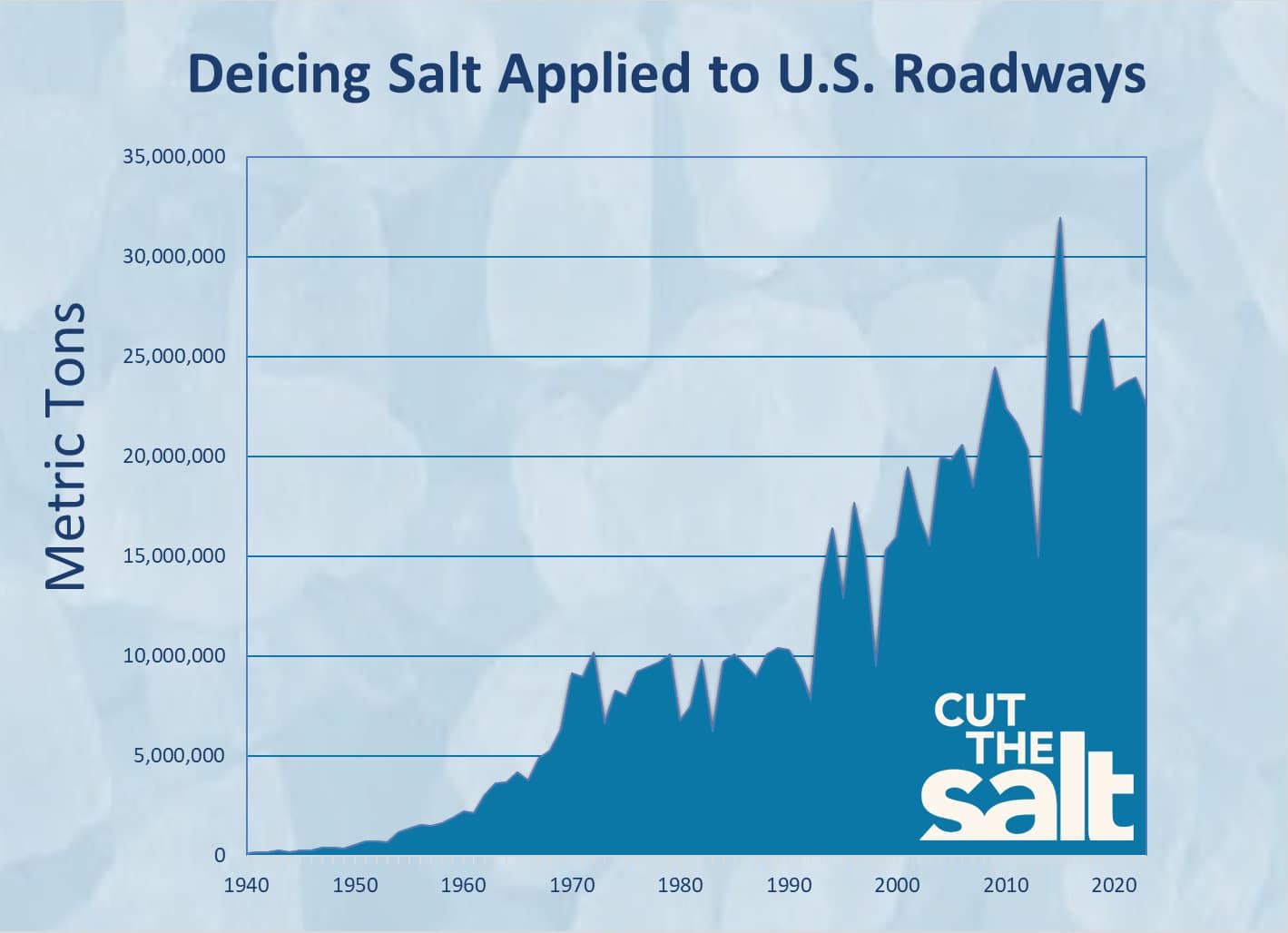
While it’s effective at reducing slippery conditions, the consequences for freshwater ecosystems, infrastructure, and drinking water are profound, especially as winter salt use has risen dramatically over the past 50 years.
Why Is Winter Salt an Issue?
The Impact on Freshwater Ecosystems
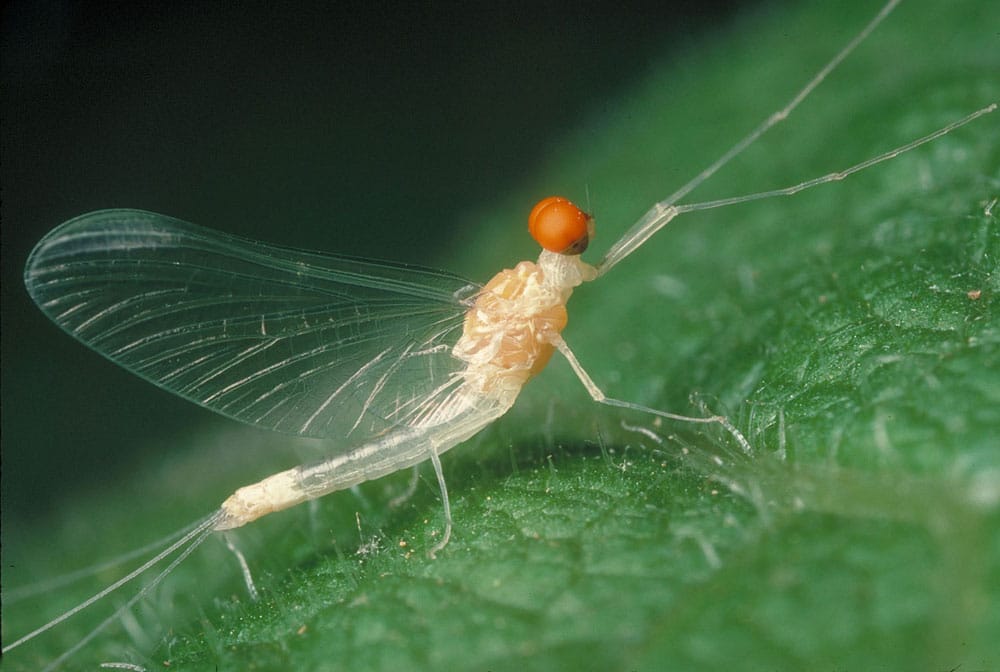
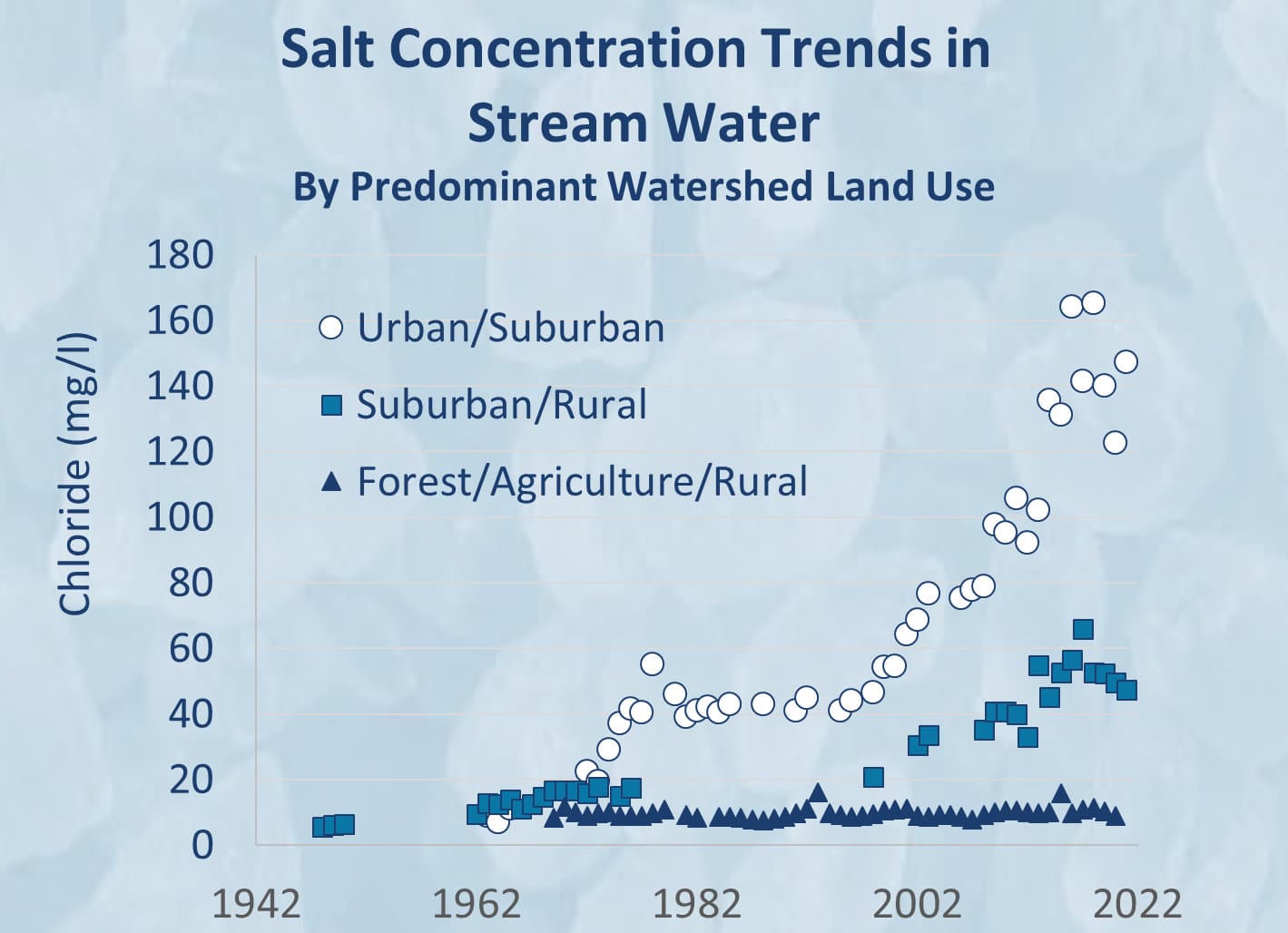
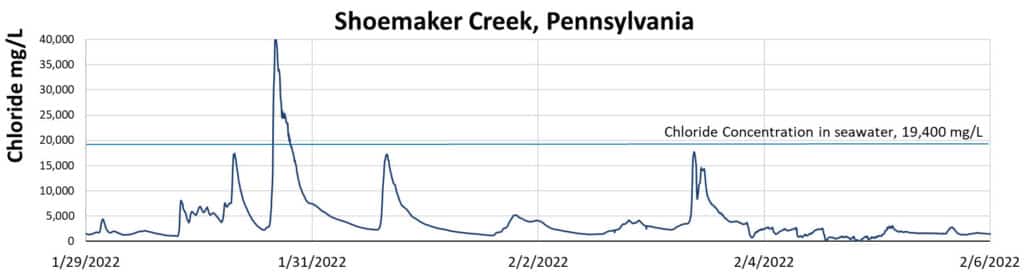
Winter salt runoff harms aquatic life, turning sections of some streams as salty as the ocean (see Figure 3). When salt levels rise in freshwater ecosystems, sensitive species, like mayflies and amphibians, can disappear. Even the chloride levels recommended by the U.S. Environmental Protection Agency (EPA) may not be enough to protect these vital species.
Salt and Drinking Water
Salt also infiltrates groundwater and rivers, which supply most drinking water. Once contaminated, it’s costly and difficult to remove.
Water treatment facilities struggle to filter out salt, and advanced systems like reverse osmosis are expensive to install and maintain.
Protecting shared water sources is critical for both the environment and public health.
How Bad Is It? Rising Salt Levels in Fresh Water
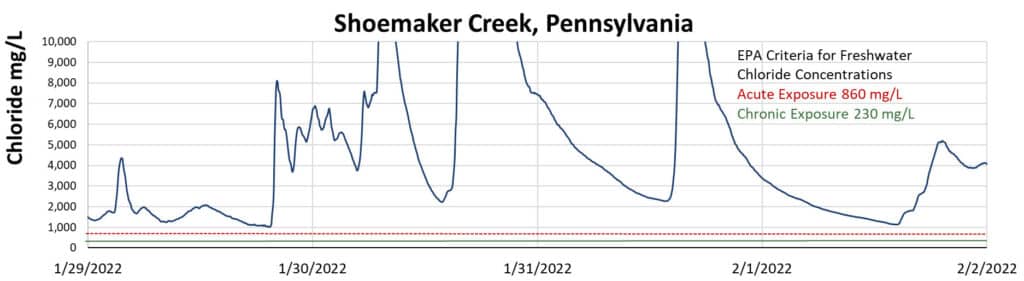
Since 2016, Stroud Water Research Center has led efforts to monitor salt contamination, collaborating with hundreds of community scientists and volunteers. By measuring chloride and specific conductivity — key indicators of salt pollution — the Stroud Center and partners such as the Tookany-Tacony/Frankford Watershed Partnership have documented alarming levels of contamination in streams like Shoemaker Creek, Pennsylvania, which often exceed EPA safety thresholds (see Figure 4).
Data collected by community scientists and volunteers indicate an alarming trend: salt concentrations in many, if not most, streams remain elevated year-round — even in summer. Worse yet, research from the Stroud Center shows that salt becomes more toxic to aquatic life as temperatures rise.
These findings highlight the urgent need to address the overuse of winter salt.
How You Can Help
By implementing best practices and new technologies, we can reduce salt use by 30 to 50 percent.

Take Action
Want to make a difference? Spread the word to help protect fresh water from salt contamination.
The “5 Ways to Cut the Salt” message is available in several formats for individuals and organizations to share with HOAs, local businesses, social networks, and more. Thanks for helping the Stroud Center spread the word!
Download and Share
Want to do more? Learn how Carol Armstrong, Ph.D., a community science volunteer, reached out to local businesses and local and state agencies to address documented cases of improperly stored road salt, which can pollute nearby streams. She also convinced her township to start an environmental advisory council, offering to share what she’s learned.
Join an Event
Winter salt events will be listed here as they are scheduled.
Road Salt News
The Next Frontiers of Freshwater Science

Road salt impacts on soil properties and permanent nitrogen removal capacity of freshwater urban wetlands
Freshwater salinization syndrome is degrading streamwater quality in the National Capital Region national parks, USA
What the Fall Salt Snapshot Revealed About Our Groundwater
“Cut the Salt” Campaign Wins Anthem Award for Social Impact
Beyond the Snow

Stay in Touch
Subscribe to our e-news for winter salt updates, tips for protecting waterways, and opportunities to support freshwater research and watershed restoration.
Support Science That Leads to Solutions
Stroud Water Research Center produces the trusted science needed for successful stream and river conservation. Your donation of any amount supports this crucial work.