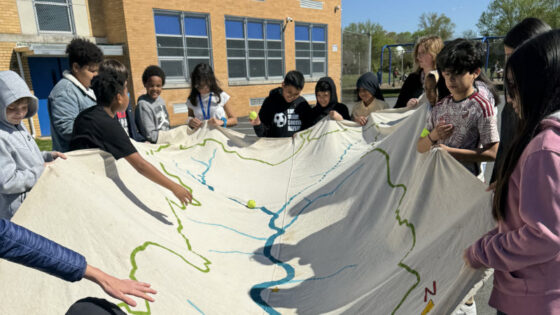
We’re serving Hot Science Summer energy with muddy boots, tropical watersheds, curious campers, stream fish, pickup basketball, and a whole lot of freshwater science. Browse some of our favorite moments from a season spent researching, restoring, teaching, and exploring.
Freshwater Challenges in Costa Rica
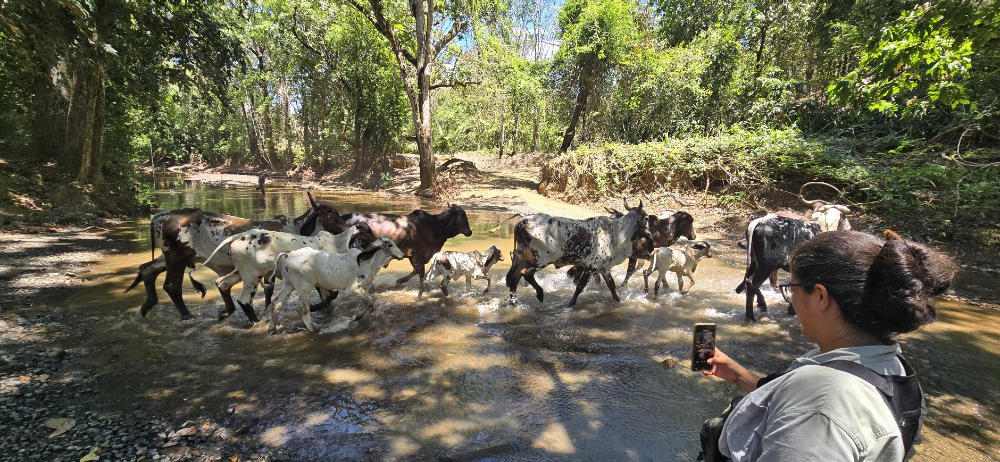
During a recent visit to Costa Rica’s Nicoya Peninsula, Stroud Center staff saw a herd of cattle crossing a stream. When livestock have unrestricted stream access, it can contribute to water pollution and streambank erosion. Staff were visiting local partner CIRENAS and saw firsthand the freshwater challenges facing a region experiencing rapid coastal development and growing pressure on its water resources. The visit preceded community science workshops in Belize and is part of the Stroud Center’s broader effort to help communities build the knowledge and tools needed to protect fresh water.
Biological Assessments in the Mid-Atlantic, U.S.
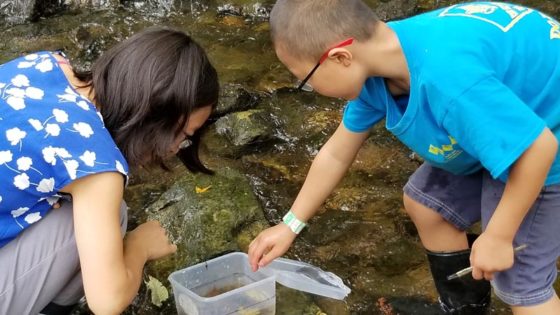
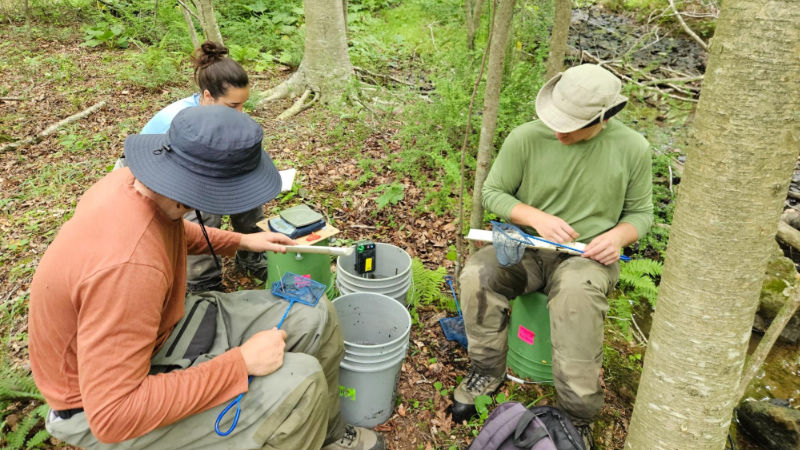
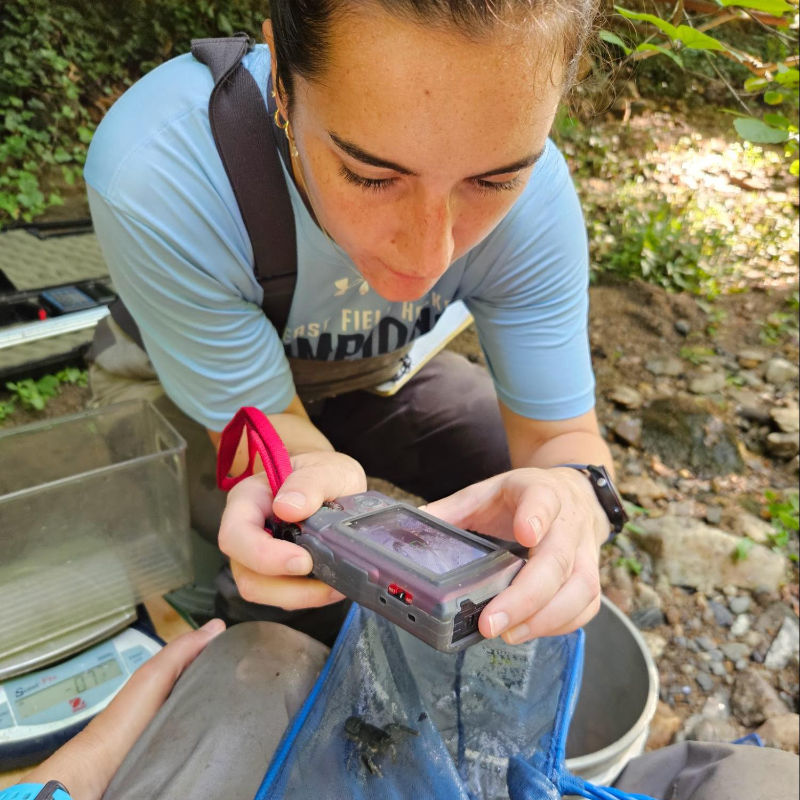
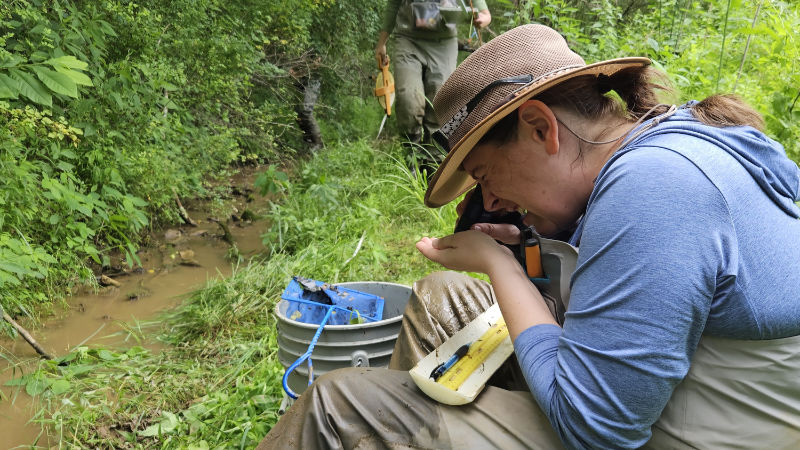
Stroud Center researchers from across disciplines work together in the field to conduct biological assessments of rivers and streams around the mid-Atlantic region. Quantitative assessments of macroinvertebrates require careful planning, collection of stream material, and organization in the field.
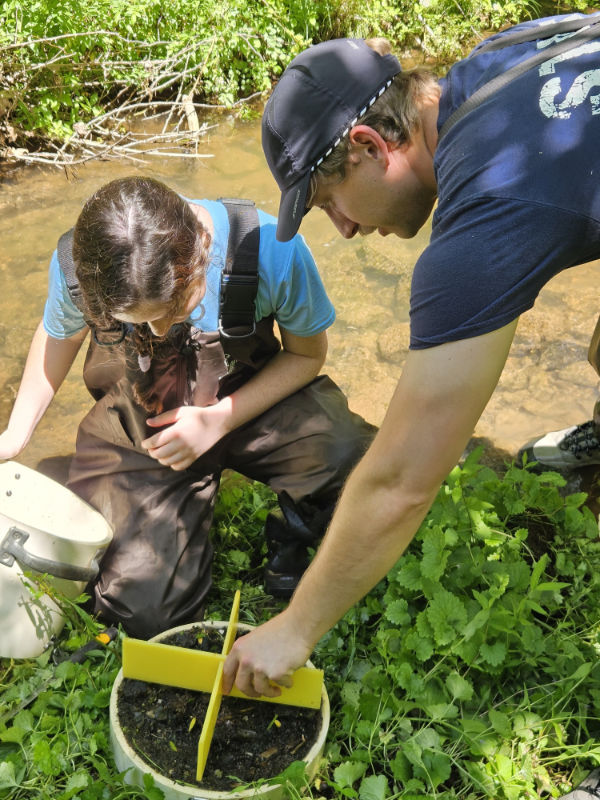
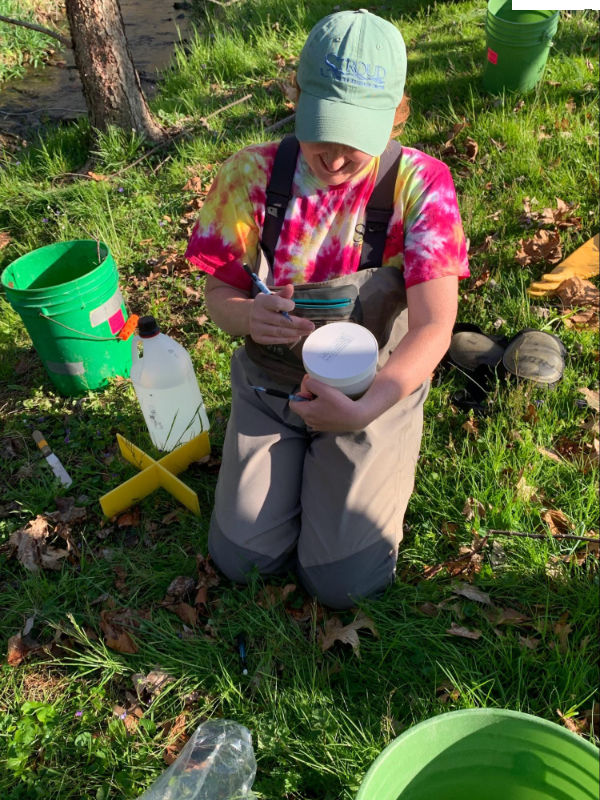
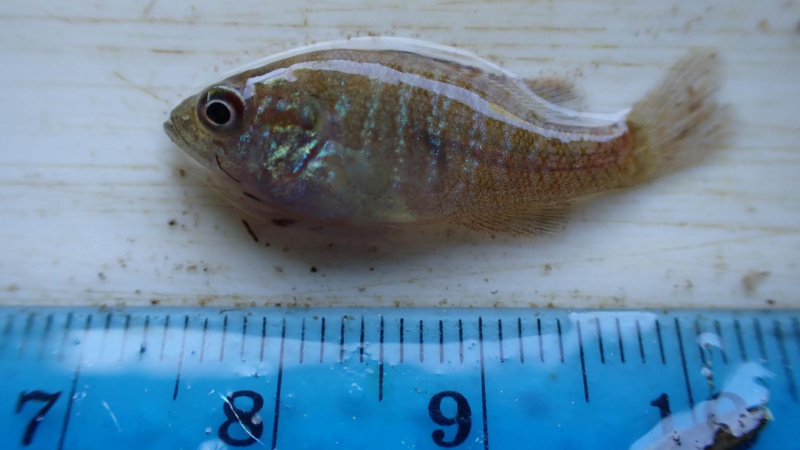
Some sampling trips require only macroinvertebrate and chemical analyses. Electrofishing is conducted when researchers need to measure the number, diversity, and size of fish in a certain stream section. Electrofishing proceeds slowly and carefully to ensure every fish is located and collected.
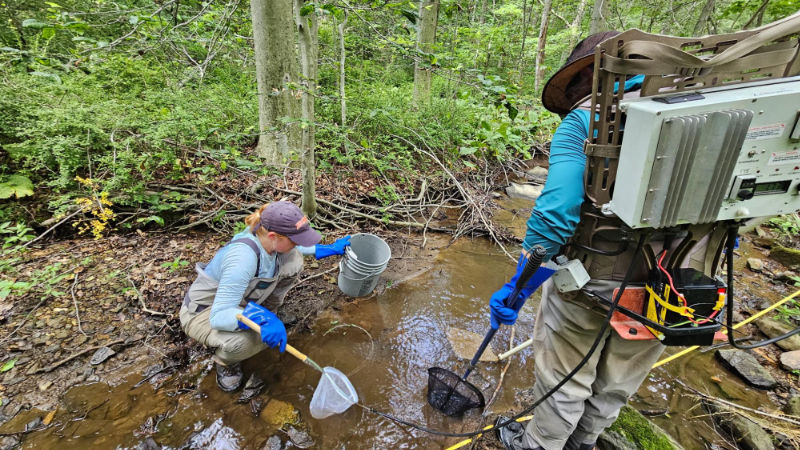
Once collected, the fish are carefully identified, photographed, weighed, and then restored to their original location. The team works quickly to minimize stress on the animals. It’s common for summer schedules to vary, as teams work around heat waves, storms, and unsafe air quality.
Science Never Retires
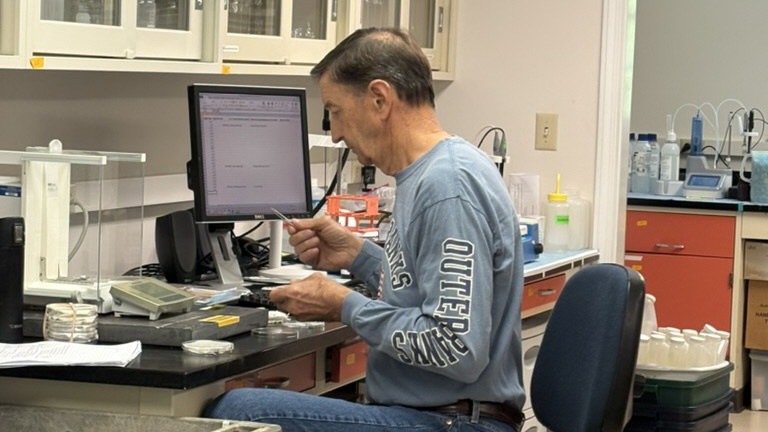
Weighing aquatic insects collected during his travels, Distinguished Research Scientist Emeritus and former Executive Director Bern Sweeney, Ph.D., continues to contribute to freshwater science nearly a decade after retiring in 2017. For scientists driven by curiosity, the work of discovery is never truly finished.
Exploring White Clay Creek at Summer Camp
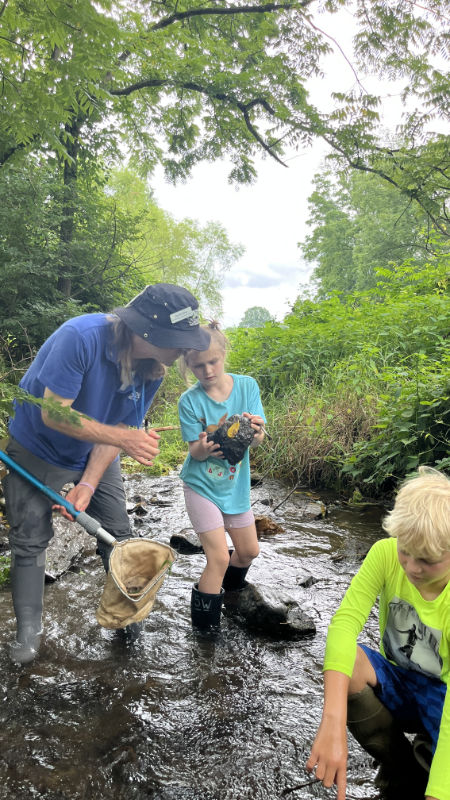
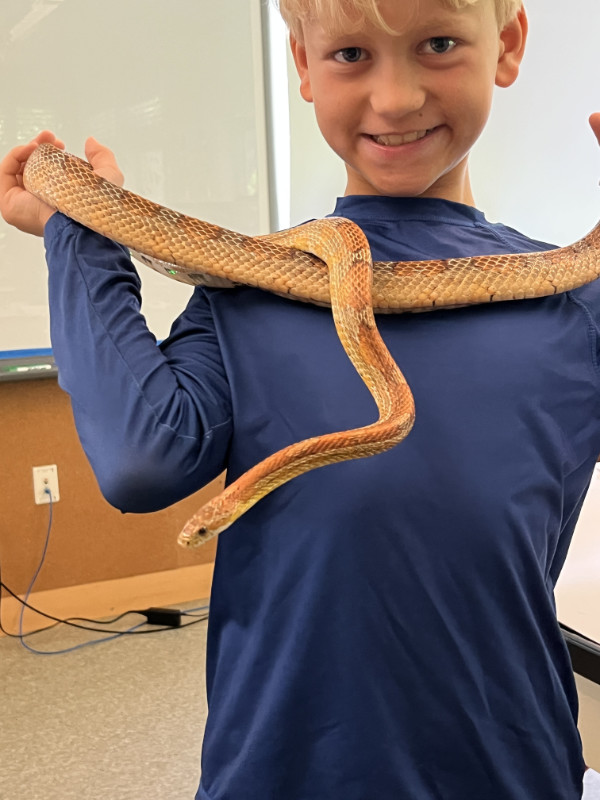
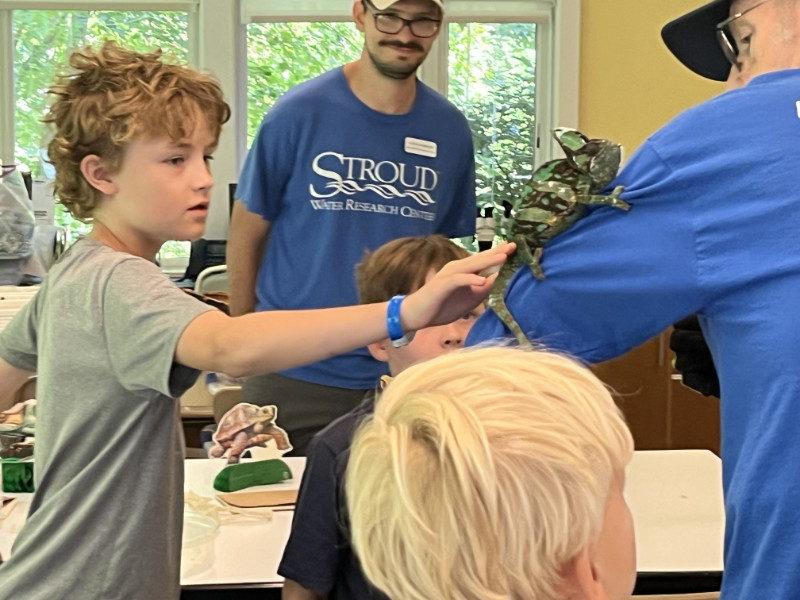
This summer, the Stroud Center education team reintroduced a weeklong full-day summer camp. Campers spent time outdoors in White Clay Creek and on the trails around the Stroud Center’s Avondale, Pennsylvania, campus. Macroinvertebrate collection was a highlight, although Reptile and Amphibian Day had many fans!
David Kline and Steve Mohapp, both watershed education specialists, helped campers catch and identify the aquatic life they collected. Part-time educator Vince O’Donnell treated campers to a day with some of his personal collection of snakes, frogs, and even a chameleon.
Reinforcing Collaboration With the University of Delaware
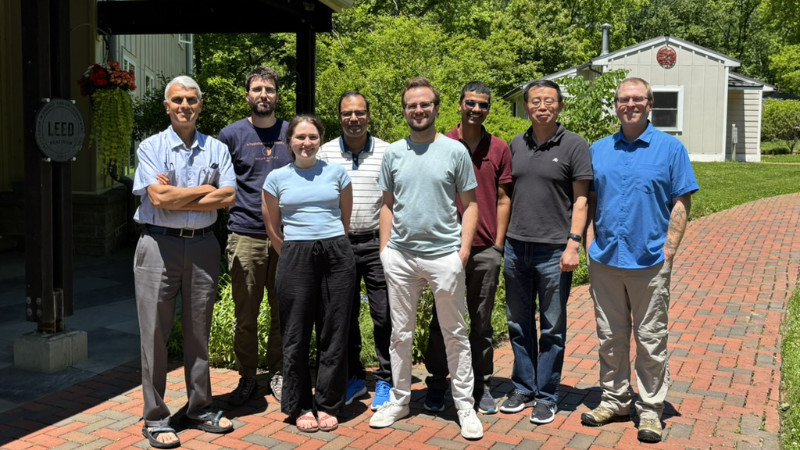
Scientists from the University of Delaware’s College of Agriculture and Natural Resources Plant and Soil Sciences Department visit the Stroud Center four times a year as part of a collaboration since 2011. The interdisciplinary team conducts research and publishes three to five scientific papers each year. During their visits, they identify what research questions they’ll aim to answer next in the areas of soil health, agricultural productivity, water resources, and microbial ecology.
Sharing Science on Farming Practices
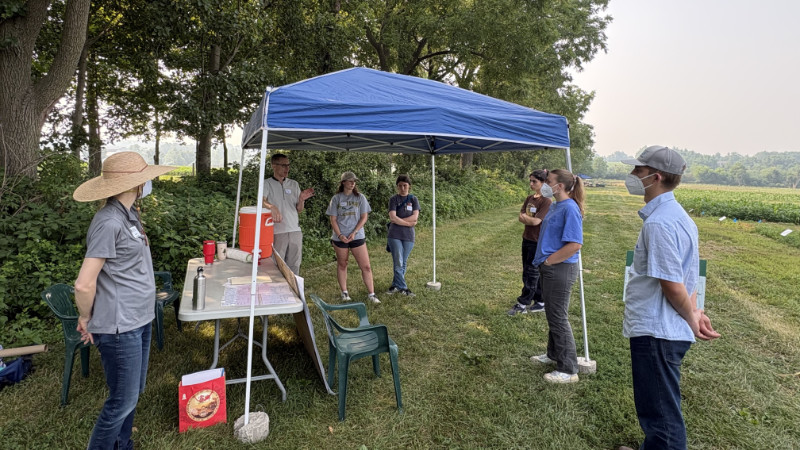
Researchers from the Stroud Center, Rodale Institute, and the University of Georgia connected with farmers during Rodale Institute’s Organic Field Day on July 17 in Kutztown, Pennsylvania. The event brings visitors from across the country to learn about organic farming practices and the latest agricultural research. Through a long-running partnership, the Stroud Center and Rodale Institute study how farming practices influence water quality and soil health.
Despite hot temperatures and smoky conditions from Canadian wildfires, the team welcomed many thoughtful conversations with farmers committed to protecting both land and water.
Supporting a Greenway Project in Lancaster County, Pa.
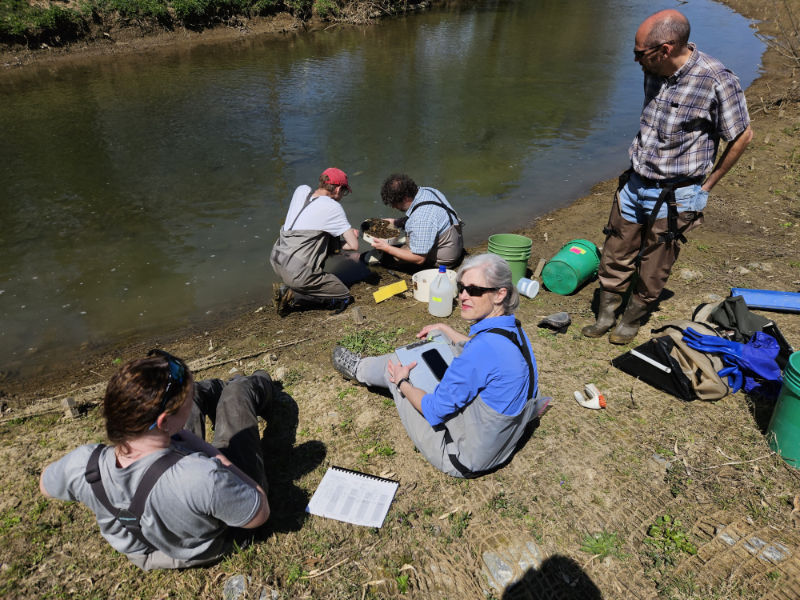
Franklin & Marshall College students and faculty joined Stroud Center researchers to collect aquatic macroinvertebrate samples from Little Conestoga Creek during a collaborative project, led by F&M, supporting the creation of a greenway in Lancaster County, Pennsylvania. Stroud Center staff provided training, supplies, and support for the project.
Historic Cabin Restoration Begins
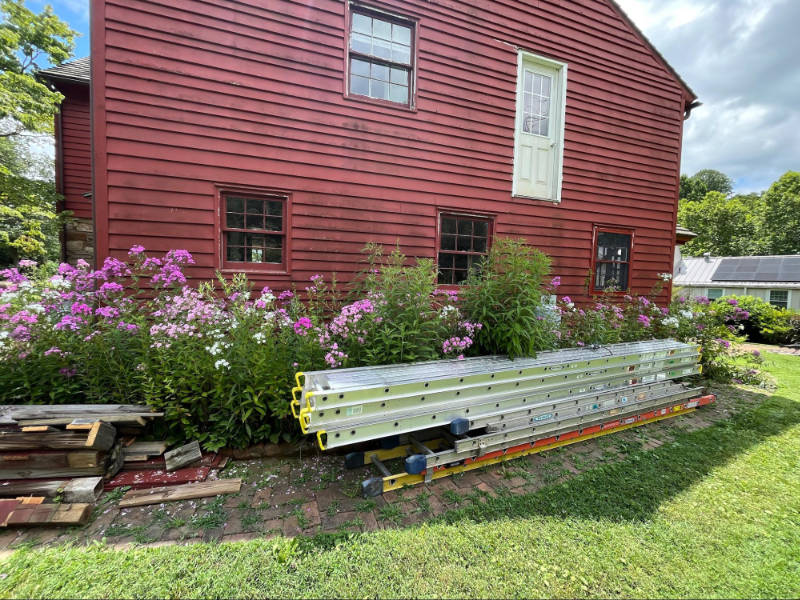
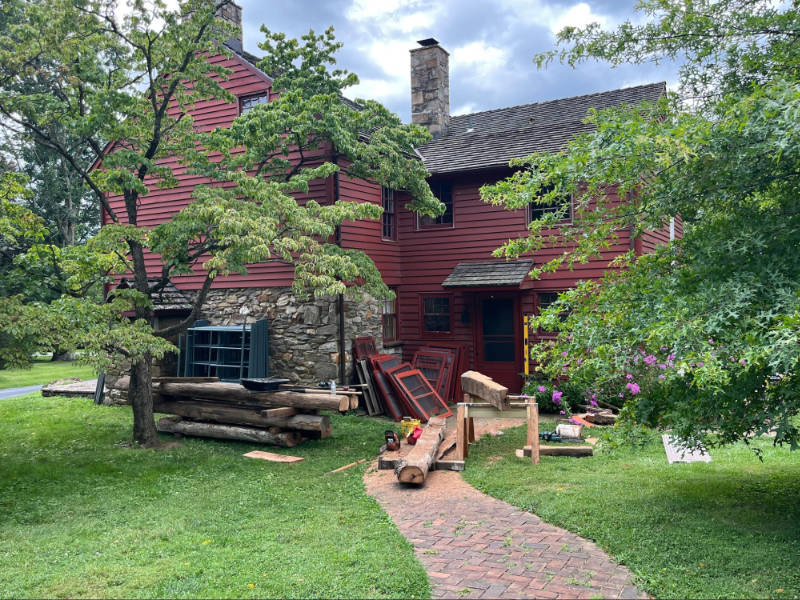
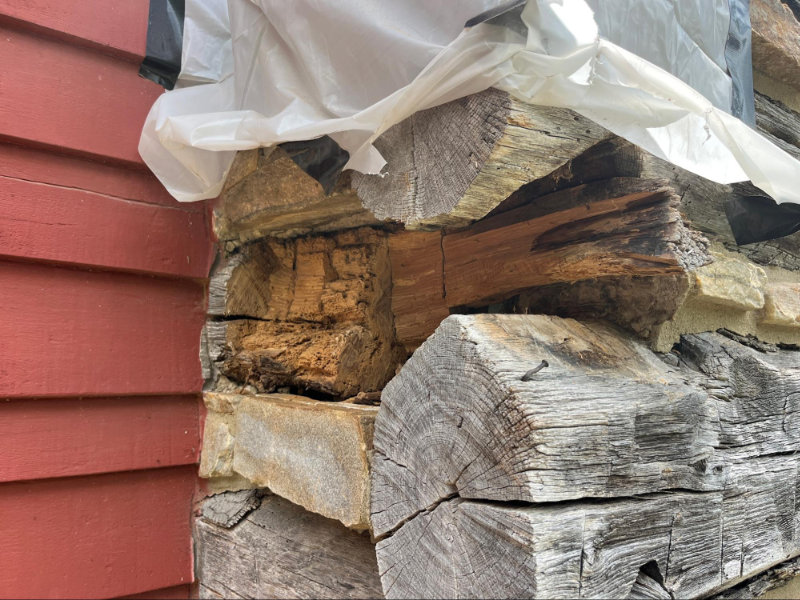
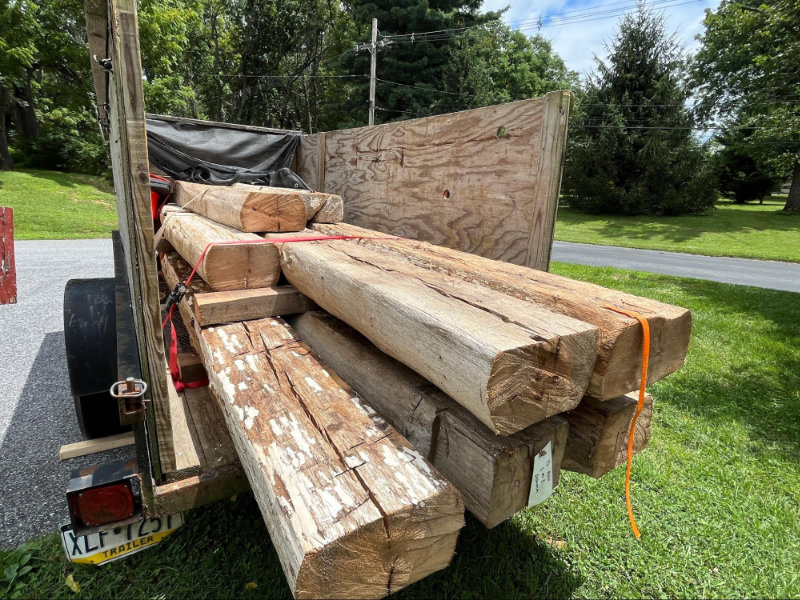
This summer, the Stroud Center’s historic cabin is undergoing critically important restoration. Dry rot in the timbers is being addressed. After careful excavation of the beams, the team from R&B Restoration Carpentry Inc. will repair or replace the wood with historically appropriate lumber, or fill with long-lasting epoxy where warranted.
When complete, the cabin will once again house visiting scientists to collaborate on Stroud Center research, or provide low- or no-cost housing for interns. The restoration of the Stroud Center’s historic cabin is not merely a preservation effort — it is a vital investment in the future of environmental research and education.
Entomology’s Research Pays Off on the Court Against the Horn-ets
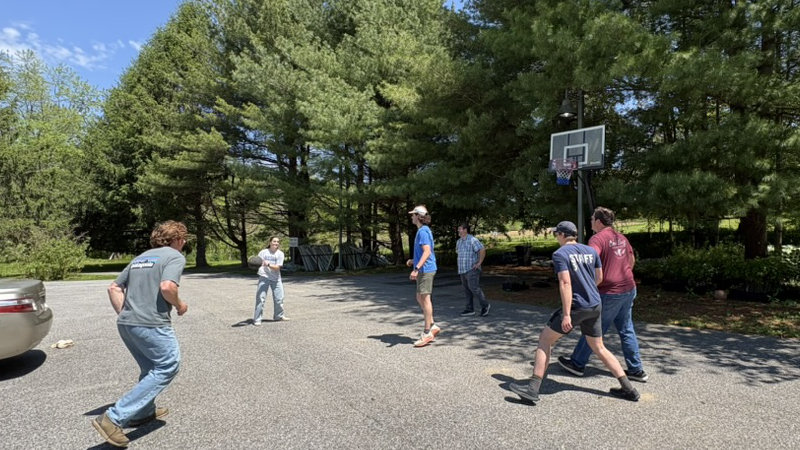
A regular Wednesday lunchtime basketball game — with rotating players who include researchers, scientists, analysts, and interns — is a welcome break from long days in the lab, field, or office.